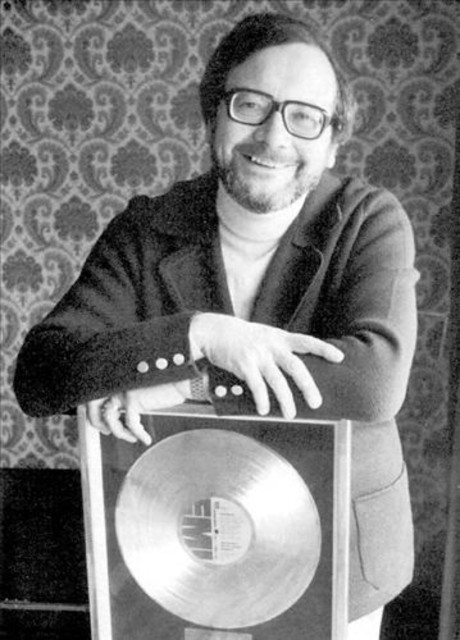
Ron Goodwin

Classical
Classical Crossover
Orchestral
 Viberate Rank: 121108
 Viberate Rank: 121108
 Monthly ListenersFollowers
 Subscribers
 Followers
 Followers
 FansTop Spotify Songs
| Track | 7-Day Streams | |
|---|---|---|
1 | 8.62K | |
2 | 7.63K | |
3 | 6.19K | |
4 | 5.64K | |
5 | 4.20K |
Top YouTube VideosMonthly ListenersFeatured in Playlists| Playlist | Followers | |
|---|---|---|
1 |  Iconic Soundtracks Spotify | 1.37M |
2 |  Spongebob background music Romeoreyes | 144.06K |
3 |  The Crown Official Playlist Spotify | 38.55K |
4 |  Kinderserien Intros Lara Herzog | 28.34K |
5 | SpongeBob Background Music JDL | 27.90K |
Audience| City | Monthly Listeners | |
|---|---|---|
1 | | 2.58K |
2 |  | 1.35K |
3 | | 1.18K |
4 | | 1.01K |
5 | | 986 |
See full performance history, audience data, playlist activity, rankings, comparisons, and more in Viberate music analytics. Start with a free trial, then continue with a paid plan.
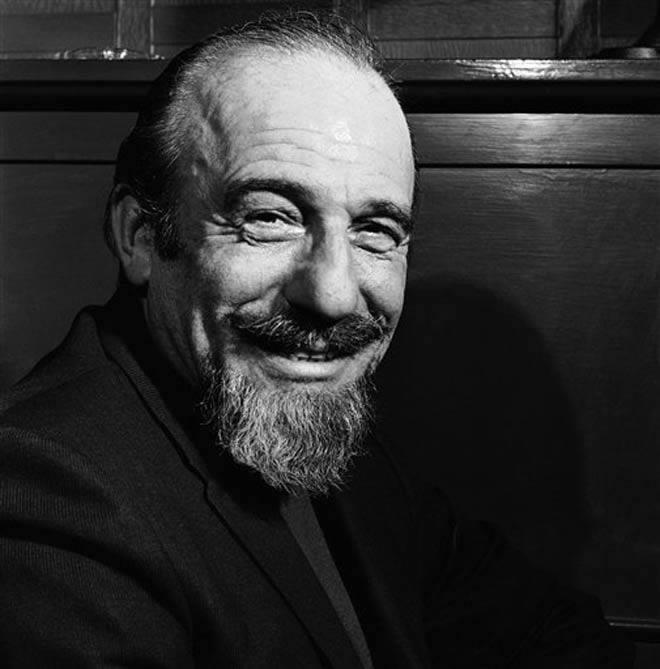
Ron Goodwin’s Spotify BioRon Goodwin may not have an easily recognizable name today, but his music is known to many. Goodwin began his career as a trumpeter, and then served as a music copyist, arranger, and finally conductor for radio shows in the 1950s. He worked with Peter Sellers on Parlophone recordings that contained segments from the comic actor's popular radio program The Goon Show. Goodwin formed his own orchestra and used it for recordings, as well as for accompanying singers, like Petula Clark, and presenting concert fare to the public. But Goodwin gained international notice when he began composing film scores for some of the best-known movies of the 1960s and '70s. Among them are Village of the Damned (1960), 633 Squadron (1963), Those Magnificent Men and Their Flying Machines (1965), Alfred Hitchcock's Frenzy (1972), and Force 10 from Navarone (1978). In all, he wrote over 60 film scores and also managed to compose a significant body of orchestral concert music, including the 1957 Skiffling… Strings (Swinging Sweethearts), Drake 400 Suite, and New Zealand, from 1980 and 1983, respectively. Recordings of several of Goodwin's film scores are still popular, and the finely crafted pair, Drake 400 and New Zealand, stand a chance of gaining a foothold in the repertory.
Ron Goodwin was born in Plymouth, England, on February 17, 1925. He took piano lessons from the age of five and later took up the trumpet. He studied trumpet, orchestration, and composition at the Guildhall School of Music in London, but much of his musicality was self-taught. After working as a copyist and arranger for several music publishing companies in England, Goodwin began conducting, eventually forming his own orchestra. His collaborations on the Peter Sellers' recordings garnered him notice and he began composing scores for documentary films. His first feature-length effort was for the 1958 film Whirlpool. After Village of the Damned, he produced the score for the 1962 science fiction classic Day of the Triffids.
There followed a string of mostly memorable scores, among them Lancelot and Guinevere (1963), Of Human Bondage (1964), Operation Crossbow (1965), Where Eagles Dare (1969), and The Selfish Giant (1971). In the 1980s Goodwin devoted less time to film scores and turned to writing more serious works, like the aforementioned Drake 400 and New Zealand. Goodwin, despite being plagued by asthma throughout life, remained active to the end, dying suddenly on January 8, 2003.
Viberate is a music analytics platform built for A&Rs, artist managers, labels, booking agents, marketers, and artists.
It helps music professionals track artist growth, analyze audience data, monitor playlist activity, compare artists, follow song performance, and identify opportunities across the music market.
Public artist pages provide a free preview of selected artist data. Paid plans provide access to deeper analytics, historical data, charts, comparisons, playlist tools, exports, alerts, reports, and additional professional features.
Yes. Public Viberate artist pages provide selected artist analytics and music data for free.
Viberate also offers a 7-day free trial of the full platform. A credit card is required to start the trial. The trial includes access to the complete product so users can test deeper artist analytics, historical views, playlist insights, comparisons, charts, exports, alerts, and reporting features before choosing a paid plan.
Viberate provides artist analytics across streaming, playlists, social media, video, radio airplay, songs, and audience markets.
Users can analyze Spotify performance, Spotify and Apple Music playlists, YouTube activity, TikTok and Instagram growth, radio spins, song performance, audience locations, demographics, rankings, and overall artist momentum.
Artist profiles also connect to music charts, similar artists, and comparison tools, helping users benchmark performance and evaluate artists in context.
Viberate updates key artist and track data daily.
For followed artists and tracks, selected data is refreshed multiple times per day. This helps teams monitor playlist changes, streaming movement, audience growth, releases, and campaign performance with more current data.
Update frequency can vary depending on the metric and data source.
Yes. Viberate lets users compare up to five artists side by side across streaming, social media, audience, and engagement metrics.
Users can compare fanbase growth, audience demographics, locations, Spotify performance, social metrics, and other artist data over selected time periods.
Artist comparison can be used for A&R scouting, benchmarking, booking decisions, campaign planning, and evaluating artists with similar audiences or market positions.