Romina Basso

Classical
Opera
 Viberate Rank: 564839
 Viberate Rank: 564839
 Monthly ListenersFollowers
 Subscribers
 Followers
 Followers
 FansTop Spotify Songs
| Track | 7-Day Streams | |
|---|---|---|
1 | 261 | |
2 | 53 | |
3 | 52 | |
4 | 45 | |
5 | 39 |
Top YouTube VideosMonthly ListenersFeatured in Playlists| Playlist | Followers | |
|---|---|---|
1 | Dünya'nın en iyi klasik müzik çalma listesi Bora Çağlar Şimşek | 10.17K |
2 | Happy Classical Rebecca Noelle | 7.89K |
3 | Barockmusik Moritz Proell | 5.92K |
4 | Mediterranean Flavor Marc Armitano Domingo | 3.58K |
5 |  Barok Müzik - Baroque Music The Dayi | 2.29K |
Audience| City | Monthly Listeners | |
|---|---|---|
1 |  | 50 |
2 |  | 48 |
3 |  | 41 |
4 |  | 33 |
5 |  | 29 |
See full performance history, audience data, playlist activity, rankings, comparisons, and more in Viberate music analytics. Start with a free trial, then continue with a paid plan.
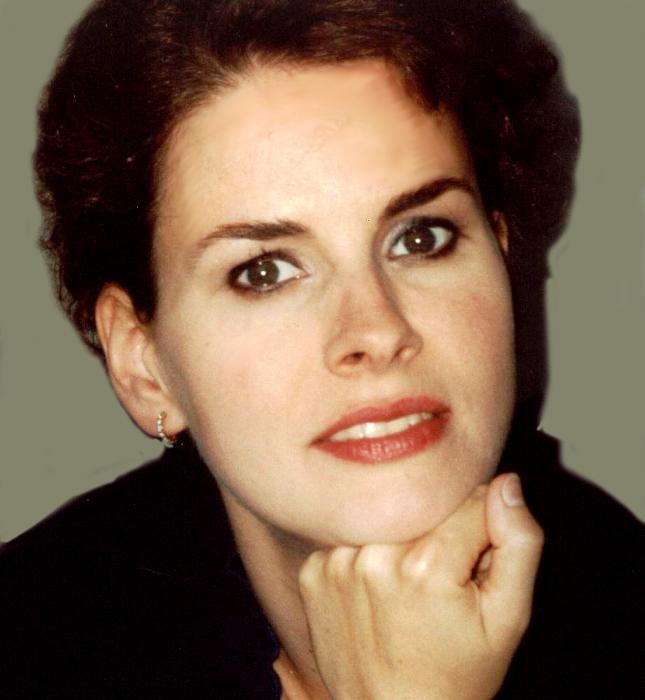
Romina Basso’s Spotify BioItalian mezzo-soprano Romina Basso is a specialist in Baroque opera, especially known for her performances of Vivaldi. She attended the Conservatorio Benedetto Marcello in Venice, and earned a degree in Italian literature at Trieste University before launching her vocal career. She participated in several competitions, notably the Palma d'Oro, the Associazione Lirica Concertistica Italiana, Modena Musica, and Operalia Placido Domingo, among others. Basso has performed with major early music ensembles, including Le Concert des Nations, the Ricercar Consort, Europa Galante, Les Arts Florissants, the Venice Baroque Orchestra, the Orchestra of the Age of Enlightenment, the King's Consort, and Modo Antiquo, and she has sung in concerts with modern orchestras, such as the Royal Concertgebouw Orchestra, the Munich Radio Orchestra, the Vienna Radio Symphony Orchestra, and the Orchestra dell'Accademia Nazionale di Santa Cecilia. She has collaborated with many conductors, including William… Christie, Peter Maag, Jordi Savall, Frans Brüggen, Rinaldo Alessandrini, Fabio Biondi, Emmanuelle Haïm, Marc Minkowski, Laurence Cummings, Andrea Marcon, Ottavio Dantone, and Paul McCreesh. Basso's recordings have been released by Naïve, Deutsche Grammophon, Deutsche Harmonia Mundi, and EMI.
Viberate is a music analytics platform built for A&Rs, artist managers, labels, booking agents, marketers, and artists.
It helps music professionals track artist growth, analyze audience data, monitor playlist activity, compare artists, follow song performance, and identify opportunities across the music market.
Public artist pages provide a free preview of selected artist data. Paid plans provide access to deeper analytics, historical data, charts, comparisons, playlist tools, exports, alerts, reports, and additional professional features.
Yes. Public Viberate artist pages provide selected artist analytics and music data for free.
Viberate also offers a 7-day free trial of the full platform. A credit card is required to start the trial. The trial includes access to the complete product so users can test deeper artist analytics, historical views, playlist insights, comparisons, charts, exports, alerts, and reporting features before choosing a paid plan.
Viberate provides artist analytics across streaming, playlists, social media, video, radio airplay, songs, and audience markets.
Users can analyze Spotify performance, Spotify and Apple Music playlists, YouTube activity, TikTok and Instagram growth, radio spins, song performance, audience locations, demographics, rankings, and overall artist momentum.
Artist profiles also connect to music charts, similar artists, and comparison tools, helping users benchmark performance and evaluate artists in context.
Viberate updates key artist and track data daily.
For followed artists and tracks, selected data is refreshed multiple times per day. This helps teams monitor playlist changes, streaming movement, audience growth, releases, and campaign performance with more current data.
Update frequency can vary depending on the metric and data source.
Yes. Viberate lets users compare up to five artists side by side across streaming, social media, audience, and engagement metrics.
Users can compare fanbase growth, audience demographics, locations, Spotify performance, social metrics, and other artist data over selected time periods.
Artist comparison can be used for A&R scouting, benchmarking, booking decisions, campaign planning, and evaluating artists with similar audiences or market positions.