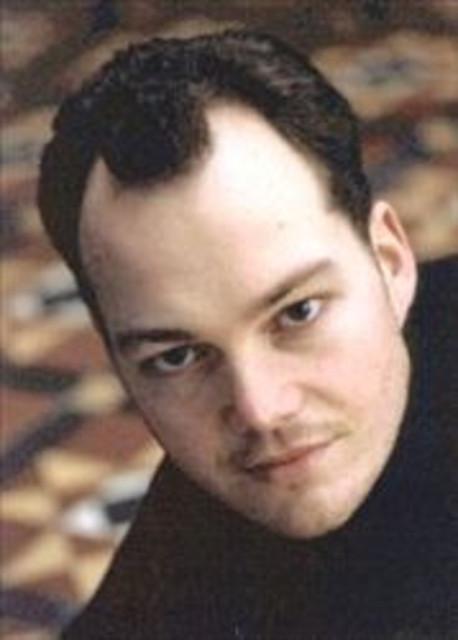
Roderick Williams

Classical
Opera
Choral
 Viberate Rank: 260036
 Viberate Rank: 260036
 Monthly ListenersFollowers
 Subscribers
 Followers
 Followers
 FansTop Spotify SongsTop YouTube VideosMonthly ListenersFeatured in Playlists
| Playlist | Followers | |
|---|---|---|
1 |  This Is Brahms Spotify | 132.63K |
2 |  This Is Stravinsky Spotify | 45.98K |
3 |  This is Vaughan Williams Spotify | 26.84K |
4 |  somewhere in northern italy Natalie Nguyen | 17.05K |
5 |  Sad,very sad, classical music Peer Wijntjes | 12.85K |
Audience| City | Monthly Listeners | |
|---|---|---|
1 | | 988 |
2 |  | 274 |
3 | | 222 |
4 |  | 205 |
5 |  | 171 |
See full performance history, audience data, playlist activity, rankings, comparisons, and more in Viberate music analytics. Start with a free trial, then continue with a paid plan.
Roderick Williams’ Spotify BioBaritone Roderick Williams began to establish his operatic career in the mid-'90s. A Mozart specialist at first, he has developed a varied repertory and has also written a substantial body of music for chorus and piano.
Williams was born in 1965 in London. His father was of Welsh background, his mother Jamaican. He attended Oxford University as a choral scholar and then took a job as a music teacher. It was not until he was 28 that he began to study operatic singing full-time at the Guildhall School of Music in London. While a student there, he made his debut in Benjamin Britten's The Rape of Lucretia as Tarquinius, and he has continued to sing several major Britten roles regularly. Major prizes in the early '90s -- a top prize at the Great Grimsby International Singing Competition in 1992, a second prize in the 1994 Kathleen Ferrier Competition, and others -- put him on the map, and he began to land major roles, at first, especially in northern Britain. He sang the Count in Mozart's Le… nozze di Figaro at Opera North in Leeds in 1998 and sang a series of roles, from Mozart to Puccini, at the Scottish Opera. Williams' international debut came in Israel, in Massenet's Werther, in 1998. He has since appeared in many international houses, often in concert performances of operas. He has been a fixture at the Proms concerts since the mid-'90s. In 2002, Williams made his recording debut with mezzo-soprano Sarah Connolly on Voices: Volume 1, a collection of songs by Schoenberg, on the Black Box Classics label.
Williams is an accomplished recitalist, and his own choral compositions have been performed at the Barbican, Wigmore Hall, the Purcell Room, and other prestigious British venues. In 2016, he became the president of the venerable Three Choirs Festival Society, and the following year, he was appointed an Officer of the Order of the British Empire. In 2020, he became president of the Thames Concerts series in London. Williams has a large catalog of recordings on Naxos, Champs Hill, Signum, and other labels; in the year 2017 alone, he appeared on seven separate recordings and on six in 2021. The year 2022 saw Williams release Mirages: The Art of French Song with accompanist Roger Vignoles on the Champs Hill label, and he appeared on the fourth and final volume of a series on the Albion label devoted to the folk song settings of Ralph Vaughan Williams. By that time, he had issued some 60 recordings on which he was a featured artist, and he had credits on many others. ~ James Manheim, Rovi
Viberate is a music analytics platform built for A&Rs, artist managers, labels, booking agents, marketers, and artists.
It helps music professionals track artist growth, analyze audience data, monitor playlist activity, compare artists, follow song performance, and identify opportunities across the music market.
Public artist pages provide a free preview of selected artist data. Paid plans provide access to deeper analytics, historical data, charts, comparisons, playlist tools, exports, alerts, reports, and additional professional features.
Yes. Public Viberate artist pages provide selected artist analytics and music data for free.
Viberate also offers a 7-day free trial of the full platform. A credit card is required to start the trial. The trial includes access to the complete product so users can test deeper artist analytics, historical views, playlist insights, comparisons, charts, exports, alerts, and reporting features before choosing a paid plan.
Viberate provides artist analytics across streaming, playlists, social media, video, radio airplay, songs, and audience markets.
Users can analyze Spotify performance, Spotify and Apple Music playlists, YouTube activity, TikTok and Instagram growth, radio spins, song performance, audience locations, demographics, rankings, and overall artist momentum.
Artist profiles also connect to music charts, similar artists, and comparison tools, helping users benchmark performance and evaluate artists in context.
Viberate updates key artist and track data daily.
For followed artists and tracks, selected data is refreshed multiple times per day. This helps teams monitor playlist changes, streaming movement, audience growth, releases, and campaign performance with more current data.
Update frequency can vary depending on the metric and data source.
Yes. Viberate lets users compare up to five artists side by side across streaming, social media, audience, and engagement metrics.
Users can compare fanbase growth, audience demographics, locations, Spotify performance, social metrics, and other artist data over selected time periods.
Artist comparison can be used for A&R scouting, benchmarking, booking decisions, campaign planning, and evaluating artists with similar audiences or market positions.