Ivor Gurney

Classical
Choral
 Viberate Rank: 615644
 Viberate Rank: 615644
 Monthly ListenersFollowers
 Subscribers
 Followers
 Followers
 FansTop Spotify SongsTop YouTube VideosMonthly ListenersFeatured in Playlists
| Playlist | Followers | |
|---|---|---|
1 | Organ Music davidjamesmurray | 7.94K |
2 |  Tenebrae Choir coldaladodesc | 3.54K |
3 |  Underrated classical music Lo.re | 1.96K |
4 | 🎶 My Accapella Favorites Alyssa | 1.95K |
5 |  Best of British: Selections from BBC Radio 3 Breakfast BBC Music Playlists | 1.87K |
Audience| City | Monthly Listeners | |
|---|---|---|
1 | | 152 |
2 |  | 29 |
3 |  | 21 |
4 |  | 21 |
5 | | 21 |
See full performance history, audience data, playlist activity, rankings, comparisons, and more in Viberate music analytics. Start with a free trial, then continue with a paid plan.
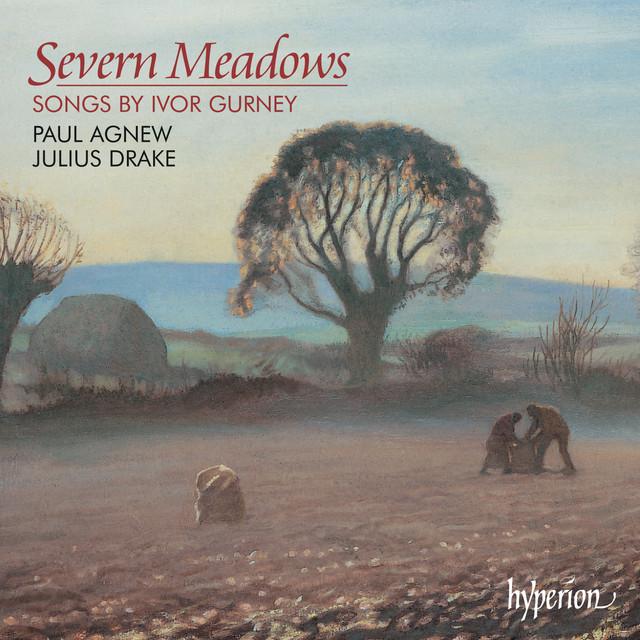
Ivor Gurney’s Spotify BioThat Ivor Gurney was a victim of World War I, although he lived nearly two decades beyond the war's conclusion, was a fiction generated by the press releases that appeared at his death. Gurney actually suffered from bipolar disorder. His condition was not worsened by the War, but rather by the pressures that he encountered after his service of trying to succeed as a composer and poet, which rendered him increasingly emotionally and physically unstable for the rest of his life. He'd gotten off to a good start studying composition with Charles Stanford at the Royal College of Music, an education pursued before and after the war. He also wrote poetry, publishing two war volumes, Severn and Somme and War's Embers. He wrote both poetry and music -- mainly songs -- feverishly between 1919 and 1922. Gurney quickly burned out, though, and spent much of the rest of his life in mental institutions, dying of tuberculosis in 1937. His music, most of which was left in manuscripts of varying… salvageability, adhered to Romantic traditions, with rather clotted piano parts but tender melodic lines, and a distaste for word-by-word musical illustration.
Viberate is a music analytics platform built for A&Rs, artist managers, labels, booking agents, marketers, and artists.
It helps music professionals track artist growth, analyze audience data, monitor playlist activity, compare artists, follow song performance, and identify opportunities across the music market.
Public artist pages provide a free preview of selected artist data. Paid plans provide access to deeper analytics, historical data, charts, comparisons, playlist tools, exports, alerts, reports, and additional professional features.
Yes. Public Viberate artist pages provide selected artist analytics and music data for free.
Viberate also offers a 7-day free trial of the full platform. A credit card is required to start the trial. The trial includes access to the complete product so users can test deeper artist analytics, historical views, playlist insights, comparisons, charts, exports, alerts, and reporting features before choosing a paid plan.
Viberate provides artist analytics across streaming, playlists, social media, video, radio airplay, songs, and audience markets.
Users can analyze Spotify performance, Spotify and Apple Music playlists, YouTube activity, TikTok and Instagram growth, radio spins, song performance, audience locations, demographics, rankings, and overall artist momentum.
Artist profiles also connect to music charts, similar artists, and comparison tools, helping users benchmark performance and evaluate artists in context.
Viberate updates key artist and track data daily.
For followed artists and tracks, selected data is refreshed multiple times per day. This helps teams monitor playlist changes, streaming movement, audience growth, releases, and campaign performance with more current data.
Update frequency can vary depending on the metric and data source.
Yes. Viberate lets users compare up to five artists side by side across streaming, social media, audience, and engagement metrics.
Users can compare fanbase growth, audience demographics, locations, Spotify performance, social metrics, and other artist data over selected time periods.
Artist comparison can be used for A&R scouting, benchmarking, booking decisions, campaign planning, and evaluating artists with similar audiences or market positions.