Roberto Silva

Jazz
Smooth Jazz
Samba
 Viberate Rank: 219564
 Viberate Rank: 219564
 Monthly ListenersFollowers
 Subscribers
 Followers
 Followers
 FansTop Spotify Songs
| Track | 7-Day Streams | |
|---|---|---|
1 | 3.23K | |
2 | 770 | |
3 | 736 | |
4 | 525 | |
5 | 448 |
Top YouTube VideosMonthly ListenersFeatured in Playlists| Playlist | Followers | |
|---|---|---|
1 |  NPR Classical NPR Music | 14.43K |
2 |  100 Melhores Sambas da História Eduardo | 12.56K |
3 | Samba de roda e partido alto Dudu Barcelos | 12.24K |
4 | Melhores sambas! Alessandra Mauro | 10.08K |
5 | Casuarina - As Melhores 12151303764 | 9.69K |
Audience| City | Monthly Listeners | |
|---|---|---|
1 | | 1.41K |
2 | | 830 |
3 | | 368 |
4 | | 267 |
5 | | 266 |
See full performance history, audience data, playlist activity, rankings, comparisons, and more in Viberate music analytics. Start with a free trial, then continue with a paid plan.
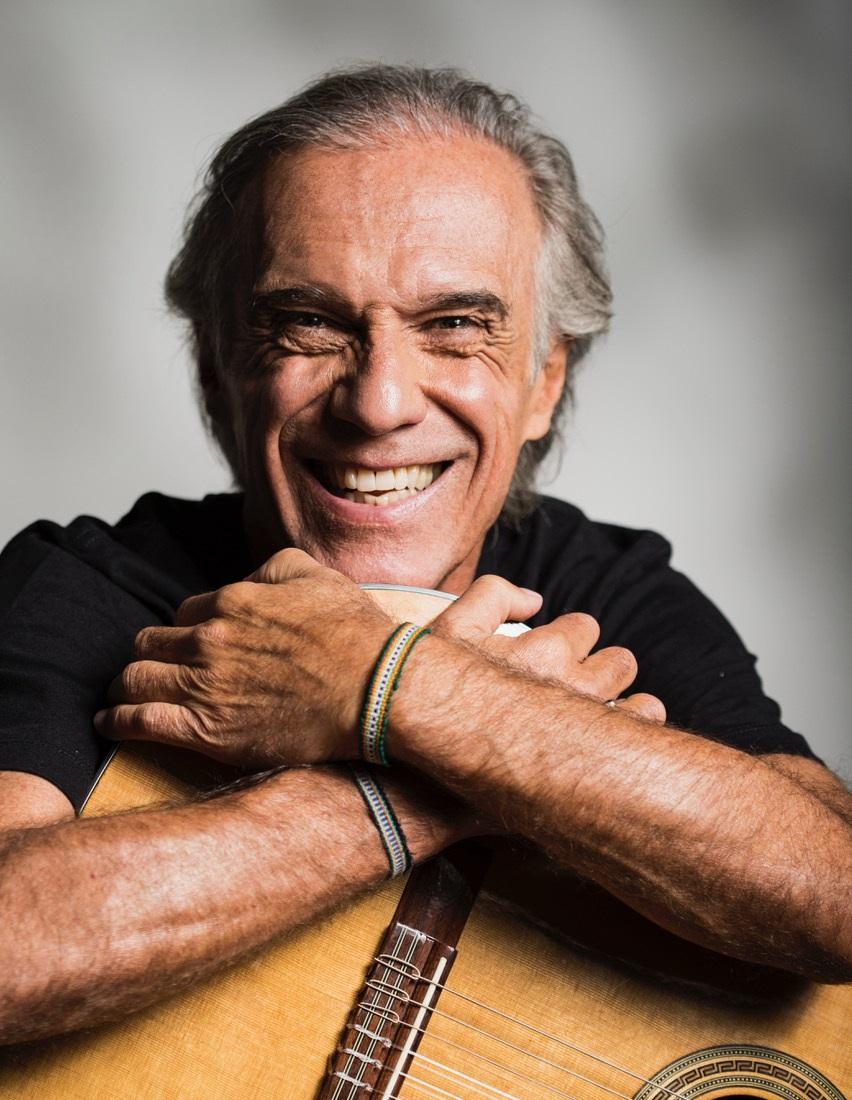
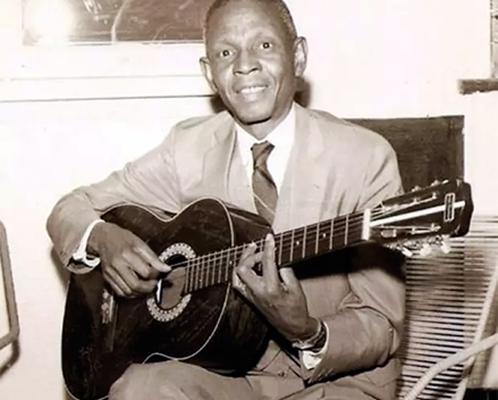
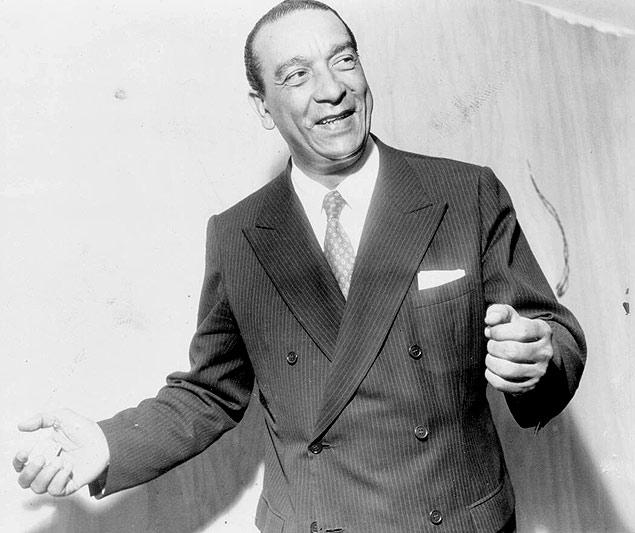
Roberto Silva’s Spotify BioWith Ciro Monteiro, Roberto Silva was one of the developers of the richly syncopated melodic division of samba singing launched by Luís Reis and Vassourinha. Some of his biggest hits are "Maria Tereza" (Altamiro Carrilho), "Normélia", "Mandei Fazer um Patuá" (both by Raimundo Olavo/Norberto Martins), "Perdi Você" (Raimundo Olavo/Silva Júnior), "Juraci me Deixou" (Raimundo Olavo/Oldemar Magalhães), "Escurinho" (Geraldo Pereira), "Crioulo Sambista" (Nelson Trigueiro/ Sinval Silva), and "O Baile Começa às Nove" (Haroldo Lobo/Milton de Oliveira). Silva was the singer of the first recording ever of a samba-enredo, "Exaltação a Tiradentes" (Mano Décio da Viola/Stanislau Silva). During his active career he recorded approximately 600 songs in 78 rpm's, singles and LP's. In the late 30's Roberto Silva started to perform in radio shows like the ones hosted by Celso Guimarães, Renato Murce, Henrique Batista, Barbosa Jr. and the most famous of all, Ary Barroso's. As a professional he debuted in… 1938 in the programme Canta Mocidade (Rádio Guanabara, where he worked until 1940). In 1943, after an audition at Rádio Mauá (in which he sang "Risoleta", by Raul Marques/Moacyr Bernardino, and the waltz "Neusa", by Antônio Caldas/Celso Figueiredo), he was hired, staying in the outing until 1946, having participated in several shows. Also in 1943 he recorded his first 78 rpm, with "Ele é Esquisito" (Walter Rodrigues) and "O Errado Sou Eu" (Djalma Mafra). In the same year he was hired by Rádio Nacional, and also in that decade he became a member of the cast of the Rádio Tupi, where he was appointed O Príncipe do Samba (The Prince of Samba). Already a famous artist, he was contracted by the label Star (soon Copacabana), launching in 1947 his first hit, "Maria Tereza", followed by "Normélia", "Mandei Fazer um Patuá" and "Perdi Você". From then on he would have much success with songs written by famous composers like Wilson Batista, Geraldo Pereira, Cartola, Ary Barroso, Lupicínio Rodrigues, Mário Lago, Nelson Cavaquinho, Ataulfo Alves, Benedito Lacerda and Haroldo Lobo, among others. His participation in the cinema includes Eu Quero é Movimento (Luís de Barros, 1949). In 1956 he launched the first LP of the highly successful Descendo o Morro series. Having left the Rádio Nacional in 1964, he joined the Rádio Mayrink Veiga, where he had his own show, having being hired in 1970 by TV Excelsior. In 2000 Roberto Silva participated in Cristina Buarque's Ganha-se Pouco Mas É Divertido, dedicated to works by Wilson Batista, and, together with Paulinho da Viola and Chico Buarque, he participated in the show in which the album was launched, at the João Caetano theater (Rio de Janeiro). ~ Alvaro Neder, Rovi
Viberate is a music analytics platform built for A&Rs, artist managers, labels, booking agents, marketers, and artists.
It helps music professionals track artist growth, analyze audience data, monitor playlist activity, compare artists, follow song performance, and identify opportunities across the music market.
Public artist pages provide a free preview of selected artist data. Paid plans provide access to deeper analytics, historical data, charts, comparisons, playlist tools, exports, alerts, reports, and additional professional features.
Yes. Public Viberate artist pages provide selected artist analytics and music data for free.
Viberate also offers a 7-day free trial of the full platform. A credit card is required to start the trial. The trial includes access to the complete product so users can test deeper artist analytics, historical views, playlist insights, comparisons, charts, exports, alerts, and reporting features before choosing a paid plan.
Viberate provides artist analytics across streaming, playlists, social media, video, radio airplay, songs, and audience markets.
Users can analyze Spotify performance, Spotify and Apple Music playlists, YouTube activity, TikTok and Instagram growth, radio spins, song performance, audience locations, demographics, rankings, and overall artist momentum.
Artist profiles also connect to music charts, similar artists, and comparison tools, helping users benchmark performance and evaluate artists in context.
Viberate updates key artist and track data daily.
For followed artists and tracks, selected data is refreshed multiple times per day. This helps teams monitor playlist changes, streaming movement, audience growth, releases, and campaign performance with more current data.
Update frequency can vary depending on the metric and data source.
Yes. Viberate lets users compare up to five artists side by side across streaming, social media, audience, and engagement metrics.
Users can compare fanbase growth, audience demographics, locations, Spotify performance, social metrics, and other artist data over selected time periods.
Artist comparison can be used for A&R scouting, benchmarking, booking decisions, campaign planning, and evaluating artists with similar audiences or market positions.