Robert Tear

Classical
Opera
Choral
 Viberate Rank: 300857
 Viberate Rank: 300857
 Monthly ListenersFollowers
 Subscribers
 Followers
 Followers
 FansTop Spotify Songs
| Track | 7-Day Streams | |
|---|---|---|
1 | 1.11K | |
2 | 924 | |
3 | 924 | |
4 | 915 | |
5 | 357 |
Top YouTube VideosMonthly ListenersFeatured in Playlists| Playlist | Followers | |
|---|---|---|
1 |  This Is Stravinsky Spotify | 46.00K |
2 |  Famous Classical Vasanth Lakshmipathy | 14.00K |
3 |  Mozart - Complete Chronological Catalogue based on Köchel catalogue K6 Ulysses' Classical | 9.54K |
4 |  The 50 Greatest Opera Arias x5musicgroup | 7.66K |
5 |  Early Music - Renaissance, Medieval & Ancient Music David Meindl | 4.85K |
Audience| City | Monthly Listeners | |
|---|---|---|
1 |  | 305 |
2 | | 263 |
3 |  | 110 |
4 |  | 102 |
5 |  | 100 |
See full performance history, audience data, playlist activity, rankings, comparisons, and more in Viberate music analytics. Start with a free trial, then continue with a paid plan.
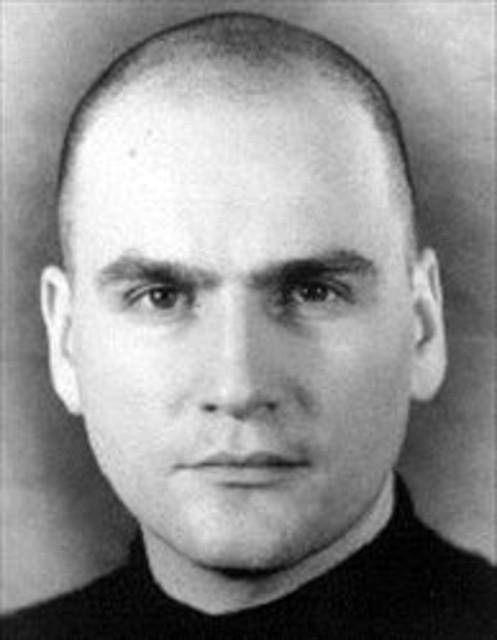
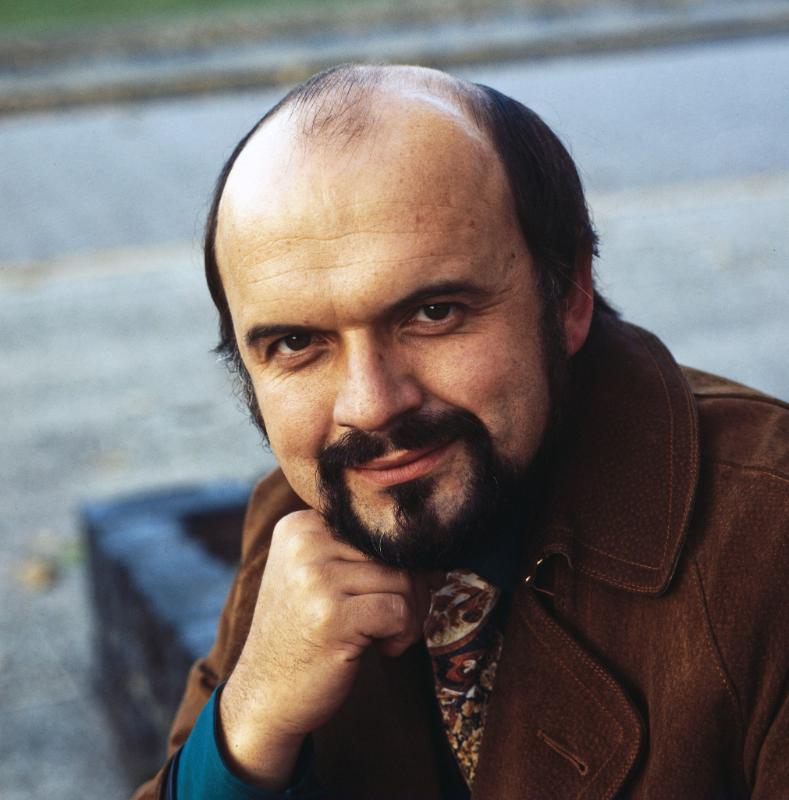
Robert Tear’s Spotify BioWhile too much versatility can sometimes be a curse in forging a singing identity, Welsh tenor Robert Tear established a significant career by being able to master numerous areas of the tenor repertory. A similarity in vocal quality to Benjamin Britten's companion and singer of choice, Peter Pears, permitted Tear to perform the same works with authenticity and he worked often with the composer during Britten's later years. In fact, in two of Britten's "church operas, or parables," Tear appeared with Pears in the premieres, performing roles written particularly for him. Tear's voice is serviceable rather than sensuous, but his keen intelligence and sophistication in matters of style and stage deportment made him an invaluable artist in a wide range of settings. In addition to leading roles, Tear built a gallery of well-considered portraits in the character tenor category. He performed extensively in oratorio, as well, and appeared often in recitals covering territory from English song… to Tchaikovsky.
Trained as a choral scholar at Kings College, Cambridge, Tear made his operatic debut as the Male Chorus in Britten's Rape of Lucretia in 1963 with the English Opera Group. This began an association with Britten leading next to roles in the second and third of the composer's church parables, The Burning Fiery Furnace (1966) and The Prodigal Son (1968). Subsequently, both of these works were recorded by Decca. Other significant premieres followed, including: Todd in Gordon Crosse's Grace of Todd (1969); the homosexual Dov in Michael Tippett's Knot Garden (1970); the Deserter in Hans Werner Henze's We Come to the River (1976); Rimbaud in John Tavener's poorly-received Therese at Covent Garden (1976); the Painter and the Negro in the Paris premiere of Friedrich Cerha's completion of the three-act version of Berg's Lulu (1979); and Ubu Rex in Krzysztof Penderecki's opera of the same name (1991).
Tear sang memorable performances of leading roles, parts as diverse as Rakewell in Stravinsky's The Rake's Progress; the title role in Peter Grimes; Aschenbach in Death in Venice; Captain Vere in Billy Budd; Lensky in Yevgeny Onegin; Jack in Tippett's Midsummer Marriage; and Paris in the same composer's King Priam; the eponymous hero in Handel's Samson; and (on record) Sali in Delius' A Village Romeo and Juliet. Character roles encompassed Wagner (Loge, Froh, and David), Mozart (Don Basilio in Le nozze di Figaro and Monostatos in Die Zauberflöte), Strauss' Herod, Emperor Altoum in Turandot, Shuisky in Mussorgsky's Boris Godunov (a singularly cunning and treacherous portrayal) and the Director in Lucio Berio's Un re in ascolto. Tear continued to include both Captain Vere and Don Basilio in his 21st century repertory.
In the concert realm, Tear performed live and recorded his distinguished reading of the tenor part in Britten's War Requiem. He embraced works as early as those of Monteverdi to compositions of the late 20th century, such as Tippett's Mask of Time. His performances of music by J.S. Bach and his Handel singing were liberally praised, and many samples of both were recorded. In earlier years, he included Beethoven's Missa Solemnis in his active repertory.
Robert Tear's discography is extensive. Among his outstanding recordings are Delius' Mass of Life, a solo disc of Tchaikovsky songs, Bach's St. John Passion (sung in English and conducted by Benjamin Britten), Tippett's Knot Garden and the Britten church parables.
In 1984, Tear was made a Commander of the British Empire.
Viberate is a music analytics platform built for A&Rs, artist managers, labels, booking agents, marketers, and artists.
It helps music professionals track artist growth, analyze audience data, monitor playlist activity, compare artists, follow song performance, and identify opportunities across the music market.
Public artist pages provide a free preview of selected artist data. Paid plans provide access to deeper analytics, historical data, charts, comparisons, playlist tools, exports, alerts, reports, and additional professional features.
Yes. Public Viberate artist pages provide selected artist analytics and music data for free.
Viberate also offers a 7-day free trial of the full platform. A credit card is required to start the trial. The trial includes access to the complete product so users can test deeper artist analytics, historical views, playlist insights, comparisons, charts, exports, alerts, and reporting features before choosing a paid plan.
Viberate provides artist analytics across streaming, playlists, social media, video, radio airplay, songs, and audience markets.
Users can analyze Spotify performance, Spotify and Apple Music playlists, YouTube activity, TikTok and Instagram growth, radio spins, song performance, audience locations, demographics, rankings, and overall artist momentum.
Artist profiles also connect to music charts, similar artists, and comparison tools, helping users benchmark performance and evaluate artists in context.
Viberate updates key artist and track data daily.
For followed artists and tracks, selected data is refreshed multiple times per day. This helps teams monitor playlist changes, streaming movement, audience growth, releases, and campaign performance with more current data.
Update frequency can vary depending on the metric and data source.
Yes. Viberate lets users compare up to five artists side by side across streaming, social media, audience, and engagement metrics.
Users can compare fanbase growth, audience demographics, locations, Spotify performance, social metrics, and other artist data over selected time periods.
Artist comparison can be used for A&R scouting, benchmarking, booking decisions, campaign planning, and evaluating artists with similar audiences or market positions.