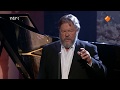
Robert Holl

Classical
Opera
Choral
 Viberate Rank: 378383
 Viberate Rank: 378383
 Monthly ListenersFollowers
 Subscribers
 Followers
 Followers
 FansTop Spotify Songs
| Track | 7-Day Streams | |
|---|---|---|
1 | 3.78K | |
2 | 1.07K | |
3 | 635 | |
4 | 516 | |
5 | 488 |
Top YouTube Videos| Video | 7-Day Views | |
|---|---|---|
1 | 42 | |
2 | 16 | |
3 | 15 | |
4 | 15 | |
5 | 7 |
Monthly ListenersFeatured in Playlists| Playlist | Followers | |
|---|---|---|
1 |  As Músicas Clássicas mais Conhecidas cris.flessak | 104.80K |
2 |  ASSTRONOMY 202 caneronwinter | 30.87K |
3 |  NPR All Songs Considered - The Bob Boilen years (unofficial) Fri Tsch | 30.02K |
4 | Para estudiar Charl Ibrown | 10.83K |
5 |  In the Hall of the Mountain King Axel Halvarsson | 8.62K |
Audience| City | Monthly Listeners | |
|---|---|---|
1 |  | 115 |
2 |  | 93 |
3 |  | 67 |
4 |  | 66 |
5 | | 64 |
See full performance history, audience data, playlist activity, rankings, comparisons, and more in Viberate music analytics. Start with a free trial, then continue with a paid plan.
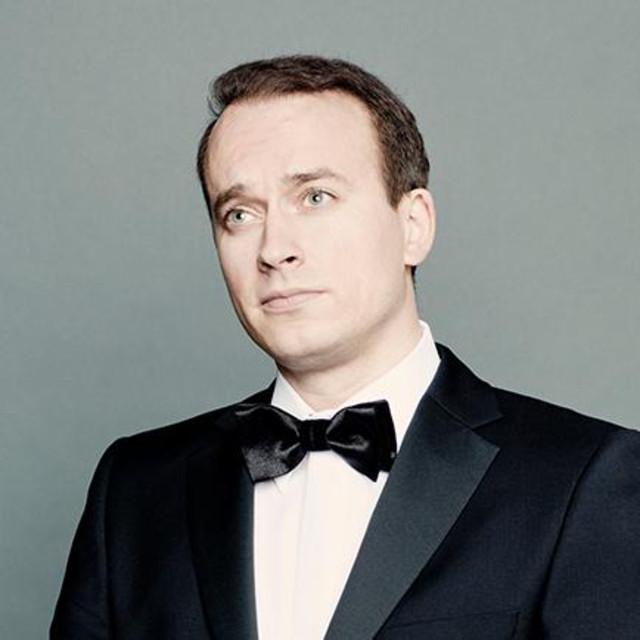
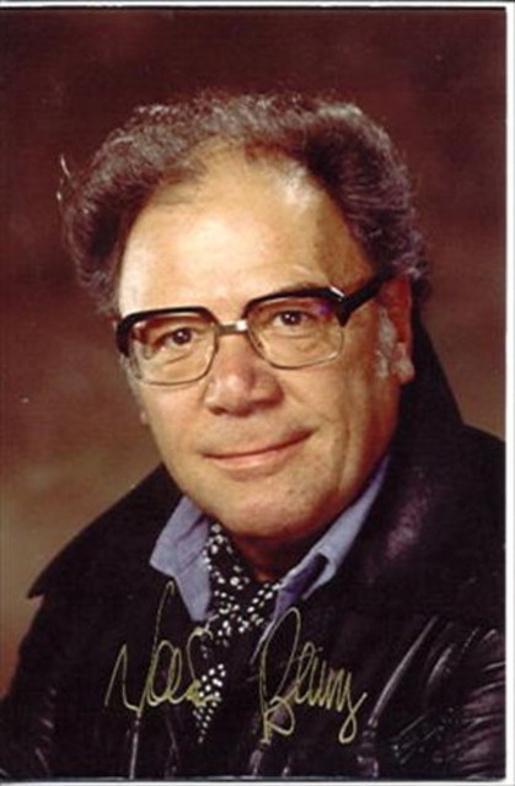
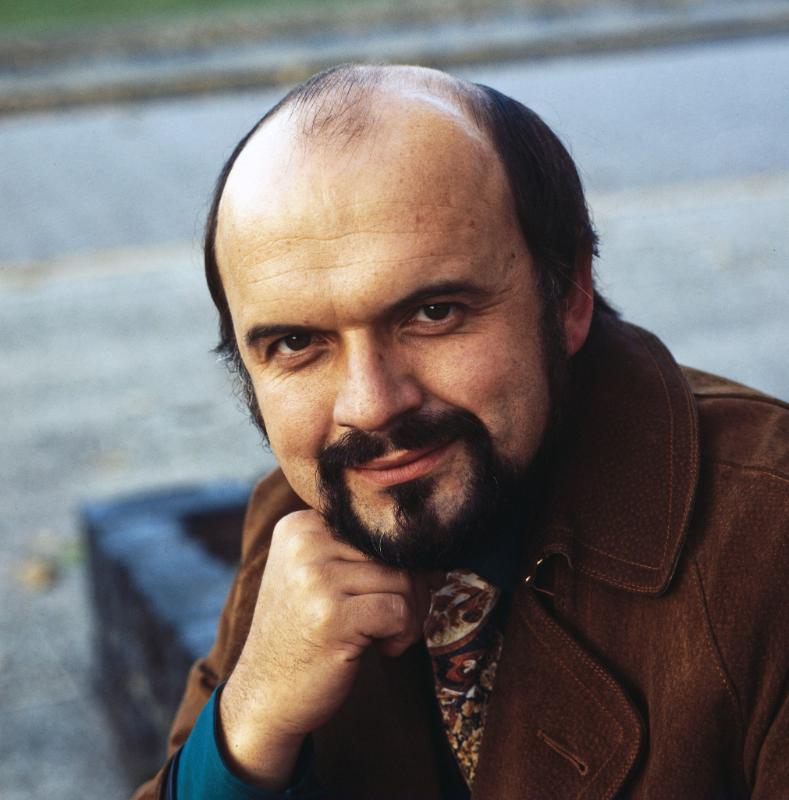
Robert Holl’s Spotify BioInitially known primarily as an artist devoted to music of the Baroque period, bass-baritone Robert Holl later ranged more widely, eventually finding his way to the stage works of Wagner. A favorite artist of conductor Nikolaus Harnoncourt, Holl was later (considerably later) taken into the fold of singers favored by Daniel Barenboim and was chosen by that conductor to sing the role of Hans Sachs for his recording of Die Meistersinger and live performances at Bayreuth. Holl's sturdy, though not especially steady or sensuous, instrument has consistently been guided by sound training and intelligence. Following his winning first prize in the 1971 's-Hertogenbosch Vocal Competition, Holl moved to Munich to study with legendary bass-baritone Hans Hotter. After a year's work with Hotter, Holl was awarded another first prize, this time at the Munich International Competition. In 1973, he joined the Bayerischen Staatsopernchor in Munich, remaining there until 1975. Holl was introduced to a… worldwide audience through the series of Bach recordings and videotaped performances he made with Harnoncourt. At the same time, he appeared in concert under other major conductors, Sawallisch, Haitink, Claudio Abbado, Giulini, Chailly, and Marriner among them. Invitations to major festivals brought Holl to Salzburg, the Vienna Festival, Prague Spring Festival, the Schubertiade Hohenems, Berliner Festwochen, the Russian Winter Festival, and the Flanders Festival. A fruitful association with the Chicago Symphony Orchestra under Daniel Barenboim began with a September 1991 concert at Chicago's Grant Park of the final movement of Beethoven's Symphony No. 9. Subsequently, Holl has appeared in complete performances of that work at Orchestra Hall and has undertaken Lieder recitals with Barenboim as accompanist. Collaborations with other musicians have included a series of performances devoted to the Bach oratorios directed by tenor/conductor Peter Schreier and Lieder recitals with a number of leading accompanists. While he has appeared on numerous recording labels, Holl has extensively explored the Lieder repertory for Preiser Records. For that label, he has performed the music of Schubert and Wolf, as well as the less-familiar songs of Hans Pfitzner, Franz Schmidt, and Max Reger. On occasion, Holl has performed with his wife, soprano Ellen van Lier. In 1990, Holl was awarded the title of Kammersänger in Vienna.
Viberate is a music analytics platform built for A&Rs, artist managers, labels, booking agents, marketers, and artists.
It helps music professionals track artist growth, analyze audience data, monitor playlist activity, compare artists, follow song performance, and identify opportunities across the music market.
Public artist pages provide a free preview of selected artist data. Paid plans provide access to deeper analytics, historical data, charts, comparisons, playlist tools, exports, alerts, reports, and additional professional features.
Yes. Public Viberate artist pages provide selected artist analytics and music data for free.
Viberate also offers a 7-day free trial of the full platform. A credit card is required to start the trial. The trial includes access to the complete product so users can test deeper artist analytics, historical views, playlist insights, comparisons, charts, exports, alerts, and reporting features before choosing a paid plan.
Viberate provides artist analytics across streaming, playlists, social media, video, radio airplay, songs, and audience markets.
Users can analyze Spotify performance, Spotify and Apple Music playlists, YouTube activity, TikTok and Instagram growth, radio spins, song performance, audience locations, demographics, rankings, and overall artist momentum.
Artist profiles also connect to music charts, similar artists, and comparison tools, helping users benchmark performance and evaluate artists in context.
Viberate updates key artist and track data daily.
For followed artists and tracks, selected data is refreshed multiple times per day. This helps teams monitor playlist changes, streaming movement, audience growth, releases, and campaign performance with more current data.
Update frequency can vary depending on the metric and data source.
Yes. Viberate lets users compare up to five artists side by side across streaming, social media, audience, and engagement metrics.
Users can compare fanbase growth, audience demographics, locations, Spotify performance, social metrics, and other artist data over selected time periods.
Artist comparison can be used for A&R scouting, benchmarking, booking decisions, campaign planning, and evaluating artists with similar audiences or market positions.