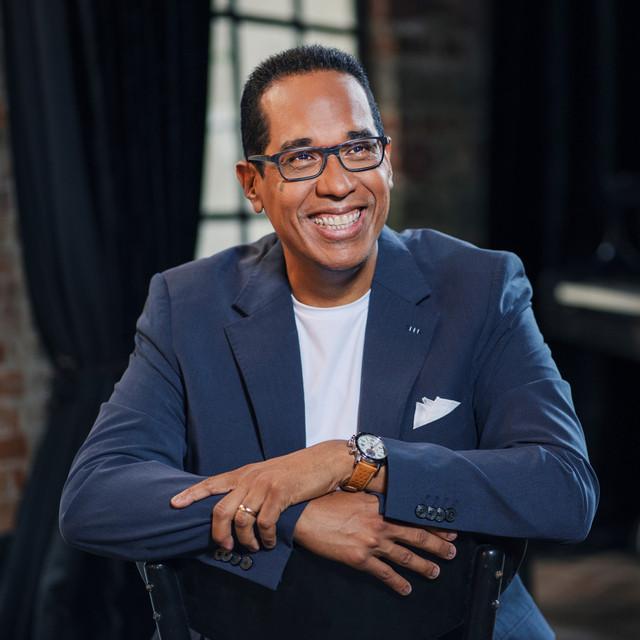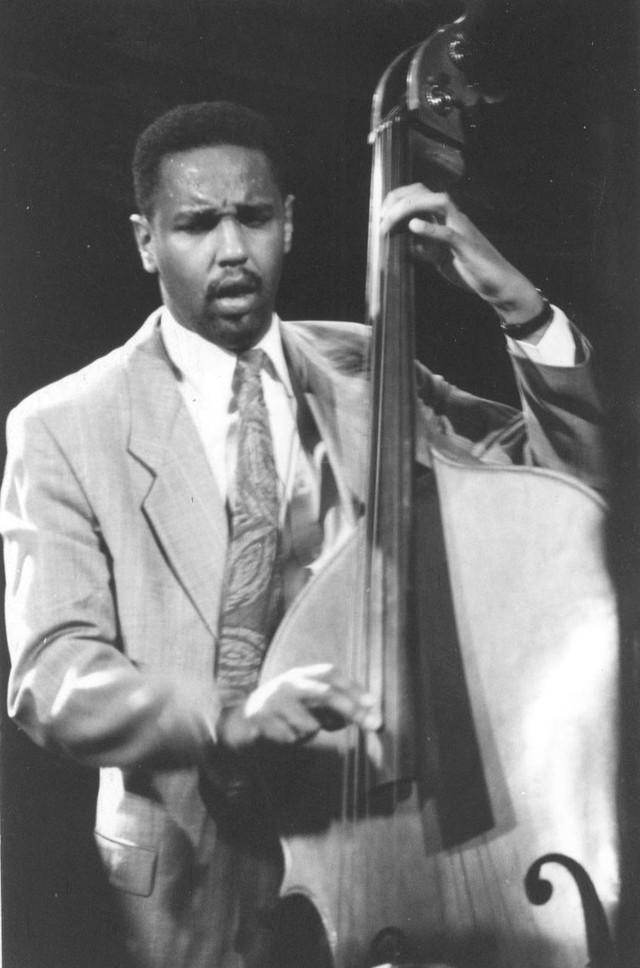
Robert Hurst

Jazz
Latin Jazz
Jazz Fusion
 Viberate Rank: 296805
 Viberate Rank: 296805
 Monthly ListenersFollowers
 Subscribers
 Followers
 Followers
 FansTop Spotify Songs
| Track | 7-Day Streams | |
|---|---|---|
1 | 4.45K | |
2 | 2.07K | |
3 | 306 | |
4 | 178 | |
5 | 101 |
Top YouTube VideosMonthly ListenersFeatured in Playlists| Playlist | Followers | |
|---|---|---|
1 |  Best of the Best of Jazz 118614068 | 61.29K |
2 |  Instrumental Jazz Valdemar Bille-Lauridsen | 45.25K |
3 |  JAZZ CHILLOUT 1296362009 | 44.19K |
4 |  Good Night Jazz Dennis Westerheim | 14.37K |
5 |  Sultry Jazz 🌹 ky | 13.61K |
Audience| City | Monthly Listeners | |
|---|---|---|
1 | | 81 |
2 | | 74 |
3 | | 63 |
4 |  | 52 |
5 | | 51 |
See full performance history, audience data, playlist activity, rankings, comparisons, and more in Viberate music analytics. Start with a free trial, then continue with a paid plan.
Robert Hurst’s Spotify BioOne of the most successful and well-known jazz bassists of his generation, Robert "Bob" Hurst is best recognized for his work with Branford and Wynton Marsalis, as well as his time with the Tonight Show Band. Born in Detroit, Hurst first started playing professionally with local Detroit musicians including trumpeter Marcus Belgrave, who hired the bassist at age 15. Hurst made his recording debut in 1985 with Out of the Blue, the self-titled release from the Blue Note Records young all-star ensemble. He then appeared on trumpeter Woody Shaw's 1986 album Bemsha Swing.
Upon the recommendation of drummer Jeff "Tain" Watts, Hurst joined trumpeter Wynton Marsalis' band, of which he was a member from 1986-1991, appearing on such albums as J Mood (1986), Live at Blues Alley (1987), Standard Time, Vol. 1 (1987), and Standard Time, Vol. 2: Intimacy Calling (1990). Also during this time, Hurst recorded albums with such artists Harry Connick, Jr., Terumasa Hino, and Vincent Herring, among many… other musicians. He also appeared with Branford and trumpeter Terence Blanchard on the soundtrack to Spike Lee's 1990 film 'Mo Better Blues.
In 1991, Hurst joined Branford as a member of the Tonight Show Band, on the Tonight Show with Jay Leno. After Branford stepped down as leader of the Tonight Show Band in 1995, Hurst continued to play on-and-off with new Tonight Show Band leader, guitarist Kevin Eubanks. Since the '90s, Hurst has toured and/or recorded with a bevy of name artists including Geri Allen, Russell Malone, Dianne Reeves, Steve Coleman, and Yo-Yo Ma, among others. As a solo artist he has released several albums including Robert Hurst Presents: Robert Hurst (1992), One for Namesake (1993), Unrehurst, Vol. 1 (2002), Unrehurst, Vol. 2 (2010) and Bob Ya Head (2010).
In 2013, Hurst released his sixth studio album, Bob: A Palindrome, featuring such longtime associates as Belgrave, Branford, drummer Watts, and pianist Robert Glasper. He then paired with Bela Szakcsi, Tim Ries, and Rudy Royston for 2015's Climate Change. The rhythmically diverse Bob's Black Current Jam followed in 2017. ~ Matt Collar, Rovi
Viberate is a music analytics platform built for A&Rs, artist managers, labels, booking agents, marketers, and artists.
It helps music professionals track artist growth, analyze audience data, monitor playlist activity, compare artists, follow song performance, and identify opportunities across the music market.
Public artist pages provide a free preview of selected artist data. Paid plans provide access to deeper analytics, historical data, charts, comparisons, playlist tools, exports, alerts, reports, and additional professional features.
Yes. Public Viberate artist pages provide selected artist analytics and music data for free.
Viberate also offers a 7-day free trial of the full platform. A credit card is required to start the trial. The trial includes access to the complete product so users can test deeper artist analytics, historical views, playlist insights, comparisons, charts, exports, alerts, and reporting features before choosing a paid plan.
Viberate provides artist analytics across streaming, playlists, social media, video, radio airplay, songs, and audience markets.
Users can analyze Spotify performance, Spotify and Apple Music playlists, YouTube activity, TikTok and Instagram growth, radio spins, song performance, audience locations, demographics, rankings, and overall artist momentum.
Artist profiles also connect to music charts, similar artists, and comparison tools, helping users benchmark performance and evaluate artists in context.
Viberate updates key artist and track data daily.
For followed artists and tracks, selected data is refreshed multiple times per day. This helps teams monitor playlist changes, streaming movement, audience growth, releases, and campaign performance with more current data.
Update frequency can vary depending on the metric and data source.
Yes. Viberate lets users compare up to five artists side by side across streaming, social media, audience, and engagement metrics.
Users can compare fanbase growth, audience demographics, locations, Spotify performance, social metrics, and other artist data over selected time periods.
Artist comparison can be used for A&R scouting, benchmarking, booking decisions, campaign planning, and evaluating artists with similar audiences or market positions.