Robert Black

Jazz
Smooth Jazz
 Viberate Rank: 654210
 Viberate Rank: 654210
 Monthly ListenersFollowers
 Subscribers
 Followers
 Followers
 FansTop Spotify Songs
| Track | 7-Day Streams | |
|---|---|---|
1 | 227 | |
2 | 92 | |
3 | 91 | |
4 | 80 | |
5 | 79 |
Top YouTube VideosMonthly ListenersFeatured in Playlists| Playlist | Followers | |
|---|---|---|
1 |  Jacob's Optimum Music Feast Jacob Collier | 47.95K |
2 | 100% Big Thief | 19.55K |
3 |  NPR Classical NPR Music | 14.43K |
4 | Audiobooks, radio plays, short stories, pœtry, comedy & spoken word ultravellocet | 8.56K |
5 |  GENREPHOBIC blustre | 6.81K |
Audience| City | Monthly Listeners | |
|---|---|---|
1 |  | 26 |
2 |  | 14 |
3 | | 12 |
4 | | 11 |
5 |  | 10 |
See full performance history, audience data, playlist activity, rankings, comparisons, and more in Viberate music analytics. Start with a free trial, then continue with a paid plan.
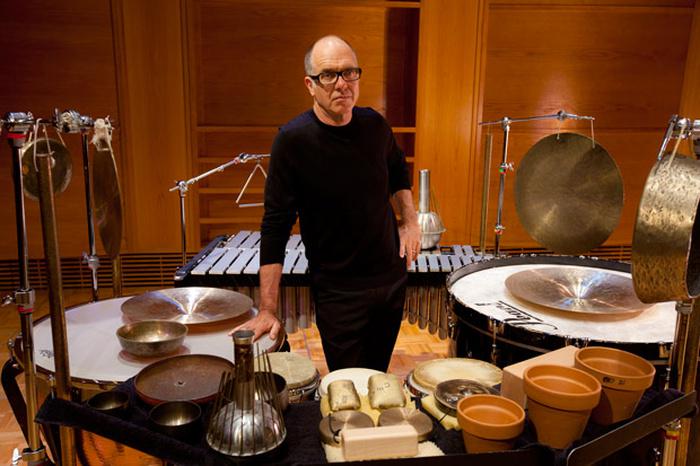
Robert Black’s Spotify BioDouble bassist, electric bassist, and educator Robert Black was best known as a founder and member of the New York avant-garde ensemble Bang on a Can All-Stars. He was notable for his facility in moving between the traditional and avant-garde spheres in classical music, and in cultivating cross-genre collaborations as well.
Black was born in Denver, Colorado, on March 16, 1956. He studied the double bass with the prominent classical player Gary Karr, the founder of the International Society of Bassists; Black went on to serve on that organization's board of directors for ten years. His credits in the traditional classical world included appearances with the Hartford Symphony Orchestra, the Ciompi String Quartet, the Miami String Quartet, as well as ensembles at several U.S. summer music festivals. He often gave recitals at festivals abroad, including the Colombo-Catalan Festival in Medellin, Colombia, the Takefu International Music Festival in Japan, and the Festival de Eleazar… Carvalho, Fortaleaza, Brazil, where his ongoing contribution over more than two decades earned him the award of Comendador - Mérito Cultural e Artistico from the Educational, Cultural, and Artistic Elezar de Carvalho.
Black co-founded the Bang on a Can All-Stars in 1992, an electric-instrument offshoot of the New York avant-garde ensemble Bang on a Can, and frequently performed with that group. He also pursued numerous collaborations on his own, with musicians ranging from Elliott Carter to John Cage to jazz pianist Paquito d'Rivera. Among his recordings was Modern American Bass, a standard collection of 20th century American double bass repertory. He also recorded for the New World, Mode, and Cantaloupe labels. In 2019, Black released The Not-Doings of an Insomniac, a new work he commissioned from Philip Glass, on the latter's Orange Mountain Music label. Black taught at the Hartt School of Music in Hartford, Connecticut, where he lived; he also taught at the Manhattan College of Music. Robert Black died on June 23, 2023 while in treatment for cancer; he was 67 years of age.
Viberate is a music analytics platform built for A&Rs, artist managers, labels, booking agents, marketers, and artists.
It helps music professionals track artist growth, analyze audience data, monitor playlist activity, compare artists, follow song performance, and identify opportunities across the music market.
Public artist pages provide a free preview of selected artist data. Paid plans provide access to deeper analytics, historical data, charts, comparisons, playlist tools, exports, alerts, reports, and additional professional features.
Yes. Public Viberate artist pages provide selected artist analytics and music data for free.
Viberate also offers a 7-day free trial of the full platform. A credit card is required to start the trial. The trial includes access to the complete product so users can test deeper artist analytics, historical views, playlist insights, comparisons, charts, exports, alerts, and reporting features before choosing a paid plan.
Viberate provides artist analytics across streaming, playlists, social media, video, radio airplay, songs, and audience markets.
Users can analyze Spotify performance, Spotify and Apple Music playlists, YouTube activity, TikTok and Instagram growth, radio spins, song performance, audience locations, demographics, rankings, and overall artist momentum.
Artist profiles also connect to music charts, similar artists, and comparison tools, helping users benchmark performance and evaluate artists in context.
Viberate updates key artist and track data daily.
For followed artists and tracks, selected data is refreshed multiple times per day. This helps teams monitor playlist changes, streaming movement, audience growth, releases, and campaign performance with more current data.
Update frequency can vary depending on the metric and data source.
Yes. Viberate lets users compare up to five artists side by side across streaming, social media, audience, and engagement metrics.
Users can compare fanbase growth, audience demographics, locations, Spotify performance, social metrics, and other artist data over selected time periods.
Artist comparison can be used for A&R scouting, benchmarking, booking decisions, campaign planning, and evaluating artists with similar audiences or market positions.