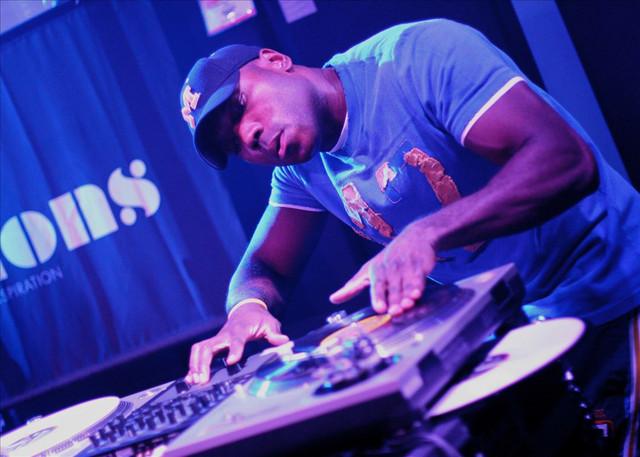
Rob Swift

Hip Hop
Contemporary Hip Hop
Alternative Hip Hop
 Viberate Rank: 82898
 Viberate Rank: 82898
 Monthly ListenersFollowers
 Subscribers
 Followers
 Followers
 FansTop Spotify Songs
| Track | 7-Day Streams | |
|---|---|---|
1 | 677 | |
2 | 677 | |
3 | 622 | |
4 | 597 | |
5 | 500 |
Top YouTube Videos| Video | 7-Day Views | |
|---|---|---|
1 | 1.74K | |
2 | 801 | |
3 | 595 | |
4 | 442 | |
5 | 369 |
Monthly ListenersFeatured in Playlists| Playlist | Followers | |
|---|---|---|
1 |  UFC 4 Soundtrack EA SPORTS UFC | 24.01K |
2 |  KESSEL MUSS BRENNEN Daniel Hernes | 18.92K |
3 |  UFC 4 - PlayStation Plus PlayStation®️ | 9.76K |
4 |  🥊 UFC Best Entrance 🧨 Ludo L-v | 9.49K |
5 |  Gilles Peterson Worldwide • updated 11/2026 Stéphane Rolland | 7.47K |
Audience| City | Monthly Listeners | |
|---|---|---|
1 | | 122 |
2 |  | 114 |
3 | | 81 |
4 |  | 77 |
5 | | 71 |
See full performance history, audience data, playlist activity, rankings, comparisons, and more in Viberate music analytics. Start with a free trial, then continue with a paid plan.
Rob Swift’s Spotify BioTurntablist Rob Swift was born Robert Aguilar in Jackson Heights, a neighborhood of Queens. Growing up, he was heavily influenced by cutting-edge jazz artist Herbie Hancock as well as the more typical DJ heroes like Grandmaster Flash, Grand Wizard Theodore, and DJ Premier. After graduating from Baruch College with a degree in psychology, Swift joined one of the top scratching groups of the '90s, the X-Men (later known as the X-Ecutioners). In 1992, he won the DMC East Coast Turn Table Championship and DJed with rapper Akinyele on his cross-country tour. A mixtape favorite, after one album with the X-Ecutioners Swift released his own widely praised debut, Soulful Fruit, in 1997 on Asphodel, followed by The Ablist in 1999. Thereafter, he released a succession of mixes for Triple Threat (Airwave Invasion), Tableturns (Sound Event), and Six Degrees (Under the Influence). In 2004, Swift left the X-Ecutioners after the release of the album Revolutions and went on to record OuMuPo, Vol. 2, a… remix of artists from the Ici d'Ailleurs label, and 2005's War Games, a soundtrack to the world after September 11, on the Coup de Grace label. ~ John Bush & Marisa Brown, Rovi
Viberate is a music analytics platform built for A&Rs, artist managers, labels, booking agents, marketers, and artists.
It helps music professionals track artist growth, analyze audience data, monitor playlist activity, compare artists, follow song performance, and identify opportunities across the music market.
Public artist pages provide a free preview of selected artist data. Paid plans provide access to deeper analytics, historical data, charts, comparisons, playlist tools, exports, alerts, reports, and additional professional features.
Yes. Public Viberate artist pages provide selected artist analytics and music data for free.
Viberate also offers a 7-day free trial of the full platform. A credit card is required to start the trial. The trial includes access to the complete product so users can test deeper artist analytics, historical views, playlist insights, comparisons, charts, exports, alerts, and reporting features before choosing a paid plan.
Viberate provides artist analytics across streaming, playlists, social media, video, radio airplay, songs, and audience markets.
Users can analyze Spotify performance, Spotify and Apple Music playlists, YouTube activity, TikTok and Instagram growth, radio spins, song performance, audience locations, demographics, rankings, and overall artist momentum.
Artist profiles also connect to music charts, similar artists, and comparison tools, helping users benchmark performance and evaluate artists in context.
Viberate updates key artist and track data daily.
For followed artists and tracks, selected data is refreshed multiple times per day. This helps teams monitor playlist changes, streaming movement, audience growth, releases, and campaign performance with more current data.
Update frequency can vary depending on the metric and data source.
Yes. Viberate lets users compare up to five artists side by side across streaming, social media, audience, and engagement metrics.
Users can compare fanbase growth, audience demographics, locations, Spotify performance, social metrics, and other artist data over selected time periods.
Artist comparison can be used for A&R scouting, benchmarking, booking decisions, campaign planning, and evaluating artists with similar audiences or market positions.