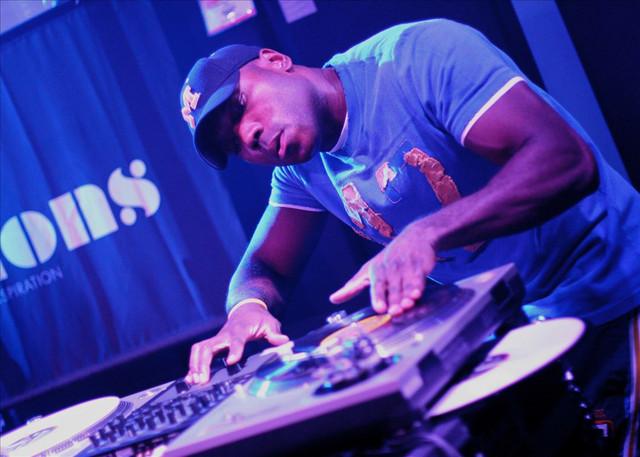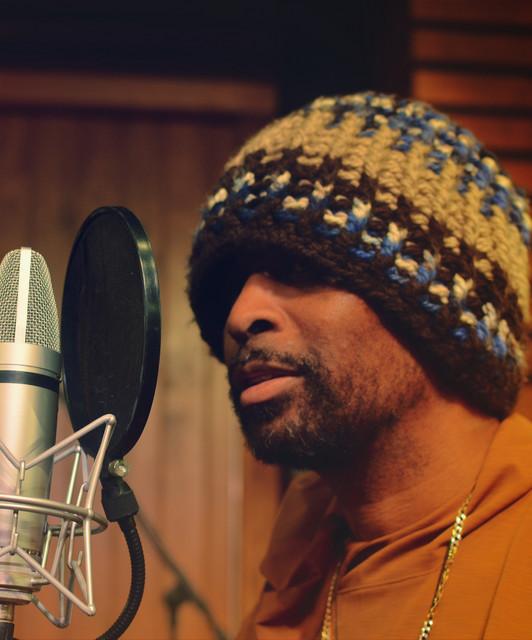
J.Rocc

Hip Hop
Contemporary Hip Hop
Alternative Hip Hop
 Viberate Rank: 103200
 Viberate Rank: 103200
 Monthly ListenersFollowers
 Subscribers
 Followers
 Followers
 FansTop Spotify Songs
| Track | 7-Day Streams | |
|---|---|---|
1 | 2.42K | |
2 | 1.83K | |
3 | 1.46K | |
4 | 1.46K | |
5 | 1.46K |
Top YouTube VideosMonthly ListenersFeatured in Playlists| Playlist | Followers | |
|---|---|---|
1 | Trip Hop // Beats Lapgan | 67.29K |
2 |  Beats Only: Jazzy, Soulful, Jazzhop, Boom Bap (Instrumental Hip-Hop), Lofi Jazz, No AI. Sphere of Hip Hop | 35.66K |
3 |  Martin Garrix Favorites Martin Garrix | 19.30K |
4 |  KESSEL MUSS BRENNEN Daniel Hernes | 18.92K |
5 |  Living In My Headphones James Lavelle (UNKLE) | 16.04K |
Audience| City | Monthly Listeners | |
|---|---|---|
1 | | 438 |
2 |  | 309 |
3 |  | 243 |
4 | | 233 |
5 | | 227 |
See full performance history, audience data, playlist activity, rankings, comparisons, and more in Viberate music analytics. Start with a free trial, then continue with a paid plan.
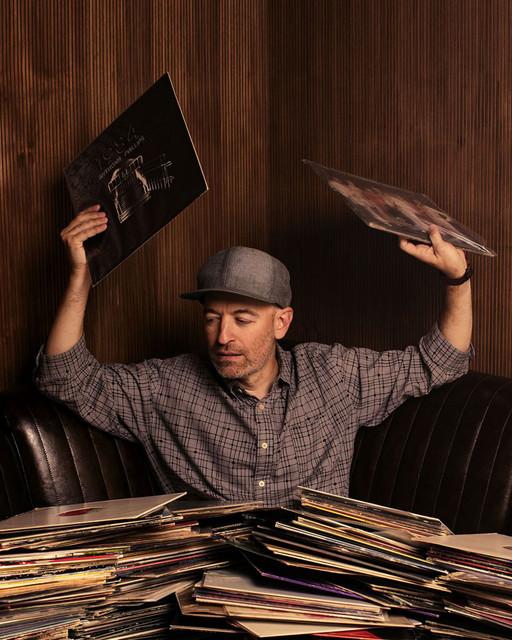
J.Rocc’s Spotify BioOne of the original turntablists, J-Rocc founded the Beat Junkies in 1992 with Melo-D and Rhettmatic, but has done just as much on his own as in a group setting. Born Jason Jackson, he began DJing in the mid-'80s with a California group named PSK. Soon after forming, the Beat Junkies became a seminal force in the rise of instrumental hip-hop, including core member Babu plus future stars Shortkut and D-Styles. The group won federation championships in 1997 and 1998, after which they collectively retired from competition. Beat Junkies mixes and studio material continued to pour out. J-Rocc's first widely issued mix album, Walkman Rotation, appeared in 1998 on Conception, and he also worked with Babu on the turntablist compilation Soundbombing, Vol. 2, plus as the Bumrush Brothers. After touring as the DJ for Madlib's live shows, J-Rocc released his first album of productions, Some Cold Rock Stuf, in 2011 on the Stones Throw label. Now, J Rocc returns with A Wonderful Letter – his letter… to Los Angeles, and his dedication to a lifetime of L.A. music scenes – his second full-length album.
Viberate is a music analytics platform built for A&Rs, artist managers, labels, booking agents, marketers, and artists.
It helps music professionals track artist growth, analyze audience data, monitor playlist activity, compare artists, follow song performance, and identify opportunities across the music market.
Public artist pages provide a free preview of selected artist data. Paid plans provide access to deeper analytics, historical data, charts, comparisons, playlist tools, exports, alerts, reports, and additional professional features.
Yes. Public Viberate artist pages provide selected artist analytics and music data for free.
Viberate also offers a 7-day free trial of the full platform. A credit card is required to start the trial. The trial includes access to the complete product so users can test deeper artist analytics, historical views, playlist insights, comparisons, charts, exports, alerts, and reporting features before choosing a paid plan.
Viberate provides artist analytics across streaming, playlists, social media, video, radio airplay, songs, and audience markets.
Users can analyze Spotify performance, Spotify and Apple Music playlists, YouTube activity, TikTok and Instagram growth, radio spins, song performance, audience locations, demographics, rankings, and overall artist momentum.
Artist profiles also connect to music charts, similar artists, and comparison tools, helping users benchmark performance and evaluate artists in context.
Viberate updates key artist and track data daily.
For followed artists and tracks, selected data is refreshed multiple times per day. This helps teams monitor playlist changes, streaming movement, audience growth, releases, and campaign performance with more current data.
Update frequency can vary depending on the metric and data source.
Yes. Viberate lets users compare up to five artists side by side across streaming, social media, audience, and engagement metrics.
Users can compare fanbase growth, audience demographics, locations, Spotify performance, social metrics, and other artist data over selected time periods.
Artist comparison can be used for A&R scouting, benchmarking, booking decisions, campaign planning, and evaluating artists with similar audiences or market positions.