RM Hubbert

Rock
Folk Rock
Alternative Rock
 Viberate Rank: 383913
 Viberate Rank: 383913
 Monthly ListenersFollowers
 Subscribers
 Followers
 Followers
 FansTop Spotify Songs
| Track | 7-Day Streams | |
|---|---|---|
1 | 212 | |
2 | 138 | |
3 | 129 | |
4 | 85 | |
5 | 79 |
Top YouTube Videos| Video | 7-Day Views | |
|---|---|---|
1 | 2 |
Monthly ListenersFeatured in Playlists| Playlist | Followers | |
|---|---|---|
1 |  Mortimer and Whitehouse: Gone Fishing - complete playlist Benedict Jones | 12.14K |
2 |  Duyster (all tracks ever played) Wike | 8.15K |
3 |  Mortimer & Whitehouse: Gone Fishing (S1-6 & Xmas Specials) Rob’s Records Podcast | 4.66K |
4 |  Mogwai - Discography Mogwai | 3.80K |
5 |  Perfect Sound Whatever - James Acaster allthetimealways | 3.31K |
Audience| City | Monthly Listeners | |
|---|---|---|
1 | | 155 |
2 | | 122 |
3 | | 46 |
4 | | 33 |
5 |  | 18 |
See full performance history, audience data, playlist activity, rankings, comparisons, and more in Viberate music analytics. Start with a free trial, then continue with a paid plan.
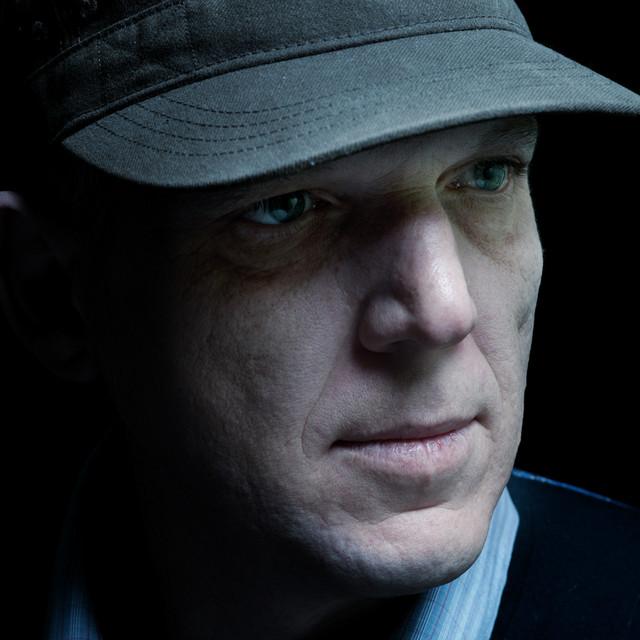
RM Hubbert’s Spotify BioA staple of the Glasgow music scene since the early '90s, Scottish guitarist and singer/songwriter RM Hubbert first played with post-rockers El Hombre Trajeado before developing into a solo artist with an innovative, flamenco-inspired guitar style and an ability to transform pain and loss into beautiful, thoughtful songs. His "Ampersand Trilogy" of albums include 2012's Scottish Album of the Year award-winning Thirteen Lost & Found and its shortlisted follow-up, 2013's Breaks & Bone. In 2018 he teamed up with longtime friend and collaborator Aidan Moffat for the LP Here Lies the Body.
Hubbert began making music in 1993 and first attracted attention with Glaswegian post-rockers El Hombre Trajeado, who released a trio of albums (1998's Skipafone, 2001's Saccade, and 2004's Shlap) before disbanding in 2005.
For a few years after the band's breakup, he spent time studying different forms of music -- including the flamenco guitar that would define his later work -- and coping with the loss of… his parents, as well as his chronic depression. All of these elements inspired his self-released 2010 solo debut, First & Last, a collection of samba and flamenco-tinged instrumentals. The album led to a deal with Chemikal Underground Records, which reissued it in 2011 and released his second album, 2012's Thirteen Lost & Found. Produced by Franz Ferdinand's Alex Kapranos, it featured collaborations with Alasdair Roberts, the Delgados' Emma Pollock, and Arab Strap's Aidan Moffat, and won the 2013 Scottish Album of the Year Award. That year, Hubbert released Breaks & Bone, the final installment in the "Ampersand Trilogy" and his first album to feature his own vocals. A more uplifting set than his previous work, the album was shortlisted for the Scottish Album of the Year award. In 2014, the collection Ampersand Extras gathered B-sides, rarities, and unreleased material from each of Hubbert's solo albums. For 2016's Telling the Trees, he returned to the collaborative style of Thirteen Lost & Found, teaming with artists including Eleanor Friedberger, Helen Marnie, Rachel Grimes, Spoon's Jim Eno, and Mogwai's Barry Burns on songs that ranged from folk to electro. Like its predecessor, the album was nominated for Scottish Album of the Year Award. Hubbert reunited with Moffat on 2018's holiday-themed Ghost Stories for Christmas, and on Here Lies the Body, the latter of which set the beginning and end of a couple's relationship to music incorporating samba, synth pop, and jazz. The album's other players included vocalist/cellist Siobahn Wilson, saxophonist John Burgess, and composer/multi-instrumentalist Bill Wells. ~ Heather Phares & James Christopher Monger, Rovi
Viberate is a music analytics platform built for A&Rs, artist managers, labels, booking agents, marketers, and artists.
It helps music professionals track artist growth, analyze audience data, monitor playlist activity, compare artists, follow song performance, and identify opportunities across the music market.
Public artist pages provide a free preview of selected artist data. Paid plans provide access to deeper analytics, historical data, charts, comparisons, playlist tools, exports, alerts, reports, and additional professional features.
Yes. Public Viberate artist pages provide selected artist analytics and music data for free.
Viberate also offers a 7-day free trial of the full platform. A credit card is required to start the trial. The trial includes access to the complete product so users can test deeper artist analytics, historical views, playlist insights, comparisons, charts, exports, alerts, and reporting features before choosing a paid plan.
Viberate provides artist analytics across streaming, playlists, social media, video, radio airplay, songs, and audience markets.
Users can analyze Spotify performance, Spotify and Apple Music playlists, YouTube activity, TikTok and Instagram growth, radio spins, song performance, audience locations, demographics, rankings, and overall artist momentum.
Artist profiles also connect to music charts, similar artists, and comparison tools, helping users benchmark performance and evaluate artists in context.
Viberate updates key artist and track data daily.
For followed artists and tracks, selected data is refreshed multiple times per day. This helps teams monitor playlist changes, streaming movement, audience growth, releases, and campaign performance with more current data.
Update frequency can vary depending on the metric and data source.
Yes. Viberate lets users compare up to five artists side by side across streaming, social media, audience, and engagement metrics.
Users can compare fanbase growth, audience demographics, locations, Spotify performance, social metrics, and other artist data over selected time periods.
Artist comparison can be used for A&R scouting, benchmarking, booking decisions, campaign planning, and evaluating artists with similar audiences or market positions.