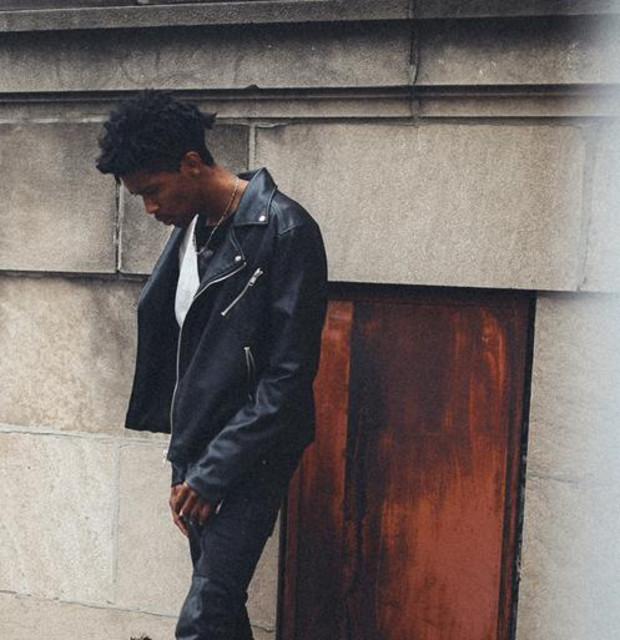
R.LUM.R

R&B
Contemporary R&B
Alternative R&B
 Viberate Rank: 77247
 Viberate Rank: 77247
 Monthly ListenersFollowers
 Subscribers
 Followers
 Followers
 FansTop Spotify Songs
| Track | 7-Day Streams | |
|---|---|---|
1 | 10.71K | |
2 | 10.57K | |
3 | 9.15K | |
4 | 1.52K | |
5 | 1.50K |
Top YouTube Videos| Video | 7-Day Views | |
|---|---|---|
1 | 591 | |
2 | 591 | |
3 | 318 | |
4 | 227 | |
5 | 173 |
Monthly ListenersFeatured in Playlists| Playlist | Followers | |
|---|---|---|
1 | Slow Jams/R&B ❤️ _elissseee | 74.29K |
2 |  It Hurts, Sometimes - SPOT: LP - Lost 118614068 | 51.52K |
3 |  Floatry Masked Mortal Music | 47.07K |
4 | Gaming Ultimate Playlist 12155857677 | 33.38K |
5 |  jazzy & groovy vibes Michiko Winata | 33.04K |
Audience| City | Monthly Listeners | |
|---|---|---|
1 | | 983 |
2 | | 885 |
3 | | 758 |
4 | | 684 |
5 | | 629 |
See full performance history, audience data, playlist activity, rankings, comparisons, and more in Viberate music analytics. Start with a free trial, then continue with a paid plan.
R.LUM.R’s Spotify BioR.LUM.R has a background and set of skills like few others. He grew up with the likes of Julian Bream and Christopher Parkening as potential role models. He was completely enamored with anime classics like Cowboy Bebop, Fullmetal Alchemist and Outlaw Star and studied Japanese as a second language at Florida State University. He and his school friends listened to The Dark Side of the Moon on repeat play as they slept, and he spent his youth listening to an eclectic mix of Prince, Debussy, Sneaker Pimps, Ravel, Maxwell and Massive Attack, among many others.
His arrival on the scene was not sudden: with just an acoustic guitar, his voice, and growing number of original songs, he put together some early recordings in Florida, performed live and started to develop a following. Over the course of the past couple of years, his approach to songwriting—and overall sound—began to evolve with the inclusion of electronics and with it came the creation of R.LUM.R and eventually, a move to Nashville.…
Now ROLLING STONE has dubbed him “An Artist You Need To Know,” called him “a buzzing RnB star on the rise” and described him as “a singer-songwriter armored to compete in a world dominated by trap and EDM.” His music has a sense of warmth and an undeniable soul that instantly connects with listeners. And as the stunning success of his hugely impactful lead single “Frustrated” and debut EP AFTERIMAGE (PRMD) portends, there’s much more to come.
Viberate is a music analytics platform built for A&Rs, artist managers, labels, booking agents, marketers, and artists.
It helps music professionals track artist growth, analyze audience data, monitor playlist activity, compare artists, follow song performance, and identify opportunities across the music market.
Public artist pages provide a free preview of selected artist data. Paid plans provide access to deeper analytics, historical data, charts, comparisons, playlist tools, exports, alerts, reports, and additional professional features.
Yes. Public Viberate artist pages provide selected artist analytics and music data for free.
Viberate also offers a 7-day free trial of the full platform. A credit card is required to start the trial. The trial includes access to the complete product so users can test deeper artist analytics, historical views, playlist insights, comparisons, charts, exports, alerts, and reporting features before choosing a paid plan.
Viberate provides artist analytics across streaming, playlists, social media, video, radio airplay, songs, and audience markets.
Users can analyze Spotify performance, Spotify and Apple Music playlists, YouTube activity, TikTok and Instagram growth, radio spins, song performance, audience locations, demographics, rankings, and overall artist momentum.
Artist profiles also connect to music charts, similar artists, and comparison tools, helping users benchmark performance and evaluate artists in context.
Viberate updates key artist and track data daily.
For followed artists and tracks, selected data is refreshed multiple times per day. This helps teams monitor playlist changes, streaming movement, audience growth, releases, and campaign performance with more current data.
Update frequency can vary depending on the metric and data source.
Yes. Viberate lets users compare up to five artists side by side across streaming, social media, audience, and engagement metrics.
Users can compare fanbase growth, audience demographics, locations, Spotify performance, social metrics, and other artist data over selected time periods.
Artist comparison can be used for A&R scouting, benchmarking, booking decisions, campaign planning, and evaluating artists with similar audiences or market positions.