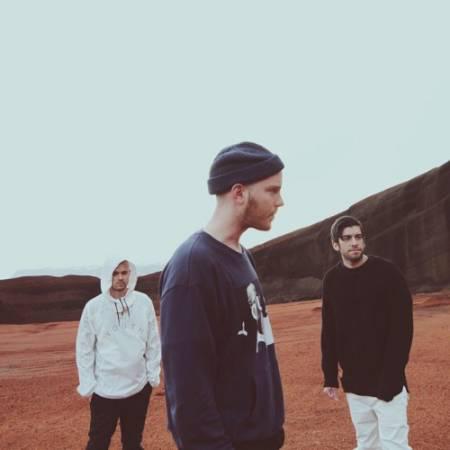
Jordan Bratton

Pop
Mainstream Pop
Contemporary R&B
Alternative Hip Hop
 Viberate Rank: 205421
 Viberate Rank: 205421
 Monthly ListenersFollowers
 Subscribers
 Followers
 Followers
 FansTop Spotify Songs
| Track | 7-Day Streams | |
|---|---|---|
1 | 1.53K | |
2 | 1.49K | |
3 | 1.06K | |
4 | 391 | |
5 | 371 |
Top YouTube VideosMonthly ListenersFeatured in Playlists| Playlist | Followers | |
|---|---|---|
1 | k2b | 96.53K |
2 | NEW SH*T || Updated weekly || ORIGINAL RAPCAVIAR Simon Grum | 91.04K |
3 |  F1 Tracks: Charles Leclerc F1 | 19.21K |
4 |  anton's playlist anton_archivess | 18.96K |
5 |  RMusic (instagram, weverse, twt) for namjoon ♡ | 16.32K |
Audience| City | Monthly Listeners | |
|---|---|---|
1 |  | 265 |
2 | | 210 |
3 | | 182 |
4 | | 174 |
5 |  | 138 |
See full performance history, audience data, playlist activity, rankings, comparisons, and more in Viberate music analytics. Start with a free trial, then continue with a paid plan.
Jordan Bratton’s Spotify BioContemporary R&B singer, songwriter, and producer Jordan Bratton was only nine years old when he played Simba in a Broadway production of The Lion King, but he eventually gravitated more toward music. Bratton caught the attention of the https://open.spotify.com/search/label%3A%22RCA%22 label, who signed him on the strength of a performance that impressed. In late 2013, Bratton started to build interest outside his native New York with a free digital-download mixtape, The Grey Area, for which he provided all the production work and, rather daringly, made without a single guest spot. The following year, he was credited as co-songwriter and co-producer on Kim Cesarion's "Angel Wings." Bratton's proper debut single, "Danger," featuring Fabolous, was released in early 2015 as the teaser for the EP Youth, which he also promoted by opening for labelmate Jazmine Sullivan. Released that May, Youth also contained "Prisoner," a track on which Chance the Rapper provided a guest verse. After a… handful of singles and featured appearances, Bratton completed Driver's Ed. The predominantly self-produced mixtape was released by https://open.spotify.com/search/label%3A%22RCA%22 in October 2017. ~ Andy Kellman, Rovi
Viberate is a music analytics platform built for A&Rs, artist managers, labels, booking agents, marketers, and artists.
It helps music professionals track artist growth, analyze audience data, monitor playlist activity, compare artists, follow song performance, and identify opportunities across the music market.
Public artist pages provide a free preview of selected artist data. Paid plans provide access to deeper analytics, historical data, charts, comparisons, playlist tools, exports, alerts, reports, and additional professional features.
Yes. Public Viberate artist pages provide selected artist analytics and music data for free.
Viberate also offers a 7-day free trial of the full platform. A credit card is required to start the trial. The trial includes access to the complete product so users can test deeper artist analytics, historical views, playlist insights, comparisons, charts, exports, alerts, and reporting features before choosing a paid plan.
Viberate provides artist analytics across streaming, playlists, social media, video, radio airplay, songs, and audience markets.
Users can analyze Spotify performance, Spotify and Apple Music playlists, YouTube activity, TikTok and Instagram growth, radio spins, song performance, audience locations, demographics, rankings, and overall artist momentum.
Artist profiles also connect to music charts, similar artists, and comparison tools, helping users benchmark performance and evaluate artists in context.
Viberate updates key artist and track data daily.
For followed artists and tracks, selected data is refreshed multiple times per day. This helps teams monitor playlist changes, streaming movement, audience growth, releases, and campaign performance with more current data.
Update frequency can vary depending on the metric and data source.
Yes. Viberate lets users compare up to five artists side by side across streaming, social media, audience, and engagement metrics.
Users can compare fanbase growth, audience demographics, locations, Spotify performance, social metrics, and other artist data over selected time periods.
Artist comparison can be used for A&R scouting, benchmarking, booking decisions, campaign planning, and evaluating artists with similar audiences or market positions.