RJD2

Hip Hop
Alternative Hip Hop
Downtempo
Psychedelic Rock
 Viberate Rank: 30275
 Viberate Rank: 30275
 Monthly ListenersFollowers
 Subscribers
 Followers
 Followers
 FansTop Spotify Songs
| Track | 7-Day Streams | |
|---|---|---|
1 | 90.57K | |
2 | 35.84K | |
3 | 17.75K | |
4 | 13.35K | |
5 | 10.03K |
Top YouTube Videos| Video | 7-Day Views | |
|---|---|---|
1 | 2.83K | |
2 | 1.94K | |
3 | 868 | |
4 | 724 | |
5 | 593 |
Monthly ListenersFeatured in Playlists| Playlist | Followers | |
|---|---|---|
1 |  Trip Hop Spotify | 655.97K |
2 |  Instrumental Funk Spotify | 394.13K |
3 |  Chillout Classics Spotify | 235.28K |
4 |  Suits Soundtrack [All Seasons] Solitude Collective | 151.56K |
5 | felix lobrecht o.s.t. felixlobrecht | 115.17K |
Audience| City | Monthly Listeners | |
|---|---|---|
1 |  | 8.05K |
2 | | 5.38K |
3 |  | 5.29K |
4 | | 5.28K |
5 | | 5.14K |
See full performance history, audience data, playlist activity, rankings, comparisons, and more in Viberate music analytics. Start with a free trial, then continue with a paid plan.
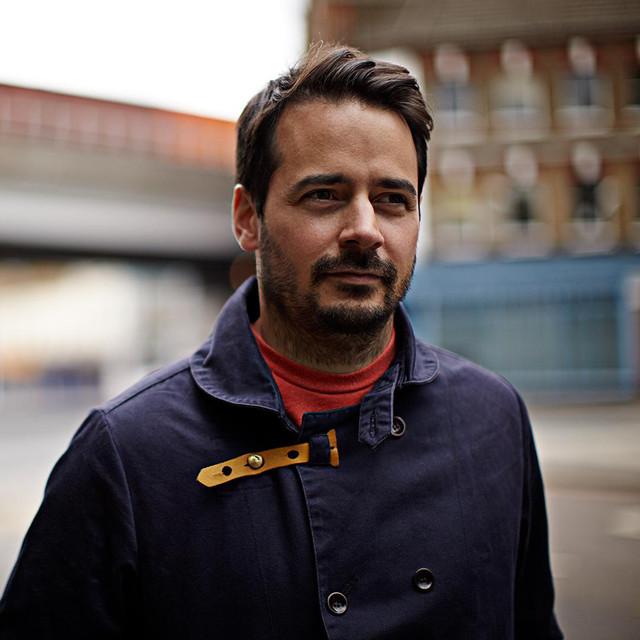
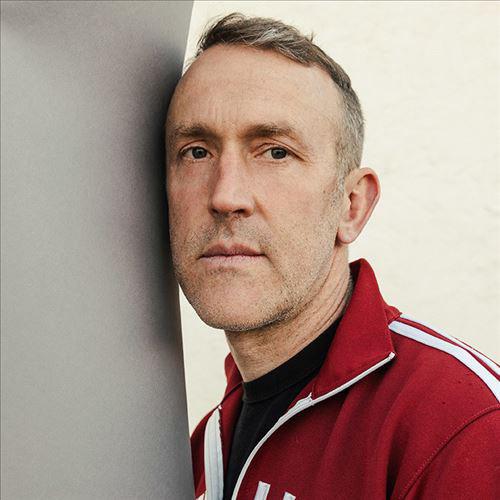
RJD2’s Spotify BioA producer whose skill and fluency with a number of genres makes him impressively difficult to pin down, RJD2's body of work makes a strong case for ignoring stylistic conventions. Even his acclaimed 2002 debut album Dead Ringer reflected his fondness for cinematic atmosphere and forays into jazz as much as his strong ties to the underground hip-hop scene. From there, he took one unexpected turn after another, folding '70s pop and rock influences into 2004's Since We Last Spoke, going sample-free on the alt-pop musings of 2007's The Third Hand, and adding his own live drumming to 2010's The Colossus. Along the way, he became an in-demand producer and remixer for clients -- Massive Attack, El-P, Elbow, and Polyphonic Spree -- that were nearly as varied as his own music. In the 2010s and beyond, he found inspiration by returning to the R&B and funk that were his early musical loves. The neo-soul leanings of 2013's More Is Than Isn't and the more vintage shadings of 2020's The Fun Ones… and 2024's Visions Out of Limelight made for a slightly more cohesive, but still eclectic approach from an artist who's still best defined on his own terms.
Born Ramble John Krohn in Eugene, Oregon, on May 27, 1976, he moved to Columbus, Ohio, a few years later and was raised there. While growing up, he listened to Led Zeppelin and Jimi Hendrix before falling in love with soul and R&B music. While he was in high school, he attended a music school where he learned music theory, but this training felt too restrictive for him. It wasn't until he discovered his city's thriving hip-hop scene, thanks to a friend who took him to open mic nights and battles in the early '90s, that he found his niche.
RJD2 began producing music in 1993, but didn't have the thousands of dollars necessary to buy the gear to take his craft to the next level. When Akai released its entry-level MPC 2000 in 1997, he could finally afford to invest in his music. He spent hours developing his skills, with a win at the 1997 Ohio Hip-Hop Expo DJ battle becoming one of the first rewards for his efforts. As the DJ/producer for the local crew Megahertz, he scored the underground hit "World Premier," one of two singles MHz released on Bobbito Garcia's Fondle 'Em Records. Not long after, RJD2 came to the attention of El-P, and began working with Def Jux in 2000. That year, RJD2 produced Copywrite's debut single, "Holier Than Thou," on Rawkus Records and worked with Poppa Hop as the Dirty Birds on the Pryor Convictions EP. In 2001, he made his first formal appearance as a solo artist on the Def Jux Presents... compilation, proving he could hold his own alongside such luminaries as Company Flow, El-P, Cannibal Ox, and Aesop Rock.
While making his debut album, RJD2 sought to create music that fans of rap and instrumental hip-hop could both appreciate. The results were Dead Ringer, which Def Jux released in July 2002. Featuring collaborations with Blueprint and Copywrite and musical sources that ranged from funk to flamenco, it was soon hailed as one of the year's best underground hip-hop releases. He remained busy in 2002 with remixes and productions for Cage, Souls of Mischief, El-P, and Massive Attack among others. The following year, RJD2 issued The Horror EP, which featured Dead Ringer B-sides, and continued to branch out. In addition to production work for Murs, Nightmares on Wax, Elbow, and Aceyalone, he teamed up with Blueprint as Soul Position, who issued the well-received album 8 Million Stories on Rhymesayers Entertainment.
On his second album, May 2004's Since We Last Spoke, RJD2 incorporated more elements of '70s pop, rock, and R&B into his music. Along with critical acclaim, the record also met with some chart success; it reached number 128 on the Billboard 200 Albums chart and peaked at number 94 on the U.K. Albums Chart (its single "Exotic Talk" hit number 93 on the U.K. Singles Chart). That year also saw the release of In Rare Form: Unreleased Instrumentals and productions for Vast Aire and Hikaru Utada. After a relatively quiet 2005 that found him working with Leela James and Cage, in 2006 RJD2 and Blueprint reunited for Soul Position's second album, Things Go Better with RJ and Al. He also teamed up with Aceyalone on Magnificent City, which hit number 39 on Billboard's Heatseekers Albums chart and featured the track "A Beautiful Mine," which became the theme song to the AMC television series Mad Men. Later that year, Magnificent City Instrumentals arrived, along with production work for Pigeon John and Cool Calm Pete.
For The Third Hand, RJD2 moved to XL. His first album without samples, it found the producer exploring atmospheric, dub-inspired tracks as well as Beatlesque pop. Released in March 2007, The Third Hand reached number five on the Heatseekers Albums chart and 190 on the Billboard 200 Albums chart. That year also saw the release of The Third Hand Instrumentals and production work for Jack Peñate. In 2009, RJD2 founded his own label, RJ's Electrical Connections. After reissuing some of his earlier albums, in January 2010 he released The Colossus. A sample-heavy set featuring contributions from singers including Kenna, Aaron Livingston, and Phonte Coleman and rappers such as Illogic, it peaked at number 30 on the Billboard Top R&B/Hip-Hop Albums chart. Later in the year, he issued a Yo La Tengo remix and Inversions of the Colossus, which contained instrumental versions of The Colossus' vocal tracks and several additional cuts.
Aside from production work for J-Live, for much of 2011 RJD2 pursued other projects. Icebird, his project with Colossus collaborator Livingston, released its debut album, The Abandoned Lullaby, that year and he also issued We Are the Doorways, his first album as the Insane Warrior. Arriving in October 2013, More Is Than Isn't reunited RJD2 with Coleman, Livingston, and Blueprint on a neo-soul-tinged set of tracks that hit number 39 on the Billboard Top R&B/Hip-Hop Albums chart. In 2014, he worked with CunninLynguists and Son Little, then collaborated with rapper STS on 2015's STS x RJD2, which continued More Is Than Isn't's R&B and soul flavors. RJD2 recruited Coleman, Blueprint, Jordan Brown, and Son Little for 2016's Dame Fortune, an album that pulled together his various strengths from over the years. That year, he also contributed a remix to Tycho's Awake Remixes and produced the track "Gumshoe" on Homeboy Sandman's Kindness for Weakness. In 2018, the second volume of RJD2's unreleased instrumentals, In Rare Form, Vol. 2, appeared, along with the Insane Warrior album Tendrils.
For April 2020's The Fun Ones, RJD2 looked to vintage funk for inspiration and worked with longtime friends and collaborators that included Aceyalone, Coleman, STS, and Khari Mateen. After releasing an online course on sampling and arranging in 2021, the producer reunited with STS for 2022's STS x RJD2: Escape from Sweet Auburn. On his eighth album, June 2024's Visions Out of Limelight, RJD2 collaborated with Brown and Jamie Lidell and drew inspiration from the compositional flair of TV theme songs from the '70s, '80s, and '90s. ~ Heather Phares & Charles Spano, Rovi
Viberate is a music analytics platform built for A&Rs, artist managers, labels, booking agents, marketers, and artists.
It helps music professionals track artist growth, analyze audience data, monitor playlist activity, compare artists, follow song performance, and identify opportunities across the music market.
Public artist pages provide a free preview of selected artist data. Paid plans provide access to deeper analytics, historical data, charts, comparisons, playlist tools, exports, alerts, reports, and additional professional features.
Yes. Public Viberate artist pages provide selected artist analytics and music data for free.
Viberate also offers a 7-day free trial of the full platform. A credit card is required to start the trial. The trial includes access to the complete product so users can test deeper artist analytics, historical views, playlist insights, comparisons, charts, exports, alerts, and reporting features before choosing a paid plan.
Viberate provides artist analytics across streaming, playlists, social media, video, radio airplay, songs, and audience markets.
Users can analyze Spotify performance, Spotify and Apple Music playlists, YouTube activity, TikTok and Instagram growth, radio spins, song performance, audience locations, demographics, rankings, and overall artist momentum.
Artist profiles also connect to music charts, similar artists, and comparison tools, helping users benchmark performance and evaluate artists in context.
Viberate updates key artist and track data daily.
For followed artists and tracks, selected data is refreshed multiple times per day. This helps teams monitor playlist changes, streaming movement, audience growth, releases, and campaign performance with more current data.
Update frequency can vary depending on the metric and data source.
Yes. Viberate lets users compare up to five artists side by side across streaming, social media, audience, and engagement metrics.
Users can compare fanbase growth, audience demographics, locations, Spotify performance, social metrics, and other artist data over selected time periods.
Artist comparison can be used for A&R scouting, benchmarking, booking decisions, campaign planning, and evaluating artists with similar audiences or market positions.