River City Rebels

Punk
Punk Rock
Ska Punk
 Viberate Rank: 399992
 Viberate Rank: 399992
 Monthly ListenersFollowers
 Subscribers
 Followers
 Followers
 FansTop Spotify Songs
| Track | 7-Day Streams | |
|---|---|---|
1 | 146 | |
2 | 126 | |
3 | 107 | |
4 | 87 | |
5 | 61 |
Top YouTube VideosMonthly ListenersFeatured in Playlists| Playlist | Followers | |
|---|---|---|
1 |  Far Cry Complete Music | Official Playlist Ubisoft Music | 31.41K |
2 | Dawsons Creek - All Songs from all Seasons Jürgen Koller | 21.55K |
3 |  Far Cry 5 Radio (Licensed Soundtrack) Aaron Joseph | 11.81K |
4 |  Far Cry 5 PlayStation®️ | 9.15K |
5 |  We're A Happy Family - A Tribute To The Ramones Martin Eduardo Gassino | 4.19K |
Audience| City | Monthly Listeners | |
|---|---|---|
1 | | 37 |
2 | | 29 |
3 | | 23 |
4 | | 21 |
5 | | 20 |
See full performance history, audience data, playlist activity, rankings, comparisons, and more in Viberate music analytics. Start with a free trial, then continue with a paid plan.
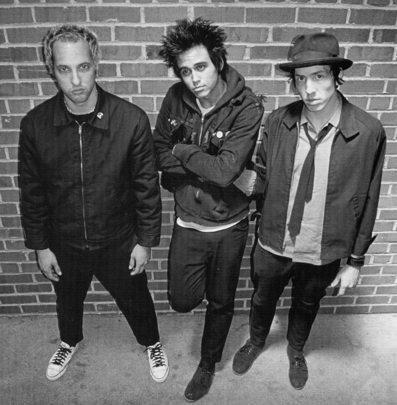
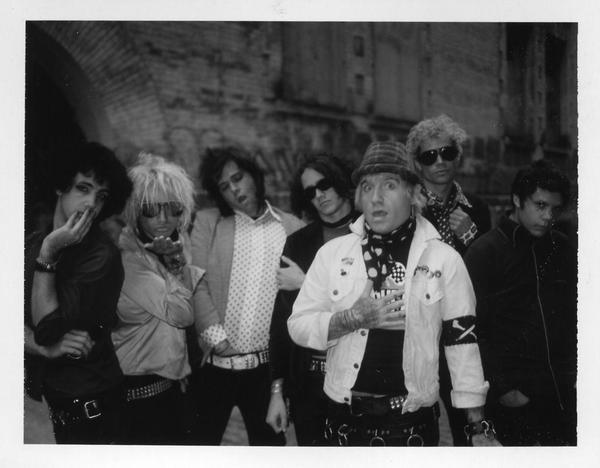
River City Rebels’ Spotify BioRiver City Rebels formed out of the unlikely town of Burlington, VT, in late 1997. With the original members of guitarist Dan "Bopper" O'Day and drummer Erik Schmidt and bassist Chris Jukosky, River City Rebels would endure a number of lineup changes before settling down with Ward Aimi (vocals), Brandon Rainier (trombone), Gabe Rich (guitar), and Dan McCool (trumpet). Resulting in a sound of street punk, ska undertones, and a politically inspired lyrical content, Victory Records eventually released River City's debut full-length, Racism, Religion, and War..., in 2000. Playin' to Live, Livin' to Play appeared the next summer, after which the band's lineup was cut down to six with O'Day picking up vocal duties. Their third full-length, No Good No Time No Pride, followed in October 2002, which then transitioned into the vintage N.Y.C. punk sounds (much more New York Dolls than the Clash this time around) of 2004's Hate to Be Loved. Having parted ways with Victory following the album's… release, River City Rebels hooked up with Rolling Thunder Records in early 2006 and began work on a new record; O'Day also released his first album of solo material, the acoustic-based Street Performance, that October via Springman. ~ Mike DaRonco, Rovi
Viberate is a music analytics platform built for A&Rs, artist managers, labels, booking agents, marketers, and artists.
It helps music professionals track artist growth, analyze audience data, monitor playlist activity, compare artists, follow song performance, and identify opportunities across the music market.
Public artist pages provide a free preview of selected artist data. Paid plans provide access to deeper analytics, historical data, charts, comparisons, playlist tools, exports, alerts, reports, and additional professional features.
Yes. Public Viberate artist pages provide selected artist analytics and music data for free.
Viberate also offers a 7-day free trial of the full platform. A credit card is required to start the trial. The trial includes access to the complete product so users can test deeper artist analytics, historical views, playlist insights, comparisons, charts, exports, alerts, and reporting features before choosing a paid plan.
Viberate provides artist analytics across streaming, playlists, social media, video, radio airplay, songs, and audience markets.
Users can analyze Spotify performance, Spotify and Apple Music playlists, YouTube activity, TikTok and Instagram growth, radio spins, song performance, audience locations, demographics, rankings, and overall artist momentum.
Artist profiles also connect to music charts, similar artists, and comparison tools, helping users benchmark performance and evaluate artists in context.
Viberate updates key artist and track data daily.
For followed artists and tracks, selected data is refreshed multiple times per day. This helps teams monitor playlist changes, streaming movement, audience growth, releases, and campaign performance with more current data.
Update frequency can vary depending on the metric and data source.
Yes. Viberate lets users compare up to five artists side by side across streaming, social media, audience, and engagement metrics.
Users can compare fanbase growth, audience demographics, locations, Spotify performance, social metrics, and other artist data over selected time periods.
Artist comparison can be used for A&R scouting, benchmarking, booking decisions, campaign planning, and evaluating artists with similar audiences or market positions.