One Man Army

Punk
Pop Punk
Punk Rock
 Viberate Rank: 347225
 Viberate Rank: 347225
 Monthly ListenersFollowers
 Subscribers
 Followers
 Followers
 FansTop Spotify Songs
| Track | 7-Day Streams | |
|---|---|---|
1 | 358 | |
2 | 292 | |
3 | 291 | |
4 | 221 | |
5 | 213 |
Top YouTube VideosMonthly ListenersFeatured in Playlists| Playlist | Followers | |
|---|---|---|
1 | Hip Hop Jazz marcstolz | 17.45K |
2 |  Skate 2 Soundtrack DYLAN LOGAN. | 14.52K |
3 |  Synthwave Anne Aesthetic | 5.11K |
4 | EA SKATE Soundtrack stevohc | 4.67K |
5 |  EA skate. 2 Soundtrack skate. | 3.59K |
Audience| City | Monthly Listeners | |
|---|---|---|
1 | | 77 |
2 | | 68 |
3 | | 45 |
4 | | 41 |
5 | | 35 |
See full performance history, audience data, playlist activity, rankings, comparisons, and more in Viberate music analytics. Start with a free trial, then continue with a paid plan.
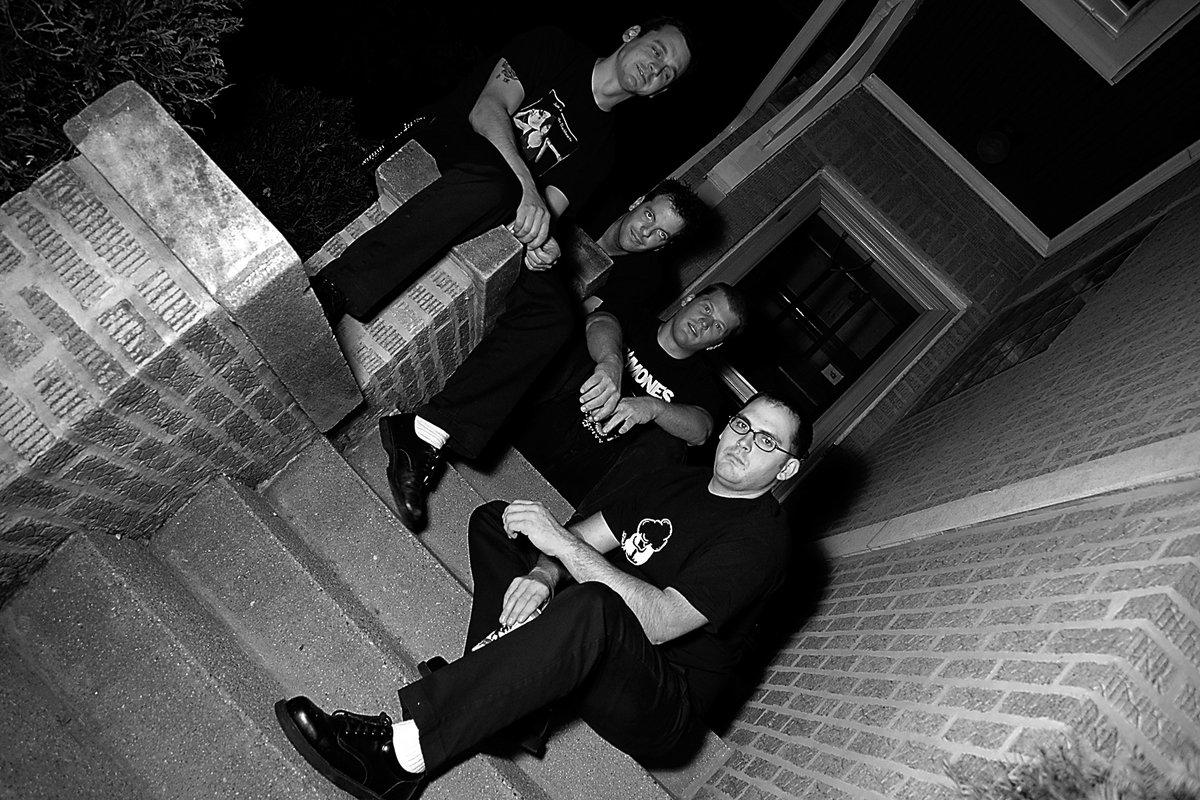
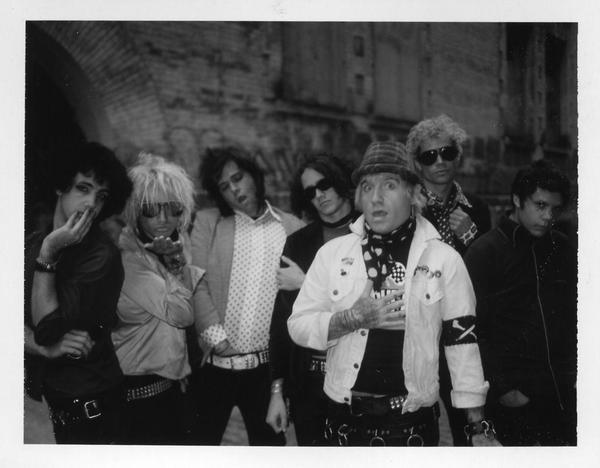
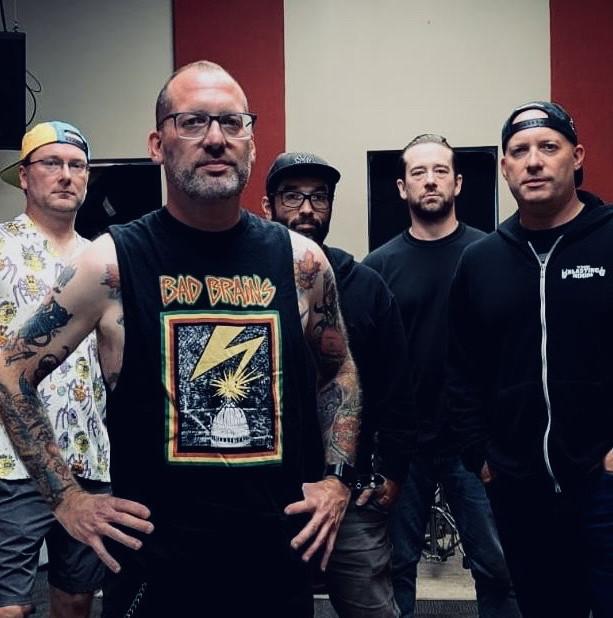
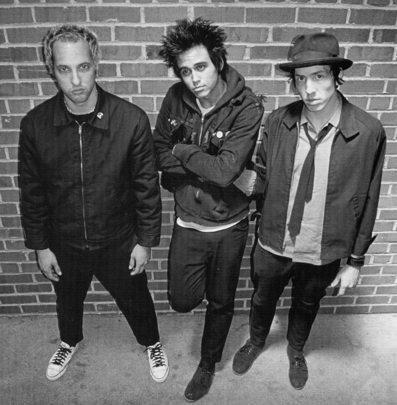
One Man Army’s Spotify BioDiscovered by Green Day's Billie Joe Armstrong in an East Bay club, San Francisco's One Man Army has the distinction of having the first release on Adeline Records, Armstrong's label. Begun by Jack Dalrymple (guitar/vocals), Brandon Pollack (drums), and James Kotter (bass), the band is known for blending old and new punk sounds and melding aggression and energy with catchy pop-punk. The group's midtempo songs are laced with Dalrymple's working-class lyrics. One Man Army made its full-length debut with Dead End Stories in 1998, produced by Kevin Army. After doing the Warped Tour, the band returned with Last Word Spoken in 2000, produced by Armstrong. Two years later, BYO issued the third album from the San Francisco trio, Rumors and Headlines. The live DVD Live at the Troubadour came out in April 2003 on Kung Fu, followed up a year later with the band's contribution to the BYO split series via a release with the Alkaline Trio. Together since 1996, rumors began spreading around 2003 that… the band had broken up; One Man Army officially called it quits in 2005. Dalrymple went on to play guitar with the Swingin' Utters, as well as perform in Dead to Me with Pollack. ~ Ron DePasquale, Rovi
Viberate is a music analytics platform built for A&Rs, artist managers, labels, booking agents, marketers, and artists.
It helps music professionals track artist growth, analyze audience data, monitor playlist activity, compare artists, follow song performance, and identify opportunities across the music market.
Public artist pages provide a free preview of selected artist data. Paid plans provide access to deeper analytics, historical data, charts, comparisons, playlist tools, exports, alerts, reports, and additional professional features.
Yes. Public Viberate artist pages provide selected artist analytics and music data for free.
Viberate also offers a 7-day free trial of the full platform. A credit card is required to start the trial. The trial includes access to the complete product so users can test deeper artist analytics, historical views, playlist insights, comparisons, charts, exports, alerts, and reporting features before choosing a paid plan.
Viberate provides artist analytics across streaming, playlists, social media, video, radio airplay, songs, and audience markets.
Users can analyze Spotify performance, Spotify and Apple Music playlists, YouTube activity, TikTok and Instagram growth, radio spins, song performance, audience locations, demographics, rankings, and overall artist momentum.
Artist profiles also connect to music charts, similar artists, and comparison tools, helping users benchmark performance and evaluate artists in context.
Viberate updates key artist and track data daily.
For followed artists and tracks, selected data is refreshed multiple times per day. This helps teams monitor playlist changes, streaming movement, audience growth, releases, and campaign performance with more current data.
Update frequency can vary depending on the metric and data source.
Yes. Viberate lets users compare up to five artists side by side across streaming, social media, audience, and engagement metrics.
Users can compare fanbase growth, audience demographics, locations, Spotify performance, social metrics, and other artist data over selected time periods.
Artist comparison can be used for A&R scouting, benchmarking, booking decisions, campaign planning, and evaluating artists with similar audiences or market positions.