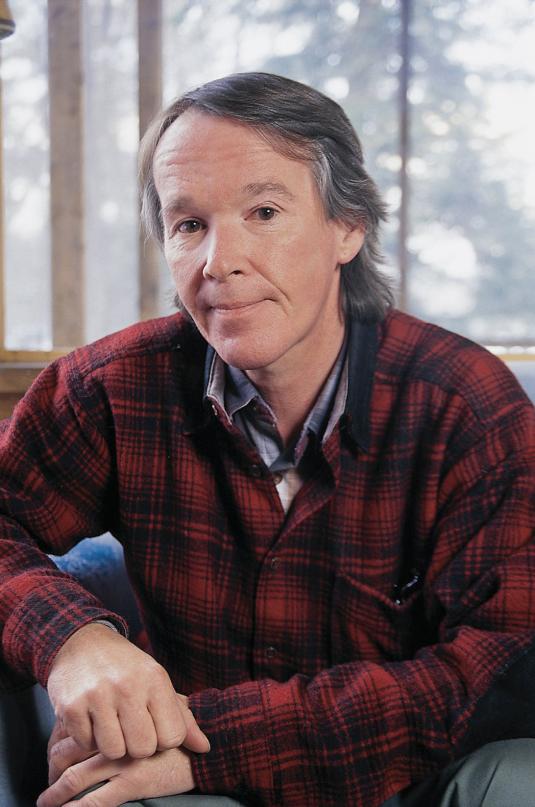
Richard Shindell

Country
Americana/Alt Country
Folk
 Viberate Rank: 184636
 Viberate Rank: 184636
 Monthly ListenersFollowers
 Subscribers
 Followers
 Followers
 FansTop Spotify Songs
| Track | 7-Day Streams | |
|---|---|---|
1 | 1.25K | |
2 | 1.09K | |
3 | 843 | |
4 | 743 | |
5 | 701 |
Top YouTube Videos| Video | 7-Day Views | |
|---|---|---|
1 | 104 | |
2 | 98 | |
3 | 97 | |
4 | 80 | |
5 | 73 |
Monthly ListenersFeatured in Playlists| Playlist | Followers | |
|---|---|---|
1 | Simon And Garfunkel's Greatest Hits* Tim Heal | 14.98K |
2 |  Bob Dylan Covers manacc | 5.02K |
3 | audiophile playlist FLAC notioneleven | 2.52K |
4 |  Songs to Test Headphones with - audiophile mega mix rwilliamson.family | 2.36K |
5 | xmplaylist | 2.00K |
Audience| City | Monthly Listeners | |
|---|---|---|
1 | | 345 |
2 | | 283 |
3 | | 244 |
4 | | 220 |
5 |  | 202 |
See full performance history, audience data, playlist activity, rankings, comparisons, and more in Viberate music analytics. Start with a free trial, then continue with a paid plan.
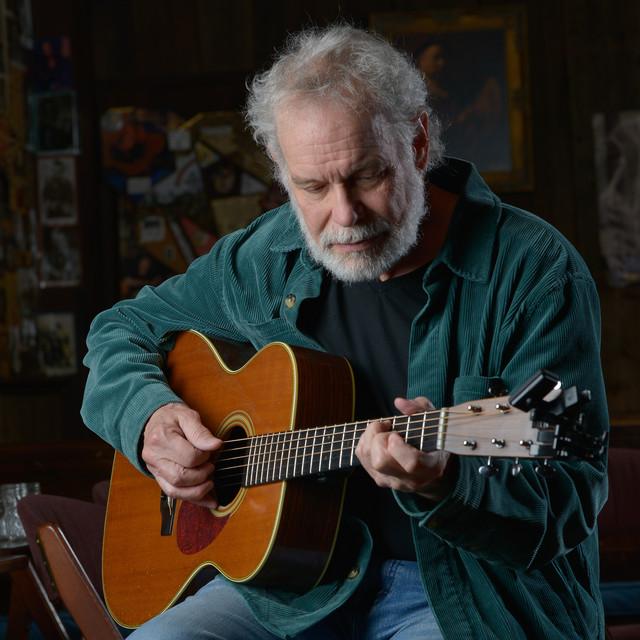
Richard Shindell’s Spotify BioAn enigmatic singer/songwriter whose work veers from the bitterly comic to the profoundly spiritual, Richard Shindell initially gained attention with the Fast Folk Musical Magazine series (which previously launched then-unknowns like Lyle Lovett and Nanci Griffith, as well). A native of Lakehurst, New Jersey, Shindell was a former seminary student whose first musical exposure came while playing guitar in the Razzy Dazzy Spasm Band alongside the young John Gorka; he began composing songs during the late 1980s, and quickly earned a word-of-mouth cult following. Signing with the Shanachie label, he issued his debut, Sparrow's Point, in 1992. Blue Divide followed two years later, and in 1997, Shindell's exposure was increased when Joan Baez covered three of his songs, including the title cut from his 1997 album Reunion Hill. He next teamed with Dar Williams and Lucy Kaplansky in the group Cry, Cry, Cry, issuing a self-titled LP of cover songs in 1998. After a couple of years touring with… this collaboration, Shindell began the millennium by signing a deal with Signature Sounds, which released his fourth solo album, Somewhere Near Paterson, in early 2000. A major life change also occurred around this time when Shindell's Argentinian wife relocated from New York to Buenos Aires. While a live album, Courier, was released in 2002, his next studio LP, Vuelta, wouldn't arrive until 2004. His first recording since moving to South America, the album saw Shindell collaborating with Argentine band Puente Celeste. He remained active through the remainder of the decade releasing the 2007 covers album South of Delia followed by another album of original music, 2009's Not Far Now. 2011's wryly titled 13 Songs You May or May Not Have Heard Before found the now veteran artist revisiting and revamping songs from earlier in his career. In 2015, Shindell reunited with former Cry, Cry, Cry bandmate Lucy Kaplansky to record Tomorrow You're Going, another collection of covers, this time featuring a variety of love songs. Splitting his time between New York's Hudson Valley and Buenos Aires, Shindell recorded Careless, a collection of new original material that was released in September 2016. ~ Jason Ankeny & Timothy Monger, Rovi
Viberate is a music analytics platform built for A&Rs, artist managers, labels, booking agents, marketers, and artists.
It helps music professionals track artist growth, analyze audience data, monitor playlist activity, compare artists, follow song performance, and identify opportunities across the music market.
Public artist pages provide a free preview of selected artist data. Paid plans provide access to deeper analytics, historical data, charts, comparisons, playlist tools, exports, alerts, reports, and additional professional features.
Yes. Public Viberate artist pages provide selected artist analytics and music data for free.
Viberate also offers a 7-day free trial of the full platform. A credit card is required to start the trial. The trial includes access to the complete product so users can test deeper artist analytics, historical views, playlist insights, comparisons, charts, exports, alerts, and reporting features before choosing a paid plan.
Viberate provides artist analytics across streaming, playlists, social media, video, radio airplay, songs, and audience markets.
Users can analyze Spotify performance, Spotify and Apple Music playlists, YouTube activity, TikTok and Instagram growth, radio spins, song performance, audience locations, demographics, rankings, and overall artist momentum.
Artist profiles also connect to music charts, similar artists, and comparison tools, helping users benchmark performance and evaluate artists in context.
Viberate updates key artist and track data daily.
For followed artists and tracks, selected data is refreshed multiple times per day. This helps teams monitor playlist changes, streaming movement, audience growth, releases, and campaign performance with more current data.
Update frequency can vary depending on the metric and data source.
Yes. Viberate lets users compare up to five artists side by side across streaming, social media, audience, and engagement metrics.
Users can compare fanbase growth, audience demographics, locations, Spotify performance, social metrics, and other artist data over selected time periods.
Artist comparison can be used for A&R scouting, benchmarking, booking decisions, campaign planning, and evaluating artists with similar audiences or market positions.