Lucy Kaplansky

Country
Americana/Alt Country
Folk
 Viberate Rank: 154151
 Viberate Rank: 154151
 Monthly ListenersFollowers
 Subscribers
 Followers
 Followers
 FansTop Spotify Songs
| Track | 7-Day Streams | |
|---|---|---|
1 | 1.33K | |
2 | 1.18K | |
3 | 1.14K | |
4 | 1.05K | |
5 | 1.02K |
Top YouTube VideosMonthly ListenersFeatured in Playlists| Playlist | Followers | |
|---|---|---|
1 | The Ultimate Cover Song Playlist Anna OBrien | 19.48K |
2 | Audiophile 101 - Music for Testing Speakers & Headphones Steve Gerrard | 12.00K |
3 |  This Is The Wailin' Jennys Spotify | 10.67K |
4 | Rainy Day Acoustic Chillout Michael Ancheta Legaspi | 8.13K |
5 | Toddler/Kids Sleep/Relax 💤 shannon.webber. | 7.46K |
Audience| City | Monthly Listeners | |
|---|---|---|
1 | | 230 |
2 | | 210 |
3 | | 188 |
4 | | 179 |
5 | | 164 |
See full performance history, audience data, playlist activity, rankings, comparisons, and more in Viberate music analytics. Start with a free trial, then continue with a paid plan.
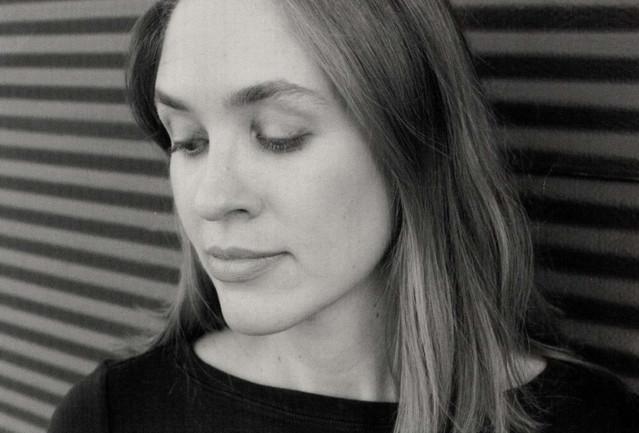
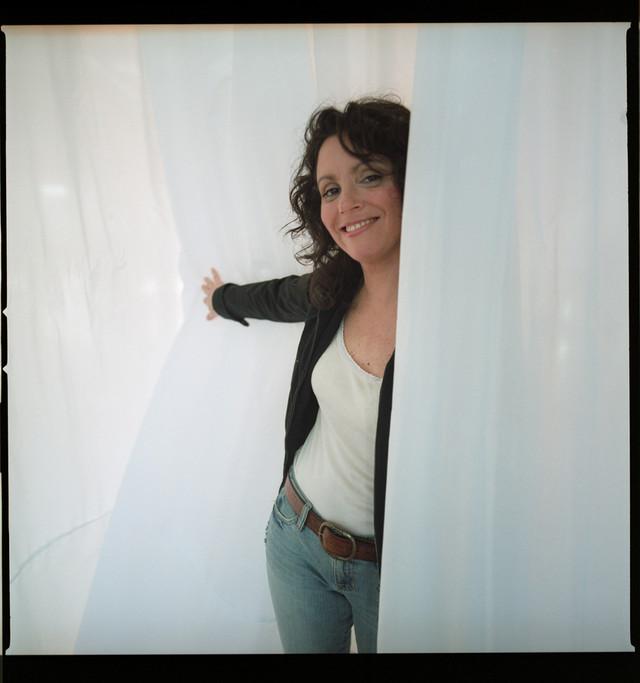
Lucy Kaplansky’s Spotify BioWhen Lucy Kaplansky was 18 years old, she shocked her neighbors in the Hyde Park area near the University of Chicago when, instead of going to college, she went to New York City with her boyfriend to become a folksinger. Fifteen years later, having become a clinical psychologist as well as a sought-after duet and harmony singer, she made another surprising decision: she gave up her private practice and her position at a New York hospital to pursue a full-time singing career.
Drawn to Greenwich Village in the late '70s by the resurgence of the folk scene, she became a regular at Gerde's Folk City. By 1982, she was a member of the CooP (later Fast Folk) and was featured on nine of the group's "musical magazines," along with Suzanne Vega, Shawn Colvin, John Gorka, Richard Shindell, and others. By 1983, however, Kaplansky had enrolled in New York University with the aim of becoming a psychologist. Well known on the folk scene for her crystalline harmonies, Kaplansky sang harmony vocals on N…anci Griffith's Lone Star State of Mind and Little Love Affairs albums and performed in New York clubs as a duo with Colvin while earning her Ph.D. from Yeshiva University. But when she and Colvin attracted attention from record companies, Kaplansky declined, becoming a staff psychologist at a New York hospital and establishing a private practice while Colvin recorded her first three albums for Columbia Records.
As a record of what Lucy had accomplished on the folk scene, and to give Colvin a chance to try her hand at production, the two collaborated on Kaplansky's first album, The Tide, comprising three of Kaplansky's own compositions and a collection of well-worn covers, including songs by Richard Thompson, Sting, and Robin Batteau. By 1994, when The Tide was released by Red House Records, Kaplansky decided to shift gears again and become a full-time touring folksinger. She spent much of the next few years playing the folk circuit of coffeehouses, church halls, and festivals, accompanying herself on guitar and performing in concert with Shindell and Gorka. In 1996, Red House Records released her second album, Flesh and Bone, produced by Anton Sanko (Vega's Solitude Standing and Days of Open Hand). It includes eight original songs (co-written with Kaplansky's husband, filmmaker Richard Litvin), as well as duets with Shindell and Gorka. Ten Year Night followed in 1999. Every Single Day appeared in 2001 on Red House Records, with Red Thread in 2004 and Over the Hills in 2007, both also on Red House. ~ Claire Keaveney, Rovi
Viberate is a music analytics platform built for A&Rs, artist managers, labels, booking agents, marketers, and artists.
It helps music professionals track artist growth, analyze audience data, monitor playlist activity, compare artists, follow song performance, and identify opportunities across the music market.
Public artist pages provide a free preview of selected artist data. Paid plans provide access to deeper analytics, historical data, charts, comparisons, playlist tools, exports, alerts, reports, and additional professional features.
Yes. Public Viberate artist pages provide selected artist analytics and music data for free.
Viberate also offers a 7-day free trial of the full platform. A credit card is required to start the trial. The trial includes access to the complete product so users can test deeper artist analytics, historical views, playlist insights, comparisons, charts, exports, alerts, and reporting features before choosing a paid plan.
Viberate provides artist analytics across streaming, playlists, social media, video, radio airplay, songs, and audience markets.
Users can analyze Spotify performance, Spotify and Apple Music playlists, YouTube activity, TikTok and Instagram growth, radio spins, song performance, audience locations, demographics, rankings, and overall artist momentum.
Artist profiles also connect to music charts, similar artists, and comparison tools, helping users benchmark performance and evaluate artists in context.
Viberate updates key artist and track data daily.
For followed artists and tracks, selected data is refreshed multiple times per day. This helps teams monitor playlist changes, streaming movement, audience growth, releases, and campaign performance with more current data.
Update frequency can vary depending on the metric and data source.
Yes. Viberate lets users compare up to five artists side by side across streaming, social media, audience, and engagement metrics.
Users can compare fanbase growth, audience demographics, locations, Spotify performance, social metrics, and other artist data over selected time periods.
Artist comparison can be used for A&R scouting, benchmarking, booking decisions, campaign planning, and evaluating artists with similar audiences or market positions.