Richard Kapp

Classical
Chamber Music
 Viberate Rank: 193275
 Viberate Rank: 193275
 Monthly ListenersFollowers
 Subscribers
 Followers
 Followers
 FansTop Spotify Songs
| Track | 7-Day Streams | |
|---|---|---|
1 | 35.22K | |
2 | 12.80K | |
3 | 3.48K | |
4 | 3.48K | |
5 | 3.07K |
Top YouTube VideosMonthly ListenersFeatured in Playlists| Playlist | Followers | |
|---|---|---|
1 |  Classical Music bangers 🔥🔥 Carlijn | 241.23K |
2 |  Classical Study Music for Focus 🎻🎶 Prime Feelings | 191.80K |
3 |  Pure Moods (1994 original release) Thomas Gette | 114.72K |
4 |  Classical music for villains Iremercia | 104.14K |
5 | Classical & Symphony Orchestra Adriansyah Wijaya | 47.77K |
Audience| City | Monthly Listeners | |
|---|---|---|
1 |  | 2.61K |
2 |  | 2.29K |
3 |  | 1.93K |
4 |  | 1.56K |
5 |  | 1.53K |
See full performance history, audience data, playlist activity, rankings, comparisons, and more in Viberate music analytics. Start with a free trial, then continue with a paid plan.
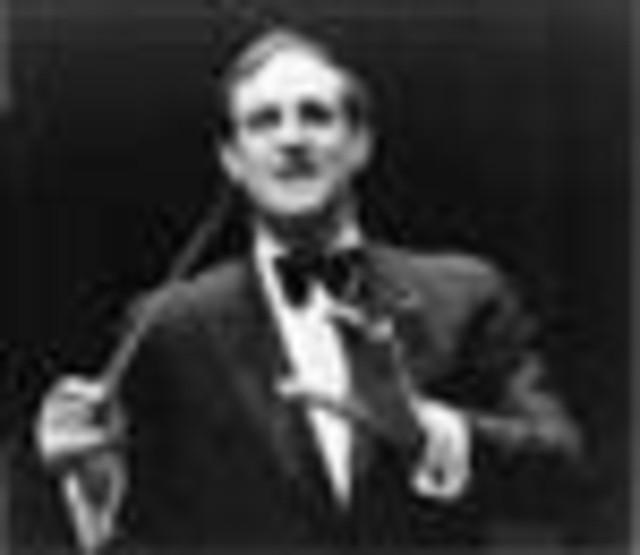
Richard Kapp’s Spotify BioRichard Kapp was one of the more unique conductors of his age, viewing music as enjoyment and not as an angst-laden endeavor. He thus chose to focus on less-serious, less-cerebral compositions and became an iconic figure in that brighter world of classical music. Kapp had long been identified with the chamber group he founded, the Philharmonia Virtuosi of New York. With them he recorded a series of popular recordings dubbed by the label Columbia Masterworks as greatest-hits albums. The first, made in 1977, was one of the best-selling recordings of its time, The Greatest Hits of 1720. Kapp led his orchestra in numerous concerts in the New York area over the years and made many recordings for a variety of labels, including the aforementioned Columbia, Vox (and subsidiary labels Candide and Turnabout), Murray Hill, and his own ESS.AY.
Kapp was born on October 9, 1936, in Chicago into a musical family. Despite prodigious talent on the piano in his youth, Kapp studied German history at Johns… Hopkins University. After his 1957 graduation, he enrolled at the Stuttgart Staatliche Hochschule für Musik, where he studied piano, conducting, and composition. From 1960-1962 he worked as repetiteur at the Basel Stadttheater (Switzerland), then served as music director at the Manhattan School of Music's Opera Theater (1963-1965).
Though he would waver again, earning a law degree from New York University, he eventually chose music as his primary career when in 1968 he founded the Philharmonia Virtuosi. Its membership was mostly made up of players of exceptional talent, and soon Kapp was able to attract soloists of international renown. The ensemble played many of its concerts at Town Hall, the Metropolitan Museum of Art, and other major sites in the New York area.
After his 1977 Greatest Hits album, Kapp had become a celebrity and subsequent recordings also drew attention, though not quite the high sales figures. The Greatest Hits of the 1900s, issued in 1986, was the last of the greatest-hits releases by Columbia. Kapp continued to record with some success and led the group in regular concerts until he was diagnosed with cancer in 2004. Many of Kapp's recordings are still appearing in reissues; among the most recent of them is the 2006 CD on ESS.AY, Fasch: Three Suites for Orchestra, on which Kapp leads another group he was associated with, Kiev Pro Musica.
Viberate is a music analytics platform built for A&Rs, artist managers, labels, booking agents, marketers, and artists.
It helps music professionals track artist growth, analyze audience data, monitor playlist activity, compare artists, follow song performance, and identify opportunities across the music market.
Public artist pages provide a free preview of selected artist data. Paid plans provide access to deeper analytics, historical data, charts, comparisons, playlist tools, exports, alerts, reports, and additional professional features.
Yes. Public Viberate artist pages provide selected artist analytics and music data for free.
Viberate also offers a 7-day free trial of the full platform. A credit card is required to start the trial. The trial includes access to the complete product so users can test deeper artist analytics, historical views, playlist insights, comparisons, charts, exports, alerts, and reporting features before choosing a paid plan.
Viberate provides artist analytics across streaming, playlists, social media, video, radio airplay, songs, and audience markets.
Users can analyze Spotify performance, Spotify and Apple Music playlists, YouTube activity, TikTok and Instagram growth, radio spins, song performance, audience locations, demographics, rankings, and overall artist momentum.
Artist profiles also connect to music charts, similar artists, and comparison tools, helping users benchmark performance and evaluate artists in context.
Viberate updates key artist and track data daily.
For followed artists and tracks, selected data is refreshed multiple times per day. This helps teams monitor playlist changes, streaming movement, audience growth, releases, and campaign performance with more current data.
Update frequency can vary depending on the metric and data source.
Yes. Viberate lets users compare up to five artists side by side across streaming, social media, audience, and engagement metrics.
Users can compare fanbase growth, audience demographics, locations, Spotify performance, social metrics, and other artist data over selected time periods.
Artist comparison can be used for A&R scouting, benchmarking, booking decisions, campaign planning, and evaluating artists with similar audiences or market positions.