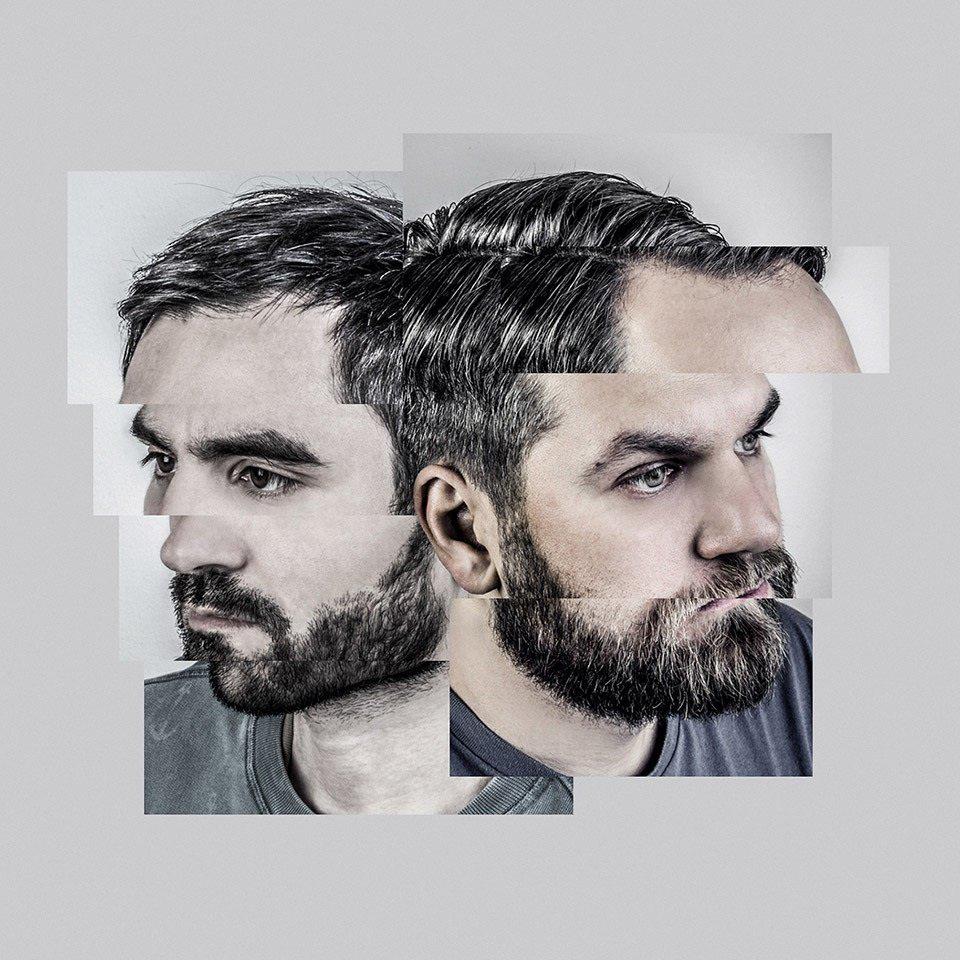
Richard Devine

Electronic
Downtempo
Other Electronic Music
 Viberate Rank: 49042
 Viberate Rank: 49042
 Monthly ListenersFollowers
 Subscribers
 Followers
 Followers
 FansTop Spotify Songs
| Track | 7-Day Streams | |
|---|---|---|
1 | 506 | |
2 | 185 | |
3 | 120 | |
4 | 77 | |
5 | 66 |
Top YouTube VideosMonthly ListenersFeatured in Playlists| Playlist | Followers | |
|---|---|---|
1 |  IDM Essentials Spotify | 204.19K |
2 |  IDM - Intelligent Dance Music aka Braindance Sacred Ink | 23.56K |
3 |  Warp Records andy_phology | 16.72K |
4 | IDM Skyler Bubier | 7.57K |
5 |  mv.badass.mess mistermv | 6.75K |
Audience| City | Monthly Listeners | |
|---|---|---|
1 |  | 65 |
2 | | 40 |
3 |  | 38 |
4 |  | 38 |
5 | | 31 |
See full performance history, audience data, playlist activity, rankings, comparisons, and more in Viberate music analytics. Start with a free trial, then continue with a paid plan.
Richard Devine’s Spotify BioAfter a break of 6 years, Atlanta based electronic musician, producer and sound designer Richard Devine returns with a new album ‘Sort\Lave’ on Venetian Snares‘ Timesig imprint. Recorded between 2016 and 2017 using Richard’s custom built Eurorack modular system and two Nord G2 Modular units, Sort\Lave features 12 tracks of intricate electronica that ranges from abrasive percussive experiments such as ‘Revsic‘ to ‘Astra’s dazzling juxtaposition of sounds and onto the radiant ambience of the album’s closer ‘Takara‘.
Making his debut in 1995, Devine’s releases for labels including Schematic, Warp Records and Detroit Underground have established him as one of the leading figures within the electronica community. In addition to his musical productions, Devine has enjoyed a lengthy and successful career in sound design, developing patches for many of the world’s leading music technology businesses and working with companies such as Google and Nike.
Link to Pre-order:… https://richarddevine.bandcamp.com/album/sort-lave
Viberate is a music analytics platform built for A&Rs, artist managers, labels, booking agents, marketers, and artists.
It helps music professionals track artist growth, analyze audience data, monitor playlist activity, compare artists, follow song performance, and identify opportunities across the music market.
Public artist pages provide a free preview of selected artist data. Paid plans provide access to deeper analytics, historical data, charts, comparisons, playlist tools, exports, alerts, reports, and additional professional features.
Yes. Public Viberate artist pages provide selected artist analytics and music data for free.
Viberate also offers a 7-day free trial of the full platform. A credit card is required to start the trial. The trial includes access to the complete product so users can test deeper artist analytics, historical views, playlist insights, comparisons, charts, exports, alerts, and reporting features before choosing a paid plan.
Viberate provides artist analytics across streaming, playlists, social media, video, radio airplay, songs, and audience markets.
Users can analyze Spotify performance, Spotify and Apple Music playlists, YouTube activity, TikTok and Instagram growth, radio spins, song performance, audience locations, demographics, rankings, and overall artist momentum.
Artist profiles also connect to music charts, similar artists, and comparison tools, helping users benchmark performance and evaluate artists in context.
Viberate updates key artist and track data daily.
For followed artists and tracks, selected data is refreshed multiple times per day. This helps teams monitor playlist changes, streaming movement, audience growth, releases, and campaign performance with more current data.
Update frequency can vary depending on the metric and data source.
Yes. Viberate lets users compare up to five artists side by side across streaming, social media, audience, and engagement metrics.
Users can compare fanbase growth, audience demographics, locations, Spotify performance, social metrics, and other artist data over selected time periods.
Artist comparison can be used for A&R scouting, benchmarking, booking decisions, campaign planning, and evaluating artists with similar audiences or market positions.