Michael Fakesch

Electronic
Downtempo
Other Electronic Music
 Viberate Rank: 474602
 Viberate Rank: 474602
 Monthly ListenersFollowers
 Subscribers
 Followers
 Followers
 FansTop Spotify Songs
| Track | 7-Day Streams | |
|---|---|---|
1 | 461 | |
2 | 97 | |
3 | 30 | |
4 | 19 | |
5 | 13 |
Top YouTube VideosMonthly ListenersFeatured in Playlists| Playlist | Followers | |
|---|---|---|
1 |  IDM Essentials Spotify | 204.19K |
2 |  Heard in Berghain Lady Jack | 5.28K |
3 | 🎧 Material Sound Gloria del Mar | 3.56K |
4 |  sounds like BOARDS OF CANADA wwwehtam | 2.62K |
5 |  ▪️◼️🟨 R4: RIDGE RACER TYPE 4 (THE NEXT EVOLUTION) 🟨 v*rg | 2.05K |
Audience| City | Monthly Listeners | |
|---|---|---|
1 |  | 24 |
2 |  | 20 |
3 | | 19 |
4 |  | 18 |
5 | | 15 |
See full performance history, audience data, playlist activity, rankings, comparisons, and more in Viberate music analytics. Start with a free trial, then continue with a paid plan.
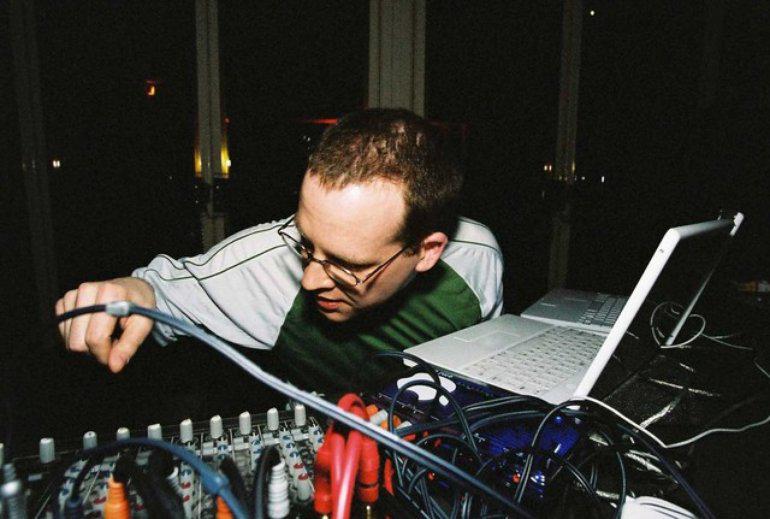
Michael Fakesch’s Spotify BioMunich-based producer Michael Fakesch's work is more widely known via Funkstorung, the name he records under with partner Chris De Luca. Funkstorung have released almost a dozen records in just three years together, mostly through the obscure Acid Planet imprint and, more recently, their own label Musik Aus Strom. Funkstorung's records typically deploy a dark, rough, hard-edged electro aesthetic vaguely reminiscent of a slightly less obsessive Autechre. Fakesch's solo work, however, while retaining the gritty production values, pursues a bleaker, far more introverted tack, with a studied focus on melody and slower, more plodding rhythms. Fakesch followed a not uncommon progression from late '80s hip-hop (Public Enemy, Paris) and old-school electro (Grandmaster Flash, Man Parrish) -- he was a semi-professional breakdancer -- to the techno explosion that took hold in Germany in the early '90s. His solo output to date consists of the two-part Demon EP (1997) and the 1999 full-length… Marion. ~ Sean Cooper, Rovi
Viberate is a music analytics platform built for A&Rs, artist managers, labels, booking agents, marketers, and artists.
It helps music professionals track artist growth, analyze audience data, monitor playlist activity, compare artists, follow song performance, and identify opportunities across the music market.
Public artist pages provide a free preview of selected artist data. Paid plans provide access to deeper analytics, historical data, charts, comparisons, playlist tools, exports, alerts, reports, and additional professional features.
Yes. Public Viberate artist pages provide selected artist analytics and music data for free.
Viberate also offers a 7-day free trial of the full platform. A credit card is required to start the trial. The trial includes access to the complete product so users can test deeper artist analytics, historical views, playlist insights, comparisons, charts, exports, alerts, and reporting features before choosing a paid plan.
Viberate provides artist analytics across streaming, playlists, social media, video, radio airplay, songs, and audience markets.
Users can analyze Spotify performance, Spotify and Apple Music playlists, YouTube activity, TikTok and Instagram growth, radio spins, song performance, audience locations, demographics, rankings, and overall artist momentum.
Artist profiles also connect to music charts, similar artists, and comparison tools, helping users benchmark performance and evaluate artists in context.
Viberate updates key artist and track data daily.
For followed artists and tracks, selected data is refreshed multiple times per day. This helps teams monitor playlist changes, streaming movement, audience growth, releases, and campaign performance with more current data.
Update frequency can vary depending on the metric and data source.
Yes. Viberate lets users compare up to five artists side by side across streaming, social media, audience, and engagement metrics.
Users can compare fanbase growth, audience demographics, locations, Spotify performance, social metrics, and other artist data over selected time periods.
Artist comparison can be used for A&R scouting, benchmarking, booking decisions, campaign planning, and evaluating artists with similar audiences or market positions.