Rialto

Pop
Mainstream Pop
 Viberate Rank: 149404
 Viberate Rank: 149404
 Monthly ListenersFollowers
 Subscribers
 Followers
 Followers
 FansTop Spotify Songs
| Track | 7-Day Streams | |
|---|---|---|
1 | 8.57K | |
2 | 2.80K | |
3 | 1.88K | |
4 | 854 | |
5 | 816 |
Top YouTube VideosMonthly ListenersFeatured in Playlists| Playlist | Followers | |
|---|---|---|
1 |  Ekdom's Platenkast Gerard Ekdom | 16.15K |
2 |  COME OUT AND PLAY 80's - 90's JerBid | 6.83K |
3 | recrent | 6.12K |
4 | Shine (90s indie) Compilations 1-10 sillylittleman | 5.59K |
5 | Dermot o'Leary Tim Casey | 4.89K |
Audience| City | Monthly Listeners | |
|---|---|---|
1 |  | 1.46K |
2 | | 1.44K |
3 |  | 799 |
4 | | 782 |
5 | | 487 |
See full performance history, audience data, playlist activity, rankings, comparisons, and more in Viberate music analytics. Start with a free trial, then continue with a paid plan.
Rialto’s Spotify BioAfter 24 years, Rialto are back with the nocturnal party prowl No One Leaves This Discotheque Alive and a new album Neon And Ghost Signs set for 24th April 2025.
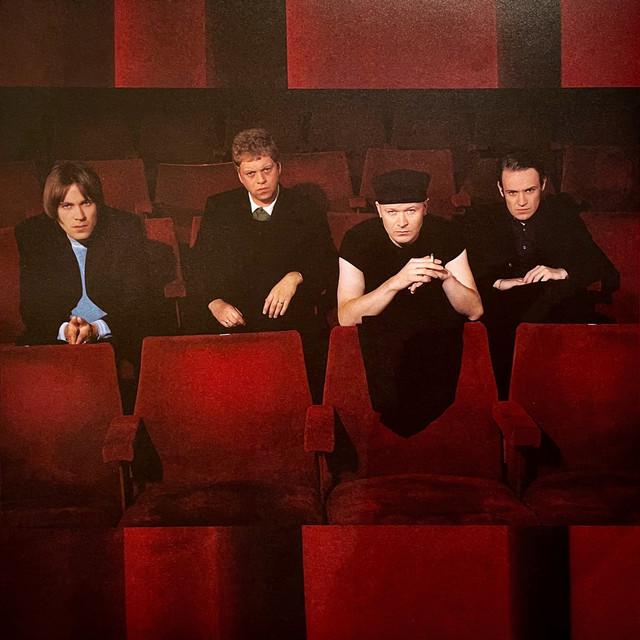
Formed in 1996, they took their name from a defunct British cinema chain -"The music would sound perfect in a dilapidated theatre with torn, red velvet seats" said songwriter Louis Eliot.
They honed their first album on 8 track tape, in guitarist Jonny Bull's South London flat. Eliot's lyrics had a narrative bent, describing late night London with yearning romanticism and Bull's production drew on a love of The Beach Boys, John Barry and Ennio Morricone.
The band found favour with critics; Melody Maker anticipating "a fairytale future of Oasis-like proportions" and Neil McCormick of The Telegraph noting they were "among the most critically acclaimed new groups to emerge" in the late 1990s, making "carefully crafted, Beatlesque pop, with an epic, cinematic sound and slightly sinister lyrics". After some record label hopscotch,… the debut album was released in 1998, with Night on Earth following in 2001. They had 3 UK top 40 singles, including Top 20 Untouchable, and found a loyal following in South East Asia, bringing double platinum sales. The group disbanded in 2002 and Eliot went on to release solo albums under both Louis Eliot and Louis Eliot & The Embers. Since 2011 he has been a member of Grace Jones's band. Rialto will be touring again in 2025 to promote their new album Neon and Ghost Signs.
Viberate is a music analytics platform built for A&Rs, artist managers, labels, booking agents, marketers, and artists.
It helps music professionals track artist growth, analyze audience data, monitor playlist activity, compare artists, follow song performance, and identify opportunities across the music market.
Public artist pages provide a free preview of selected artist data. Paid plans provide access to deeper analytics, historical data, charts, comparisons, playlist tools, exports, alerts, reports, and additional professional features.
Yes. Public Viberate artist pages provide selected artist analytics and music data for free.
Viberate also offers a 7-day free trial of the full platform. A credit card is required to start the trial. The trial includes access to the complete product so users can test deeper artist analytics, historical views, playlist insights, comparisons, charts, exports, alerts, and reporting features before choosing a paid plan.
Viberate provides artist analytics across streaming, playlists, social media, video, radio airplay, songs, and audience markets.
Users can analyze Spotify performance, Spotify and Apple Music playlists, YouTube activity, TikTok and Instagram growth, radio spins, song performance, audience locations, demographics, rankings, and overall artist momentum.
Artist profiles also connect to music charts, similar artists, and comparison tools, helping users benchmark performance and evaluate artists in context.
Viberate updates key artist and track data daily.
For followed artists and tracks, selected data is refreshed multiple times per day. This helps teams monitor playlist changes, streaming movement, audience growth, releases, and campaign performance with more current data.
Update frequency can vary depending on the metric and data source.
Yes. Viberate lets users compare up to five artists side by side across streaming, social media, audience, and engagement metrics.
Users can compare fanbase growth, audience demographics, locations, Spotify performance, social metrics, and other artist data over selected time periods.
Artist comparison can be used for A&R scouting, benchmarking, booking decisions, campaign planning, and evaluating artists with similar audiences or market positions.