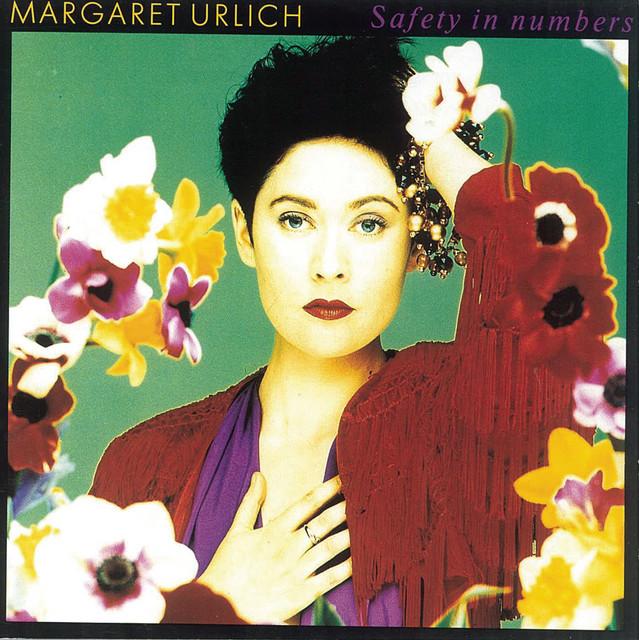
Renee Geyer

Jazz
Smooth Jazz
Reggae Fusion
 Viberate Rank: 129898
 Viberate Rank: 129898
 Monthly ListenersFollowers
 Subscribers
 Followers
 Followers
 FansTop Spotify Songs
| Track | 7-Day Streams | |
|---|---|---|
1 | 13.52K | |
2 | 11.88K | |
3 | 5.65K | |
4 | 4.74K | |
5 | 4.28K |
Top YouTube VideosMonthly ListenersFeatured in Playlists| Playlist | Followers | |
|---|---|---|
1 | Māori Shed Party 🤙🏽 Tyra Dunn | 98.86K |
2 |  100 Greatest Soul Songs Topsify Australia | 37.35K |
3 |  Aussie 80's Pub Classics mikestomcat | 37.35K |
4 |  🪐Floating Points Turntable🪐 Floating Points | 35.37K |
5 |  Ben Watt's SpinCycle Ben Watt | 23.18K |
Audience| City | Monthly Listeners | |
|---|---|---|
1 |  | 18.72K |
2 | | 8.72K |
3 | | 8.21K |
4 | | 7.58K |
5 | | 6.07K |
See full performance history, audience data, playlist activity, rankings, comparisons, and more in Viberate music analytics. Start with a free trial, then continue with a paid plan.
Renee Geyer’s Spotify BioRenée Geyer was Australia's most respected and successful soul singer, with a recording career of nearly 30 years. Her career began around 1971 in Sydney, when a girlfriend took her along to the rehearsal of friends who were forming a band. Geyer was encouraged to get up and have a sing and was instantly invited to join. Although she was so shy in the beginning she couldn't face the audience, musicians noticed her, and Geyer was invited to join one more-experienced band after another until 1971, when she became part of an ambitious jazz fusion group called Sun. She was still just 19.
After one album (Sun '72), Sun and Geyer parted company; Geyer eventually found herself part of a group called Mother Earth, still with jazz leanings but also incorporating the soul and R&B Geyer loved and excelled at. With Mother Earth, she started touring and was offered a solo recording contract. She insisted that Mother Earth provide the backings on her first album. For her second album, the cream of… Melbourne musicians were assembled for the sessions. The singer formed such a strong bond with these musicians that by the time the It's a Man's World album was released and her powerfully provocative version of the James Brown title song was a big hit, Geyer was ready to throw her lot in with them rather than be a solo performer.
Apart from the single "Heading in the Right Direction," her two solo albums so far had been cover versions or sourced songs. The Renée Geyer Band wrote original material for 1975's Ready to Deal album in the studio and toured extensively. A live album, Really Really Love You, followed, based on Geyer's building reputation as a powerfully voiced, provocative performer.
That reputation found its way to America and led to an invitation to record an album in Los Angeles with famed Motown producer Frank Wilson. While the Movin' Along album provided another hit at home, Stares and Whispers created confusion in America. R&B stations loved the record but didn't know what to do when they discovered Geyer was a white Jewish girl from Australia. For the next few years, Geyer bounced between Australia and America, working Down Under and recording two more albums in the U.S. When 1981's So Lucky album presented her with a huge hit, "Say I Love You," in both Australia and New Zealand, it became necessary to put the American dream aside for two years. In 1983, Geyer returned to base herself in America permanently, still keeping in touch with her Australasian fans with tours.
While in the U.S., Geyer became part of a group called Easy Pieces with former members of the Average White Band. But the album took so long to record, by the time it was finished, the group had never performed and were going their separate ways. Geyer spent several years doing session work for Sting (the fade vocal on "We'll Be Together"), Neil Diamond, Jackson Browne, and others, touring with the likes of Joe Cocker and Chaka Khan, and writing songs.
During one foray back to Australia, Geyer was invited to sing the Paul Kelly song "Foggy Highway" for the soundtrack of a TV series based on the seven deadly sins. Kelly was so impressed by her version, he offered to produce an album (1994's Difficult Woman) and wrote some of the songs, including the title track, which -- alongside "It's a Man's Man's World" -- became a signature song for Geyer. The working relationship with Paul Kelly was such a happy and satisfying one, Geyer decided to mover her base back in Australia. With Paul Kelly and Joe Camilleri (Jo Jo Zep, Black Sorrows) producing, she then recorded 1999's Sweet Life album.
At the end of 1999, Geyer published her frank life story, Confessions of a Difficult Woman, through Harper Collins. Renée Geyer died on January 17, 2022 in Melbourne after being diagnosed with lung cancer; she was 69 years of age. ~ Ed Nimmervoll, Rovi
Viberate is a music analytics platform built for A&Rs, artist managers, labels, booking agents, marketers, and artists.
It helps music professionals track artist growth, analyze audience data, monitor playlist activity, compare artists, follow song performance, and identify opportunities across the music market.
Public artist pages provide a free preview of selected artist data. Paid plans provide access to deeper analytics, historical data, charts, comparisons, playlist tools, exports, alerts, reports, and additional professional features.
Yes. Public Viberate artist pages provide selected artist analytics and music data for free.
Viberate also offers a 7-day free trial of the full platform. A credit card is required to start the trial. The trial includes access to the complete product so users can test deeper artist analytics, historical views, playlist insights, comparisons, charts, exports, alerts, and reporting features before choosing a paid plan.
Viberate provides artist analytics across streaming, playlists, social media, video, radio airplay, songs, and audience markets.
Users can analyze Spotify performance, Spotify and Apple Music playlists, YouTube activity, TikTok and Instagram growth, radio spins, song performance, audience locations, demographics, rankings, and overall artist momentum.
Artist profiles also connect to music charts, similar artists, and comparison tools, helping users benchmark performance and evaluate artists in context.
Viberate updates key artist and track data daily.
For followed artists and tracks, selected data is refreshed multiple times per day. This helps teams monitor playlist changes, streaming movement, audience growth, releases, and campaign performance with more current data.
Update frequency can vary depending on the metric and data source.
Yes. Viberate lets users compare up to five artists side by side across streaming, social media, audience, and engagement metrics.
Users can compare fanbase growth, audience demographics, locations, Spotify performance, social metrics, and other artist data over selected time periods.
Artist comparison can be used for A&R scouting, benchmarking, booking decisions, campaign planning, and evaluating artists with similar audiences or market positions.