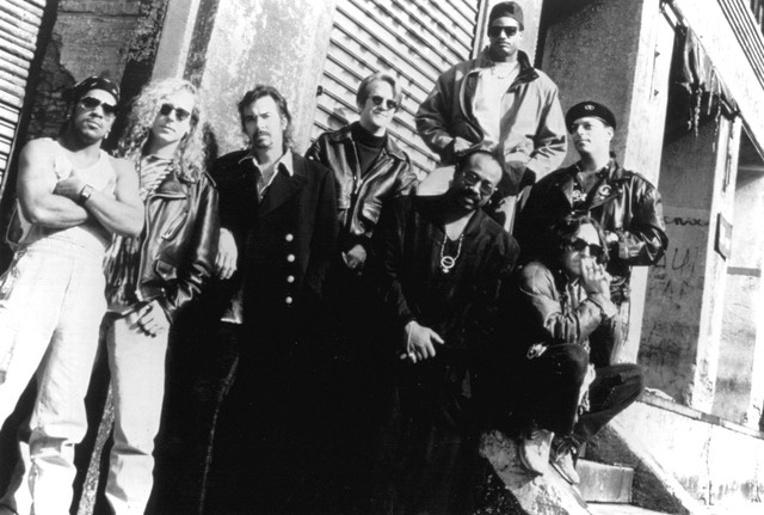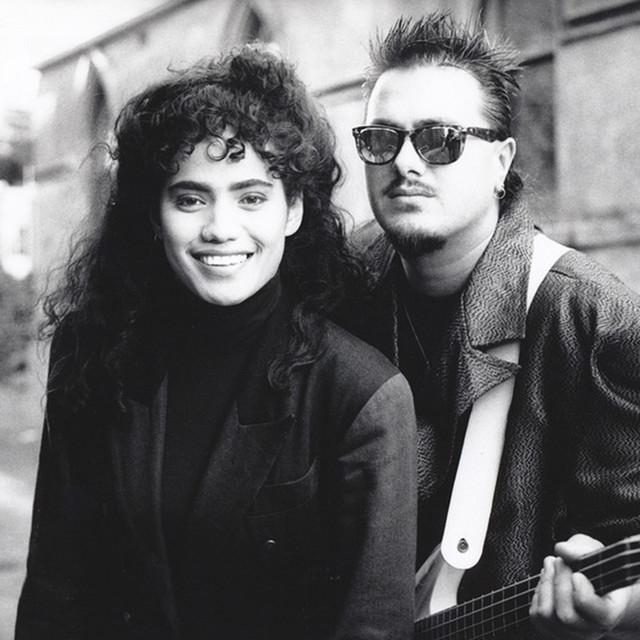
Grayson Hugh

R&B
Soul
Progressive Rock
 Viberate Rank: 136368
 Viberate Rank: 136368
 Monthly ListenersFollowers
 Subscribers
 Followers
 Followers
 FansTop Spotify Songs
| Track | 7-Day Streams | |
|---|---|---|
1 | 41.29K | |
2 | 489 | |
3 | 232 | |
4 | 223 | |
5 | 132 |
Top YouTube VideosMonthly ListenersFeatured in Playlists| Playlist | Followers | |
|---|---|---|
1 |  The Morning Shift Friday Forgotten Bangers TheMorningShift | 111.96K |
2 | Māori Shed Party 🤙🏽 Tyra Dunn | 98.83K |
3 | NZ OLD SCHOOL JAMS hayleymorice | 33.28K |
4 |  NZ Garage Drinking Sounds Hayden Barton | 21.69K |
5 |  80s-90s Rnb Classics🔥 Pauly Rak | 20.96K |
Audience| City | Monthly Listeners | |
|---|---|---|
1 |  | 17.43K |
2 |  | 9.65K |
3 | | 6.93K |
4 | | 5.71K |
5 | | 5.08K |
See full performance history, audience data, playlist activity, rankings, comparisons, and more in Viberate music analytics. Start with a free trial, then continue with a paid plan.
Grayson Hugh’s Spotify BioThis elusive, Connecticut vocalist, pianist, and songwriter initially excited soul fans in 1988 with his second album, Blind to Reason, which was closer to gritty, gospel-tinged soul than almost anyone was cutting at that time. The single "Talk It Over" made the pop Top 20, and both the single and album went gold. Grayson Hugh assembled a band and toured incessantly. Due to record company machinations, Hugh's second effort, Road to Freedom, landed on MCA in 1992. Two of its tracks, "I Can't Untie You from Me" and "Don't Look Back," were selected by director Ridley Scott for the soundtrack to his film Thelma and Louise. The former cut in particular resonated with audiences, and brought Hugh's voice and signature singing style -- which evoked everything from soul and gospel to country, blues, and old-school R&B -- to a much larger audience. The album was selected by Billboard editor Jim Bessman, as among the "Ten Best of 1992." Hugh's voice also got him the attention of director Jon… Avnet, who requested he cut a version of Bob Dylan's "I'll Remember You" for his film Fried Green Tomatoes. Hugh arranged the song in the Southern gospel style; the track ended up as one of the soundtrack's highlights. Despite the acclaim and sales of Road to Freedom, Hugh was dropped by MCA after his A&R man left the company (all of the rep's acts were released). Disillusioned with the music business, he virtually disappeared from the pop music scene for nearly two decades. He spent his time teaching songwriting at the Berklee College of Music and writing scores for dance companies in Boston. Hugh re-emerged with 2010's independently released, stellar An American Record, a collection of all-original material that reflected the wide variety of his taste. He also began touring again. The album, though not widely circulated, was free from major-label input. Hugh's instincts were solid in creating the most consistent, creative, and sophisticated album in his career to date. ~ Thom Jurek, Rovi
Viberate is a music analytics platform built for A&Rs, artist managers, labels, booking agents, marketers, and artists.
It helps music professionals track artist growth, analyze audience data, monitor playlist activity, compare artists, follow song performance, and identify opportunities across the music market.
Public artist pages provide a free preview of selected artist data. Paid plans provide access to deeper analytics, historical data, charts, comparisons, playlist tools, exports, alerts, reports, and additional professional features.
Yes. Public Viberate artist pages provide selected artist analytics and music data for free.
Viberate also offers a 7-day free trial of the full platform. A credit card is required to start the trial. The trial includes access to the complete product so users can test deeper artist analytics, historical views, playlist insights, comparisons, charts, exports, alerts, and reporting features before choosing a paid plan.
Viberate provides artist analytics across streaming, playlists, social media, video, radio airplay, songs, and audience markets.
Users can analyze Spotify performance, Spotify and Apple Music playlists, YouTube activity, TikTok and Instagram growth, radio spins, song performance, audience locations, demographics, rankings, and overall artist momentum.
Artist profiles also connect to music charts, similar artists, and comparison tools, helping users benchmark performance and evaluate artists in context.
Viberate updates key artist and track data daily.
For followed artists and tracks, selected data is refreshed multiple times per day. This helps teams monitor playlist changes, streaming movement, audience growth, releases, and campaign performance with more current data.
Update frequency can vary depending on the metric and data source.
Yes. Viberate lets users compare up to five artists side by side across streaming, social media, audience, and engagement metrics.
Users can compare fanbase growth, audience demographics, locations, Spotify performance, social metrics, and other artist data over selected time periods.
Artist comparison can be used for A&R scouting, benchmarking, booking decisions, campaign planning, and evaluating artists with similar audiences or market positions.