Renato Bruson

Classical
Opera
 Viberate Rank: 319409
 Viberate Rank: 319409
 Monthly ListenersFollowers
 Subscribers
 Followers
 Followers
 FansTop Spotify Songs
| Track | 7-Day Streams | |
|---|---|---|
1 | 2.75K | |
2 | 1.91K | |
3 | 478 | |
4 | 357 | |
5 | 262 |
Top YouTube VideosMonthly ListenersFeatured in Playlists| Playlist | Followers | |
|---|---|---|
1 |  This Is Verdi Spotify | 91.24K |
2 |  Les plus grands airs d'opéra Erato France | 12.65K |
3 |  The 50 Greatest Opera Arias x5musicgroup | 7.66K |
4 |  Grand Opera Sony Classical & Jazz Sweden | 5.61K |
5 |  Radio 4 Klassieke Top 400 - 2020 Maikel van Hinthem | 2.18K |
Audience| City | Monthly Listeners | |
|---|---|---|
1 |  | 243 |
2 |  | 228 |
3 | | 152 |
4 |  | 146 |
5 |  | 140 |
See full performance history, audience data, playlist activity, rankings, comparisons, and more in Viberate music analytics. Start with a free trial, then continue with a paid plan.
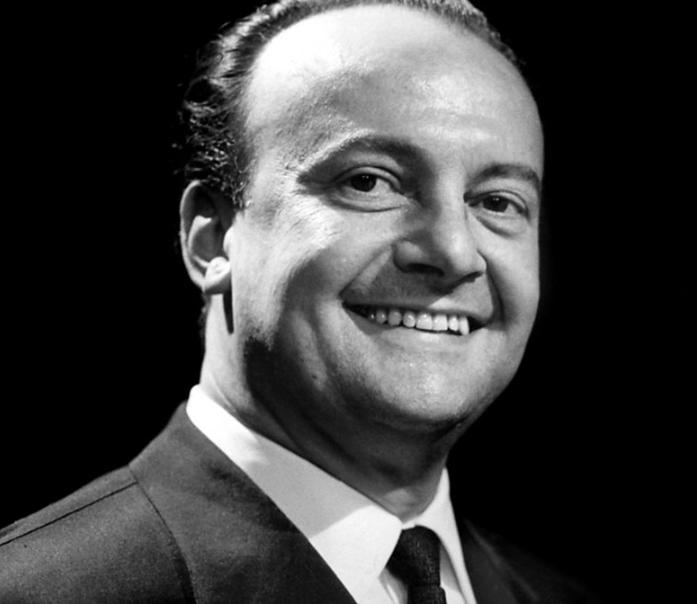
Renato Bruson’s Spotify BioBruson was one of the foremost bel canto and Verdi baritones of his generation, and while this side of his artistry is lesser-known in the United States, he was also an accomplished song performer, specializing again in Romantic-era Italian works. He frequently championed the songs of Tosti, and was named an honorary citizen of Cortona, Tosti's home city, in recognition of this. While his Verdi roles are perhaps his best-known, especially Macbeth, Rigoletto, Renato (Un Ballo in Maschera), and Simon Boccanegra, he sang in no fewer than seventeen Donizetti operas during the 1970s and 1980s, just ahead of the crest of a great resurgence of interest in lesser-known nineteenth-century works.
Bruson's family was unable to afford any kind of musical schooling, but encouraged him to sing in the local church choir, and after finishing regular school, he auditioned for the Padova Conservatory, and was offered a five-year scholarship. There he studied with Elena Fava Cerati, who trained him… thoroughly in the bel canto style and technique.
He made his opera debut as the Conte di Luna in Il Trovatore at Spoleto in 1961. He appeared at the Met for the first time in 1969, as Enrico in Lucia di Lammermoor, and made his La Scala debut in Linda di Chamonix in 1972. In 1973, he made his Chicago Lyric Opera debut as Renato in Un Ballo in Maschera, and in 1975 he made his Covent Garden debut in the same role, substituting for an ill Piero Cappuccilli. His Vienna State Opera debut was in 1978, as Verdi's Macbeth. He sang with Riccardo Muti for the first time in 1970, and over the years became an adherent of Muti's insistence on singing come scritto, without singer-interpolated high notes, believing that this focuses attention on the music and drama rather than the singer.
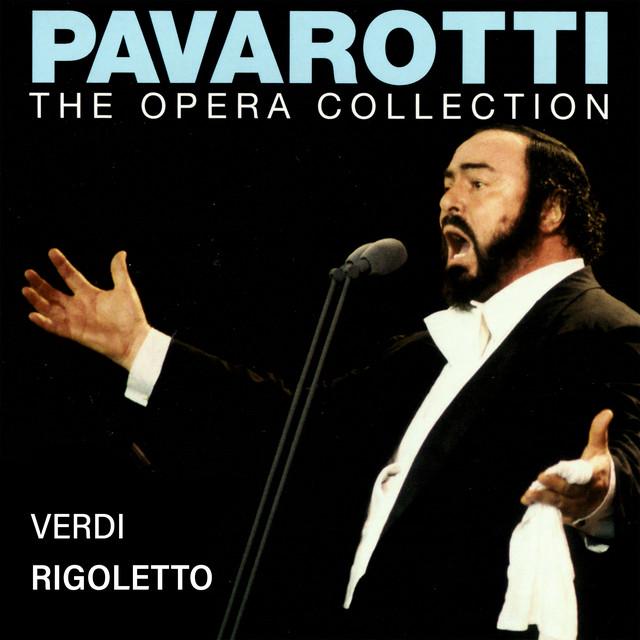
His Rigoletto on Philips (289 462 158-2) captures one of his major roles quite well, and among his many Tosti recordings on Nuova Era, Romanze su Testi Italiani (7233) is one of the strongest.
Viberate is a music analytics platform built for A&Rs, artist managers, labels, booking agents, marketers, and artists.
It helps music professionals track artist growth, analyze audience data, monitor playlist activity, compare artists, follow song performance, and identify opportunities across the music market.
Public artist pages provide a free preview of selected artist data. Paid plans provide access to deeper analytics, historical data, charts, comparisons, playlist tools, exports, alerts, reports, and additional professional features.
Yes. Public Viberate artist pages provide selected artist analytics and music data for free.
Viberate also offers a 7-day free trial of the full platform. A credit card is required to start the trial. The trial includes access to the complete product so users can test deeper artist analytics, historical views, playlist insights, comparisons, charts, exports, alerts, and reporting features before choosing a paid plan.
Viberate provides artist analytics across streaming, playlists, social media, video, radio airplay, songs, and audience markets.
Users can analyze Spotify performance, Spotify and Apple Music playlists, YouTube activity, TikTok and Instagram growth, radio spins, song performance, audience locations, demographics, rankings, and overall artist momentum.
Artist profiles also connect to music charts, similar artists, and comparison tools, helping users benchmark performance and evaluate artists in context.
Viberate updates key artist and track data daily.
For followed artists and tracks, selected data is refreshed multiple times per day. This helps teams monitor playlist changes, streaming movement, audience growth, releases, and campaign performance with more current data.
Update frequency can vary depending on the metric and data source.
Yes. Viberate lets users compare up to five artists side by side across streaming, social media, audience, and engagement metrics.
Users can compare fanbase growth, audience demographics, locations, Spotify performance, social metrics, and other artist data over selected time periods.
Artist comparison can be used for A&R scouting, benchmarking, booking decisions, campaign planning, and evaluating artists with similar audiences or market positions.