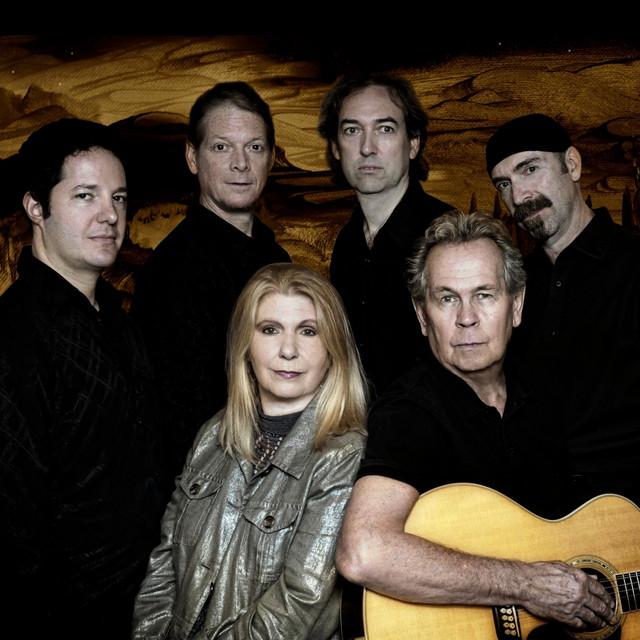
Renaissance

Rock
Progressive Rock
 Viberate Rank: 57961
 Viberate Rank: 57961
 Monthly ListenersFollowers
 Subscribers
 Followers
 Followers
 FansTop Spotify Songs
| Track | 7-Day Streams | |
|---|---|---|
1 | 16.95K | |
2 | 12.23K | |
3 | 10.93K | |
4 | 9.76K | |
5 | 7.94K |
Top YouTube VideosMonthly ListenersFeatured in Playlists| Playlist | Followers | |
|---|---|---|
1 | Best of Progressive Rock Niels N. | 51.41K |
2 | The Morning Spring 2023 Playlist nytimes | 30.66K |
3 |  modern songs w dark academia vibes alicemcwhirter | 20.73K |
4 |  ANOS 70: A DÉCADA DE OURO Iohanan | 16.71K |
5 |  Progressive Rock Mix PlatinumGains | 14.45K |
Audience| City | Monthly Listeners | |
|---|---|---|
1 |  | 3.39K |
2 | | 2.77K |
3 | | 2.28K |
4 | | 1.69K |
5 |  | 1.63K |
See full performance history, audience data, playlist activity, rankings, comparisons, and more in Viberate music analytics. Start with a free trial, then continue with a paid plan.
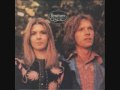
Renaissance’s Spotify BioThe history of Renaissance is essentially the history of two separate groups, rather similar to the two phases of the Moody Blues or the Drifters. The original group was founded in 1969 by ex-Yardbirds members Keith Relf and Jimmy McCarty as a sort of progressive folk-rock band, who recorded two albums (of which only the first, self-titled LP came out in America, on Elektra) but never quite made it, despite some success on England's campus circuit.
The band went through several membership changes, with Relf and his sister Jane exiting (she later fronted the very Renaissance-like group Illusion) exiting and McCarty all but gone after 1971. The new lineup formed around the core of bassist Jon Camp, keyboard player John Tout, Terry Sullivan on drums, and Annie Haslam, an aspiring singer with operatic training and a three-octave range.
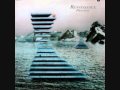
Their first album in this incarnation, Prologue, released in 1972, was considerably more ambitious than the original band's work, with extended instrumental… passages and soaring vocals by Haslam. Their breakthrough came with their next record, Ashes Are Burning, issued in 1973, which introduced guitarist Michael Dunford to the lineup and featured some searing electric licks by guest axeman Andy Powell. Their next record, Turn of the Cards, released by Sire Records, had a much more ornate songwriting style and was awash in lyrics that alternated between the topical and the mystical.
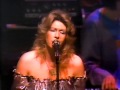
The group's ambitions were growing faster than its audience, which was concentrated on America's East Coast, especially in New York and Philadelphia -- Scheherazade (1975) was built around a 20-minute extended suite for rock group and orchestra that dazzled the fans but made no new converts. A live album recorded at a New York concert date reprised their earlier material, including the "Scheherazade" suite, but covered little new ground and showed the group in a somewhat lethargic manner. The band's next two albums, Novella and A Song for All Seasons, failed to find new listeners, and as the 1970s closed out, the group was running headlong into the punk and new wave booms that made them seem increasingly anachronistic and doomed to cult status.
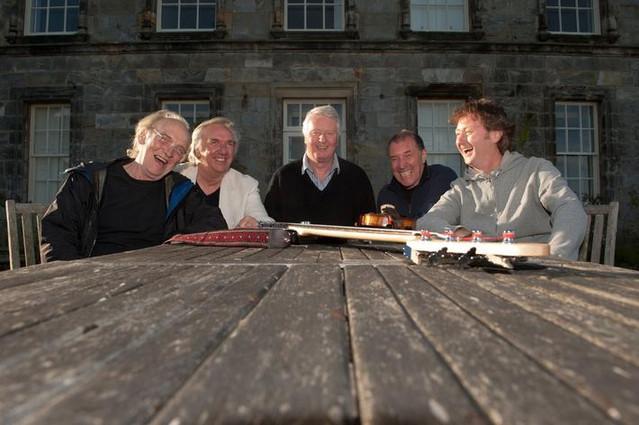
Their '80s albums were released with little global or even national fanfare, and the group split up in the early '80s amid reported personality conflicts between members. In 1995, however, both Haslam and Dunford made attempts to revive the Renaissance name in different incarnations, and Jane Relf and the other surviving members of the original band were reportedly planning to launch their own Renaissance revival which, if nothing else, may keep the courts and some trademark attorneys busy for a little while. ~ Bruce Eder, Rovi
Viberate is a music analytics platform built for A&Rs, artist managers, labels, booking agents, marketers, and artists.
It helps music professionals track artist growth, analyze audience data, monitor playlist activity, compare artists, follow song performance, and identify opportunities across the music market.
Public artist pages provide a free preview of selected artist data. Paid plans provide access to deeper analytics, historical data, charts, comparisons, playlist tools, exports, alerts, reports, and additional professional features.
Yes. Public Viberate artist pages provide selected artist analytics and music data for free.
Viberate also offers a 7-day free trial of the full platform. A credit card is required to start the trial. The trial includes access to the complete product so users can test deeper artist analytics, historical views, playlist insights, comparisons, charts, exports, alerts, and reporting features before choosing a paid plan.
Viberate provides artist analytics across streaming, playlists, social media, video, radio airplay, songs, and audience markets.
Users can analyze Spotify performance, Spotify and Apple Music playlists, YouTube activity, TikTok and Instagram growth, radio spins, song performance, audience locations, demographics, rankings, and overall artist momentum.
Artist profiles also connect to music charts, similar artists, and comparison tools, helping users benchmark performance and evaluate artists in context.
Viberate updates key artist and track data daily.
For followed artists and tracks, selected data is refreshed multiple times per day. This helps teams monitor playlist changes, streaming movement, audience growth, releases, and campaign performance with more current data.
Update frequency can vary depending on the metric and data source.
Yes. Viberate lets users compare up to five artists side by side across streaming, social media, audience, and engagement metrics.
Users can compare fanbase growth, audience demographics, locations, Spotify performance, social metrics, and other artist data over selected time periods.
Artist comparison can be used for A&R scouting, benchmarking, booking decisions, campaign planning, and evaluating artists with similar audiences or market positions.