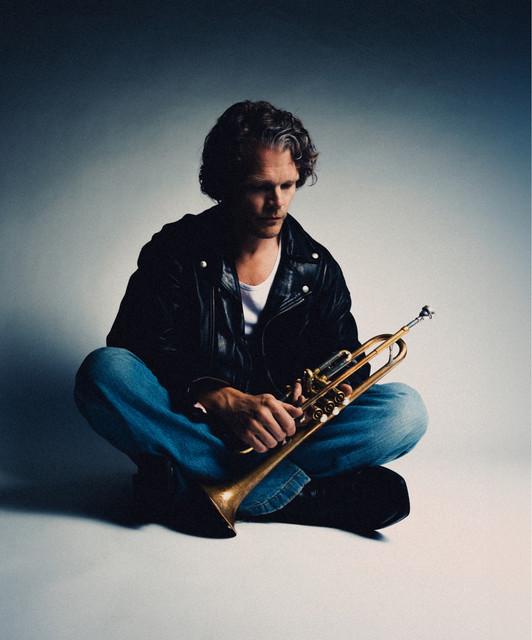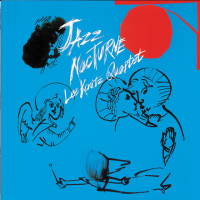
Lee Konitz Quartet

Jazz
Free Jazz
Smooth Jazz
 Viberate Rank: 404834
 Viberate Rank: 404834
 Monthly ListenersFollowers
 Subscribers
 Followers
 Followers
 FansTop Spotify Songs
| Track | 7-Day Streams | |
|---|---|---|
1 | 5.57K | |
2 | 1.97K | |
3 | 1.40K | |
4 | 553 | |
5 | 185 |
Top YouTube VideosMonthly ListenersFeatured in Playlists| Playlist | Followers | |
|---|---|---|
1 |  In the Mood for Jazz Spotify | 144.33K |
2 |  Dinner Jazz Spotify | 96.77K |
3 |  Twin Peaks Vibes 📺 maddie f | 36.93K |
4 |  Random Happy Songs To Help Brighten Your Day k | 13.23K |
5 |  Smooth Instrumental Jazz amandus.97 | 4.59K |
Audience| City | Monthly Listeners | |
|---|---|---|
1 | | 293 |
2 | | 173 |
3 | | 163 |
4 | | 159 |
5 |  | 135 |
See full performance history, audience data, playlist activity, rankings, comparisons, and more in Viberate music analytics. Start with a free trial, then continue with a paid plan.
Lee Konitz Quartet’s Spotify Biob. 13 October 1927, Chicago, Illinois, USA. Konitz began on clarinet, studying in the classical form, later switching to alto saxophone. In the mid-late 40s he played in the bands of Jerry Wald and Claude Thornhill, appeared on jazz dates with Miles Davis and was simultaneously studying with Lennie Tristano, with whom he also recorded. In the early 50s he worked for a while with Stan Kenton and although he left the band before the end of 1953, he had established his name and an international reputation. From the mid-50s onwards Konitz generally led his own bands, recording and playing publicly, and made a brief return visit to work with Tristano. He also became involved in teaching. During the following years Konitz’s interest in teaching developed and soon he was running clinics and workshops, giving private tuition and also conducting worldwide correspondence courses. In the mid-70s Konitz recorded several albums with Warne Marsh, all finding immediate critical and commercial… popularity. He also formed a nine-piece band modelled upon the one led by Davis in which he had played 30 years earlier.
One of very few alto saxophonists of his generation not to have been influenced by Charlie Parker, Konitz managed to avoid being cast in any mould other than that which he created himself. Unlike many of his peers, he has proved to be flexible and capable of continually growing to accommodate new concepts. In performance his sound has changed over the years. Originally he played with a deliberately thin sound but he thickened this during his time with Kenton, a necessity to avoid being drowned by the volume of the band. (‘It was not easy playing alto in that band. Next time around, I’d rather be the drummer.’) Deeply interested in and committed to jazz education, Konitz encourages his students to respect their material and through his courses strives to teach solo improvisation, something he regards as being just as much a measurable discipline as ensemble playing. His own playing remains exemplary of that strain of contemporary music which emphasizes thoughtfulness rather than instinctive responses. In 2002, he won the DownBeat critics award for alto saxophonist of the year.
Viberate is a music analytics platform built for A&Rs, artist managers, labels, booking agents, marketers, and artists.
It helps music professionals track artist growth, analyze audience data, monitor playlist activity, compare artists, follow song performance, and identify opportunities across the music market.
Public artist pages provide a free preview of selected artist data. Paid plans provide access to deeper analytics, historical data, charts, comparisons, playlist tools, exports, alerts, reports, and additional professional features.
Yes. Public Viberate artist pages provide selected artist analytics and music data for free.
Viberate also offers a 7-day free trial of the full platform. A credit card is required to start the trial. The trial includes access to the complete product so users can test deeper artist analytics, historical views, playlist insights, comparisons, charts, exports, alerts, and reporting features before choosing a paid plan.
Viberate provides artist analytics across streaming, playlists, social media, video, radio airplay, songs, and audience markets.
Users can analyze Spotify performance, Spotify and Apple Music playlists, YouTube activity, TikTok and Instagram growth, radio spins, song performance, audience locations, demographics, rankings, and overall artist momentum.
Artist profiles also connect to music charts, similar artists, and comparison tools, helping users benchmark performance and evaluate artists in context.
Viberate updates key artist and track data daily.
For followed artists and tracks, selected data is refreshed multiple times per day. This helps teams monitor playlist changes, streaming movement, audience growth, releases, and campaign performance with more current data.
Update frequency can vary depending on the metric and data source.
Yes. Viberate lets users compare up to five artists side by side across streaming, social media, audience, and engagement metrics.
Users can compare fanbase growth, audience demographics, locations, Spotify performance, social metrics, and other artist data over selected time periods.
Artist comparison can be used for A&R scouting, benchmarking, booking decisions, campaign planning, and evaluating artists with similar audiences or market positions.