Red Callender

Jazz
Smooth Jazz
 Viberate Rank: 330911
 Viberate Rank: 330911
 Monthly ListenersFollowers
 Subscribers
 Followers
 Followers
 FansTop Spotify Songs
| Track | 7-Day Streams | |
|---|---|---|
1 | 7.92K | |
2 | 3.94K | |
3 | 765 | |
4 | 765 | |
5 | 585 |
Top YouTube VideosMonthly ListenersFeatured in Playlists| Playlist | Followers | |
|---|---|---|
1 |  Instrumental Jazz Standards Spotify | 184.17K |
2 |  In the Mood for Jazz Spotify | 144.39K |
3 |  Starbucks Style Chilled Jazz Background Music to Unwind Songs For Occasions | 41.17K |
4 |  Twin Peaks Vibes 📺 maddie f | 36.94K |
5 |  Haruki Murakami’s Late Night Jazz Music 𝘛𝘩𝘦 𝘗𝘦𝘯𝘴𝘪𝘷𝘦 𝘏𝘦𝘳𝘰𝘯 | 30.73K |
Audience| City | Monthly Listeners | |
|---|---|---|
1 | | 396 |
2 | | 227 |
3 | | 220 |
4 | | 183 |
5 |  | 169 |
See full performance history, audience data, playlist activity, rankings, comparisons, and more in Viberate music analytics. Start with a free trial, then continue with a paid plan.
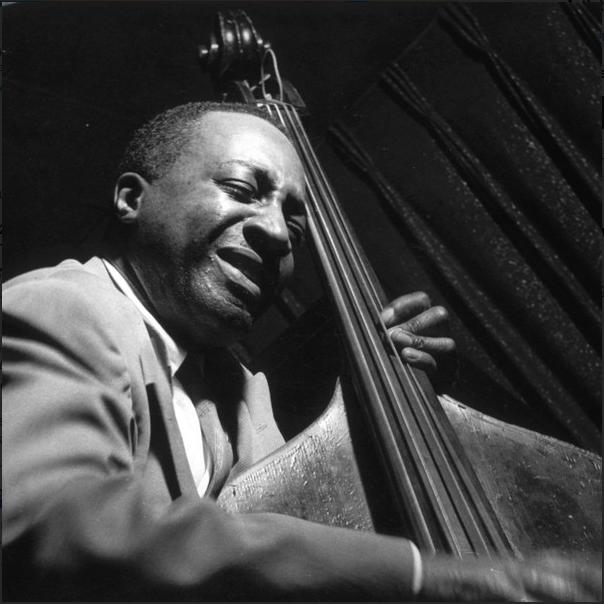
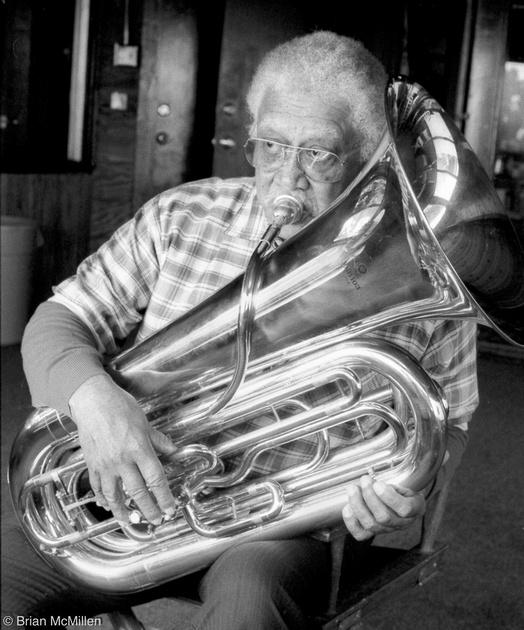
Red Callender’s Spotify BioA busy studio musician who appeared on a countless number of recordings during his productive (and generally lucrative) career, Red Callender is the only player to turn down offers to join both Duke Ellington's Orchestra and the Louis Armstrong All-Stars. After briefly freelancing in New York, Callender settled in Los Angeles in 1936, debuting on record the next year with Louis Armstrong. In the early '40s, he was in the Lester and Lee Young band, and then formed his own trio. Callender, in the 1940s, recorded with Nat King Cole, Erroll Garner, Charlie Parker, Wardell Gray, and Dexter Gordon, among many others, and can be seen and heard taking a bebop break on bass in the 1946 film New Orleans (which was supposed to depict the city's music scene of 1915). After a period spent leading a trio in Hawaii, Callender returned to Los Angeles, becoming one of the first Black musicians to work regularly in the commercial studios. On his 1954 Crown LP Speaks Low, Callender was one of the… earliest modern jazz tuba soloists, and he would occasionally double on that instrument in future years. His composition "Primrose Lane" became a Top Ten hit in 1959 when recorded by Billy Wallace. Keeping busy up until his death, some of the highlights of the bassist's later career include recording with Art Tatum (1955-1956), playing with Charles Mingus at the 1964 Monterey Jazz Festival, working with James Newton's avant-garde woodwind quintet (on tuba), and performing as a regular member of the Cheatham's Sweet Baby Blues Band. Callender's mid-'80s autobiography Unfinished Dream is quite informative and colorful. ~ Scott Yanow, Rovi
Viberate is a music analytics platform built for A&Rs, artist managers, labels, booking agents, marketers, and artists.
It helps music professionals track artist growth, analyze audience data, monitor playlist activity, compare artists, follow song performance, and identify opportunities across the music market.
Public artist pages provide a free preview of selected artist data. Paid plans provide access to deeper analytics, historical data, charts, comparisons, playlist tools, exports, alerts, reports, and additional professional features.
Yes. Public Viberate artist pages provide selected artist analytics and music data for free.
Viberate also offers a 7-day free trial of the full platform. A credit card is required to start the trial. The trial includes access to the complete product so users can test deeper artist analytics, historical views, playlist insights, comparisons, charts, exports, alerts, and reporting features before choosing a paid plan.
Viberate provides artist analytics across streaming, playlists, social media, video, radio airplay, songs, and audience markets.
Users can analyze Spotify performance, Spotify and Apple Music playlists, YouTube activity, TikTok and Instagram growth, radio spins, song performance, audience locations, demographics, rankings, and overall artist momentum.
Artist profiles also connect to music charts, similar artists, and comparison tools, helping users benchmark performance and evaluate artists in context.
Viberate updates key artist and track data daily.
For followed artists and tracks, selected data is refreshed multiple times per day. This helps teams monitor playlist changes, streaming movement, audience growth, releases, and campaign performance with more current data.
Update frequency can vary depending on the metric and data source.
Yes. Viberate lets users compare up to five artists side by side across streaming, social media, audience, and engagement metrics.
Users can compare fanbase growth, audience demographics, locations, Spotify performance, social metrics, and other artist data over selected time periods.
Artist comparison can be used for A&R scouting, benchmarking, booking decisions, campaign planning, and evaluating artists with similar audiences or market positions.