Rebbie Jackson

R&B
Contemporary R&B
Disco
 Viberate Rank: 118993
 Viberate Rank: 118993
 Monthly ListenersFollowers
 Subscribers
 Followers
 Followers
 FansTop Spotify Songs
| Track | 7-Day Streams | |
|---|---|---|
1 | 7.15K | |
2 | 4.67K | |
3 | 1.05K | |
4 | 523 | |
5 | 331 |
Top YouTube VideosMonthly ListenersFeatured in Playlists| Playlist | Followers | |
|---|---|---|
1 | **80s R&B Hits** Chrismix | 119.20K |
2 | Classic Hits - 70s and 80s Logan | 33.75K |
3 |  Larry Levan at Paradise Garage Honey-K | 29.29K |
4 |  80s Miami Cocaine Carl Lagergren | 27.84K |
5 |  80s - Miami Cocaine VitalTrouble | 25.37K |
Audience| City | Monthly Listeners | |
|---|---|---|
1 | | 631 |
2 |  | 539 |
3 | | 533 |
4 | | 525 |
5 | | 490 |
See full performance history, audience data, playlist activity, rankings, comparisons, and more in Viberate music analytics. Start with a free trial, then continue with a paid plan.
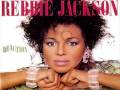
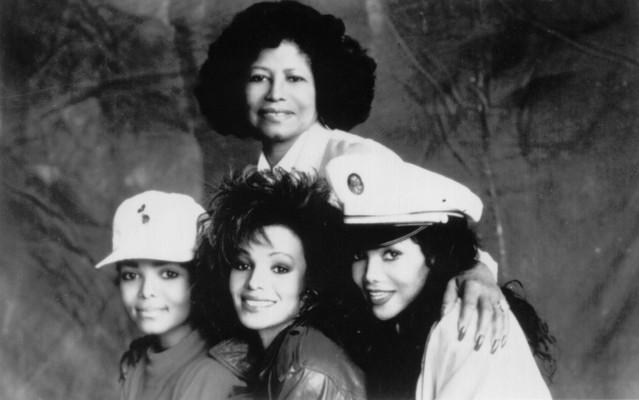
Rebbie Jackson’s Spotify BioRebbie Jackson, like her siblings Janet, LaToya, and Randy, was out of the public eye when her brothers stormed the music world as the Jackson 5. Though she sang and was taught clarinet and piano by her mother, it wasn't until 1976, after the Jackson 5 had left Motown and signed with CBS, that Rebbie began a professional singing career, becoming a cabaret singer and background vocalist. She was credited on LPs by the Emotions, Betty Wright, and others during the '70s and '80s; she also appeared on the Jacksons' short-lived 1976 variety show.
Roughly ten years later, her brother Michael was given the chance to write and produce, and his first project was Rebbie's first single, "Centipede," which hit number four on the Billboard R&B chart in fall 1984. The Centipede LP, released that October, also featured input from Crusaders member Wayne Henderson, as well as her brothers Tito and Randy. Her next album, Reaction, was issued two years later and included tracks produced by David "Pic"… Conley and David Townsend of the group Surface. The title track single hit number 16 on the R&B charts in summer 1986, while the follow-up, "You Send the Rain Away" (a duet with Cheap Trick lead singer Robin Zander), made it to number 50 R&B in late 1986. Another fine duet, "Tonight I'm Yours" with Isaac Hayes, received substantial airplay as an album track but curiously was never released as a single.
R U Tuff Enuff was the title of her third Columbia album, issued in February 1988, featuring one single ("Plaything") that reached the R&B Top Ten. After a hiatus from show business in which she moved to Virginia, Rebbie signed with Michael Jackson's MJJ label and released Yours Faithfully in March 1998. ~ Ed Hogan, Rovi
Viberate is a music analytics platform built for A&Rs, artist managers, labels, booking agents, marketers, and artists.
It helps music professionals track artist growth, analyze audience data, monitor playlist activity, compare artists, follow song performance, and identify opportunities across the music market.
Public artist pages provide a free preview of selected artist data. Paid plans provide access to deeper analytics, historical data, charts, comparisons, playlist tools, exports, alerts, reports, and additional professional features.
Yes. Public Viberate artist pages provide selected artist analytics and music data for free.
Viberate also offers a 7-day free trial of the full platform. A credit card is required to start the trial. The trial includes access to the complete product so users can test deeper artist analytics, historical views, playlist insights, comparisons, charts, exports, alerts, and reporting features before choosing a paid plan.
Viberate provides artist analytics across streaming, playlists, social media, video, radio airplay, songs, and audience markets.
Users can analyze Spotify performance, Spotify and Apple Music playlists, YouTube activity, TikTok and Instagram growth, radio spins, song performance, audience locations, demographics, rankings, and overall artist momentum.
Artist profiles also connect to music charts, similar artists, and comparison tools, helping users benchmark performance and evaluate artists in context.
Viberate updates key artist and track data daily.
For followed artists and tracks, selected data is refreshed multiple times per day. This helps teams monitor playlist changes, streaming movement, audience growth, releases, and campaign performance with more current data.
Update frequency can vary depending on the metric and data source.
Yes. Viberate lets users compare up to five artists side by side across streaming, social media, audience, and engagement metrics.
Users can compare fanbase growth, audience demographics, locations, Spotify performance, social metrics, and other artist data over selected time periods.
Artist comparison can be used for A&R scouting, benchmarking, booking decisions, campaign planning, and evaluating artists with similar audiences or market positions.