RBL Posse

Hip Hop
Contemporary Hip Hop
 Viberate Rank: 50858
 Viberate Rank: 50858
 Monthly ListenersFollowers
 Subscribers
 Followers
 Followers
 FansTop Spotify Songs
| Track | 7-Day Streams | |
|---|---|---|
1 | 35.73K | |
2 | 21.84K | |
3 | 16.29K | |
4 | 14.49K | |
5 | 12.43K |
Top YouTube Videos| Video | 7-Day Views | |
|---|---|---|
1 | 3.42K | |
2 | 3.12K | |
3 | 2.04K | |
4 | 1.53K | |
5 | 771 |
Monthly ListenersFeatured in Playlists| Playlist | Followers | |
|---|---|---|
1 | Old school Funk🔥 Cesar Garcia | 32.74K |
2 |  SKATE PLAYLIST 🛹🕸🌵 Ginger Gravy | 23.83K |
3 |  The Silver iPod catherinetaylor.radio | 18.42K |
4 |  This Is Master P Spotify | 14.73K |
5 |  NTS Radio Collection Jesse de Wit | 14.55K |
Audience| City | Monthly Listeners | |
|---|---|---|
1 | | 14.22K |
2 | | 10.33K |
3 | | 7.75K |
4 | | 6.32K |
5 | | 6.32K |
See full performance history, audience data, playlist activity, rankings, comparisons, and more in Viberate music analytics. Start with a free trial, then continue with a paid plan.
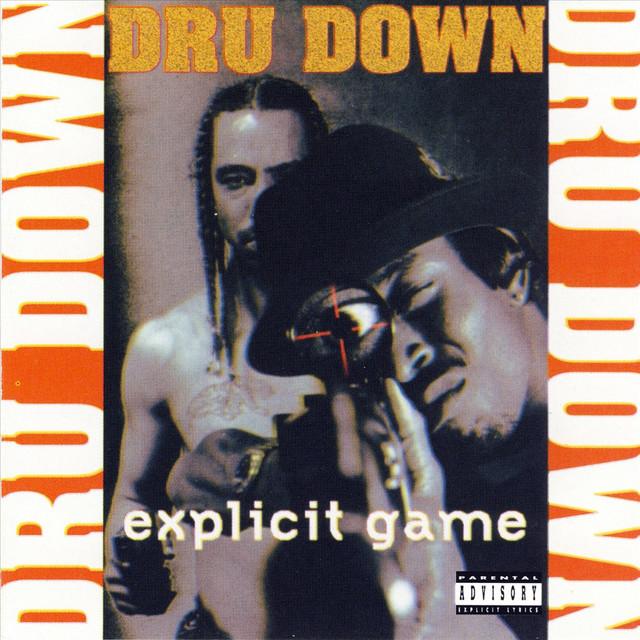
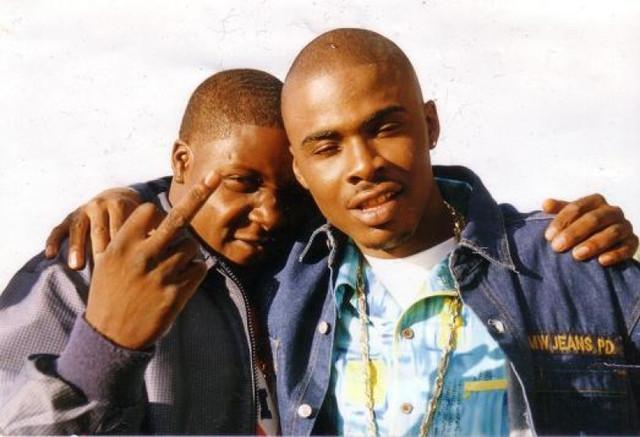
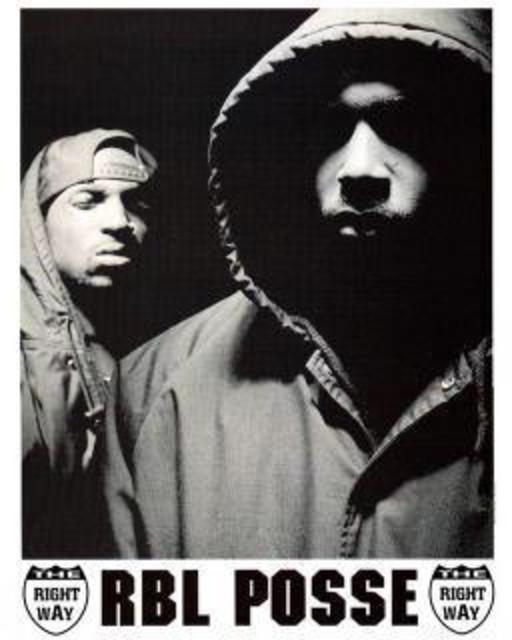
RBL Posse’s Spotify BioFormed in 1991 by Black C (Christian Mathews) and Mr. Cee (Kyle Church). Their first release, the
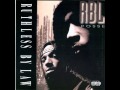
self-produced “Don’t Give Me No Bammer” came out on In-a-Minute Records and made the Billboard magazine Hot Rap Singles chart, peaking at #16. Two albums followed: A Lesson to Be Learned, which peaked at #60 on the Billboard magazine Top R&B/Hip-Hop Albums chart, and Ruthless by Law, which surpassed their debut by making it to #23, also grazing the bottom of the The Billboard 200 at #197.
Their impressive sales for regional indie releases attracted interest from Atlantic Records subsidiary Big Beat, who signed the group.
Black C and Hitman filled the void created by Mr. Cee’s absence with various producers, including Rick Rock and MC Eiht, and released An Eye for an Eye in 1997. The album peaked at #70 on The Billboard 200 chart and got as high as #14 on the Top R&B/Hip-Hop Albums chart. RBL Posse released a double album—Bootlegs and Bay Shit: The Resume.
2001’s Hostile Takeover would prove to… be the group’s last album when, on February 3, 2003, Hitman was shot and killed while driving in the Hunters Point section of San Francisco.
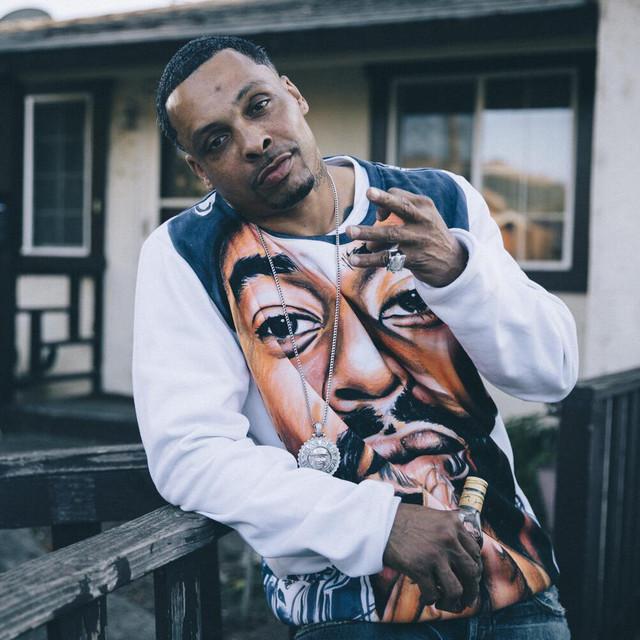
Black C is still recording, and went on to release 4 solo albums under the name RBL’s Black C. 2001’s The Last Man Standing, 2007’s The City of Gods, 2010’s 70’s Baby, and 2012’s Still Ruthless. Black C is also set to release a book based on his life in the streets of San Francisco, and his music career titled A Part of Survival.
Viberate is a music analytics platform built for A&Rs, artist managers, labels, booking agents, marketers, and artists.
It helps music professionals track artist growth, analyze audience data, monitor playlist activity, compare artists, follow song performance, and identify opportunities across the music market.
Public artist pages provide a free preview of selected artist data. Paid plans provide access to deeper analytics, historical data, charts, comparisons, playlist tools, exports, alerts, reports, and additional professional features.
Yes. Public Viberate artist pages provide selected artist analytics and music data for free.
Viberate also offers a 7-day free trial of the full platform. A credit card is required to start the trial. The trial includes access to the complete product so users can test deeper artist analytics, historical views, playlist insights, comparisons, charts, exports, alerts, and reporting features before choosing a paid plan.
Viberate provides artist analytics across streaming, playlists, social media, video, radio airplay, songs, and audience markets.
Users can analyze Spotify performance, Spotify and Apple Music playlists, YouTube activity, TikTok and Instagram growth, radio spins, song performance, audience locations, demographics, rankings, and overall artist momentum.
Artist profiles also connect to music charts, similar artists, and comparison tools, helping users benchmark performance and evaluate artists in context.
Viberate updates key artist and track data daily.
For followed artists and tracks, selected data is refreshed multiple times per day. This helps teams monitor playlist changes, streaming movement, audience growth, releases, and campaign performance with more current data.
Update frequency can vary depending on the metric and data source.
Yes. Viberate lets users compare up to five artists side by side across streaming, social media, audience, and engagement metrics.
Users can compare fanbase growth, audience demographics, locations, Spotify performance, social metrics, and other artist data over selected time periods.
Artist comparison can be used for A&R scouting, benchmarking, booking decisions, campaign planning, and evaluating artists with similar audiences or market positions.