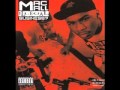
Mac Mall

Hip Hop
Contemporary Hip Hop
Alternative Hip Hop
 Viberate Rank: 57183
 Viberate Rank: 57183
 Monthly ListenersFollowers
 Subscribers
 Followers
 Followers
 FansTop Spotify Songs
| Track | 7-Day Streams | |
|---|---|---|
1 | 17.27K | |
2 | 15.23K | |
3 | 15.23K | |
4 | 15.23K | |
5 | 8.33K |
Top YouTube Videos| Video | 7-Day Views | |
|---|---|---|
1 | 619 | |
2 | 220 | |
3 | 143 | |
4 | 96 | |
5 | 94 |
Monthly ListenersFeatured in Playlists| Playlist | Followers | |
|---|---|---|
1 |  90s West Coast Hip Hop kaeden | 27.93K |
2 | HYPHY 💕 Kimi Villaroman | 26.36K |
3 |  PRODUCED BY KANYE WEST bbjkap | 26.36K |
4 |  the L word Soundtrack (Season 1-6) val_toriello | 19.84K |
5 |  WRMFZY BEATS wrmfzy | 18.79K |
Audience| City | Monthly Listeners | |
|---|---|---|
1 | | 7.14K |
2 | | 5.58K |
3 | | 5.23K |
4 | | 3.70K |
5 | | 3.24K |
See full performance history, audience data, playlist activity, rankings, comparisons, and more in Viberate music analytics. Start with a free trial, then continue with a paid plan.
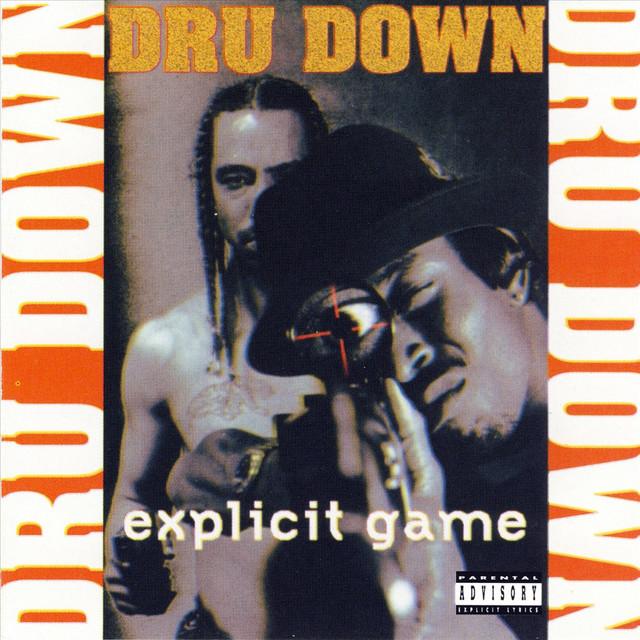
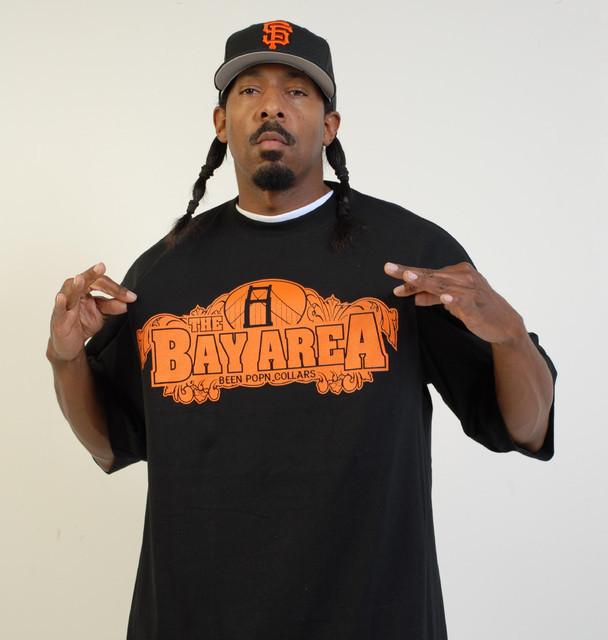
Mac Mall’s Spotify BioAlong with better-known rappers like E-40 and 2Pac, Mac Mall was one of several who helped put the Cali Bay Area on the map in the mid- to late '90s as a hotspot in the rap game. He collaborated with many of the Bay Area's best producers -- Ant Banks, Khayree, Michael Mosley, and Rick Rock -- and helped define the scene's identity, particularly with his most successful album, Untouchable (1996), which featured perhaps his best-known song, "Get Right." His career simmered out quickly, however. He returned in 1999 after a three-year absence and few listeners seemed to notice. Mall was no longer on a major label and the Bay Area scene was no longer the hotspot it had been a few years earlier. Given his brief moment in the spotlight and his sudden decline, it was perhaps no surprise when Mall changed his style in 2001, incorporating a surprising amount of spirituality on his Immaculate album. ~ Jason Birchmeier, Rovi
Viberate is a music analytics platform built for A&Rs, artist managers, labels, booking agents, marketers, and artists.
It helps music professionals track artist growth, analyze audience data, monitor playlist activity, compare artists, follow song performance, and identify opportunities across the music market.
Public artist pages provide a free preview of selected artist data. Paid plans provide access to deeper analytics, historical data, charts, comparisons, playlist tools, exports, alerts, reports, and additional professional features.
Yes. Public Viberate artist pages provide selected artist analytics and music data for free.
Viberate also offers a 7-day free trial of the full platform. A credit card is required to start the trial. The trial includes access to the complete product so users can test deeper artist analytics, historical views, playlist insights, comparisons, charts, exports, alerts, and reporting features before choosing a paid plan.
Viberate provides artist analytics across streaming, playlists, social media, video, radio airplay, songs, and audience markets.
Users can analyze Spotify performance, Spotify and Apple Music playlists, YouTube activity, TikTok and Instagram growth, radio spins, song performance, audience locations, demographics, rankings, and overall artist momentum.
Artist profiles also connect to music charts, similar artists, and comparison tools, helping users benchmark performance and evaluate artists in context.
Viberate updates key artist and track data daily.
For followed artists and tracks, selected data is refreshed multiple times per day. This helps teams monitor playlist changes, streaming movement, audience growth, releases, and campaign performance with more current data.
Update frequency can vary depending on the metric and data source.
Yes. Viberate lets users compare up to five artists side by side across streaming, social media, audience, and engagement metrics.
Users can compare fanbase growth, audience demographics, locations, Spotify performance, social metrics, and other artist data over selected time periods.
Artist comparison can be used for A&R scouting, benchmarking, booking decisions, campaign planning, and evaluating artists with similar audiences or market positions.