RAY G

Religious
Christian Music
Contemporary Hip Hop
Trap
 Viberate Rank: 493259
 Viberate Rank: 493259
 Monthly ListenersFollowers
 Subscribers
 Followers
 Followers
 FansTop Spotify Songs
| Track | 7-Day Streams | |
|---|---|---|
1 | 214 | |
2 | 177 | |
3 | 73 | |
4 | 72 | |
5 | 56 |
Top YouTube VideosMonthly ListenersFeatured in Playlists| Playlist | Followers | |
|---|---|---|
1 |  High Lights Spotify | 64.13K |
2 |  STOREOWNAZ Thebiz | 38.69K |
3 | La cristiana fitness Angeles Issa | 28.80K |
4 |  World Music Royal Wave | 19.84K |
5 |  Lo-Fi Vibes Lo-Fi Music | 16.62K |
Audience| City | Monthly Listeners | |
|---|---|---|
1 | | 30 |
2 | | 25 |
3 | | 24 |
4 |  | 22 |
5 | | 20 |
See full performance history, audience data, playlist activity, rankings, comparisons, and more in Viberate music analytics. Start with a free trial, then continue with a paid plan.
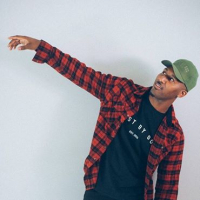
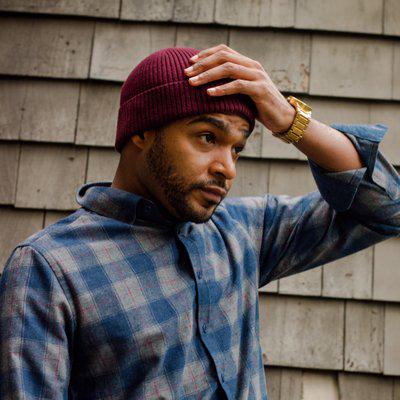
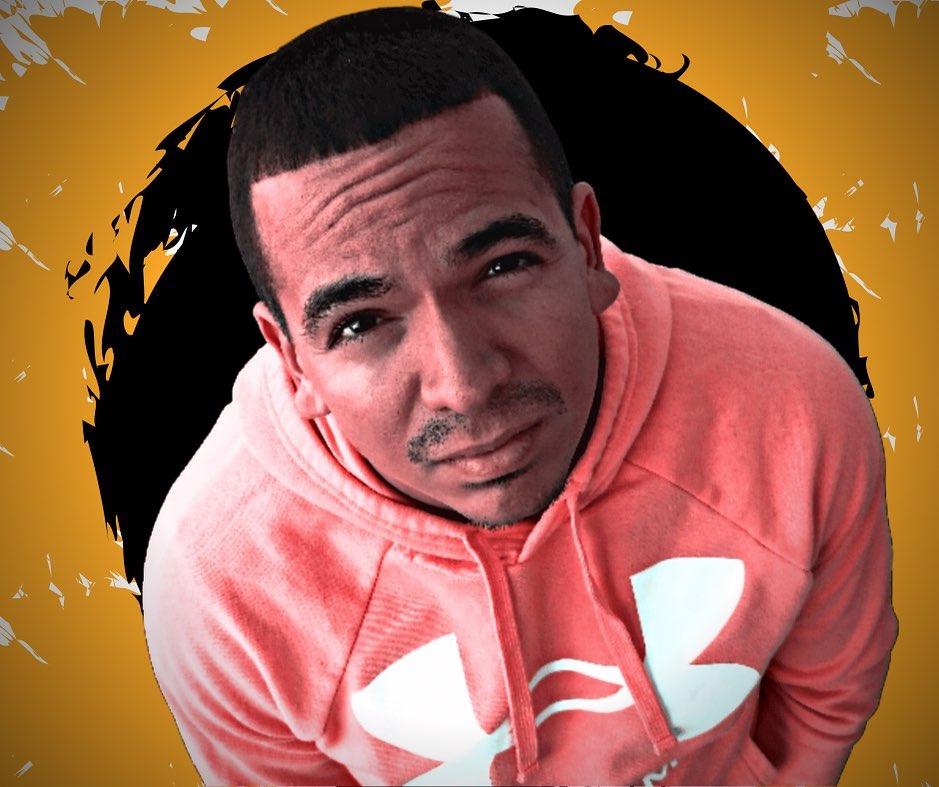
RAY G’s Spotify BioRay Garcia grew up in Boise, Idaho and was introduced to the Hip-Hop/Rap culture of music very young. An emptiness arose within after his dad was in and out of prison, leaving an absence in his life. His mom remarried around the age of 7, and even though there was a "dad" figure around in his life, he rejected him due to the anger, disappointment, and rejection he felt from his biological dad. His step parents divorced about 15 years later due to abuse in the home. Growing up he was greatly influenced by the Westcoast rap movement. His brother influenced his life in writing, and opened up the doors to inspiration in creating music. No idea of who he really was at that point, his writings were of every rapper's mainstream dream: MONEY. RAY G wanted to be just like everybody else adapting in with the “current trend of society.” By the time he hit the age of 17-18, he was doing local shows, promotions, parties, and mixtapes. Money, alcohol, sex, and pride affected who he was and it was… the identity of who he was then. In 2009, RAY G took a turn where he hit rock bottom with his life. He had heard his first Lecrae album and was greatly moved by the creativity and expression in this man's faith! As he had intended to do something different with his life, GOD had something different. Ray has been determined to express himself through the Hip-Hop/Rap culture leading others to find hope through Jesus just as he did by striving to live out a positive influence.
Viberate is a music analytics platform built for A&Rs, artist managers, labels, booking agents, marketers, and artists.
It helps music professionals track artist growth, analyze audience data, monitor playlist activity, compare artists, follow song performance, and identify opportunities across the music market.
Public artist pages provide a free preview of selected artist data. Paid plans provide access to deeper analytics, historical data, charts, comparisons, playlist tools, exports, alerts, reports, and additional professional features.
Yes. Public Viberate artist pages provide selected artist analytics and music data for free.
Viberate also offers a 7-day free trial of the full platform. A credit card is required to start the trial. The trial includes access to the complete product so users can test deeper artist analytics, historical views, playlist insights, comparisons, charts, exports, alerts, and reporting features before choosing a paid plan.
Viberate provides artist analytics across streaming, playlists, social media, video, radio airplay, songs, and audience markets.
Users can analyze Spotify performance, Spotify and Apple Music playlists, YouTube activity, TikTok and Instagram growth, radio spins, song performance, audience locations, demographics, rankings, and overall artist momentum.
Artist profiles also connect to music charts, similar artists, and comparison tools, helping users benchmark performance and evaluate artists in context.
Viberate updates key artist and track data daily.
For followed artists and tracks, selected data is refreshed multiple times per day. This helps teams monitor playlist changes, streaming movement, audience growth, releases, and campaign performance with more current data.
Update frequency can vary depending on the metric and data source.
Yes. Viberate lets users compare up to five artists side by side across streaming, social media, audience, and engagement metrics.
Users can compare fanbase growth, audience demographics, locations, Spotify performance, social metrics, and other artist data over selected time periods.
Artist comparison can be used for A&R scouting, benchmarking, booking decisions, campaign planning, and evaluating artists with similar audiences or market positions.