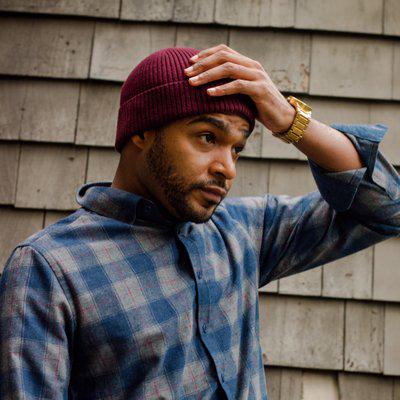
Caleb McCoy

Hip Hop
Contemporary Hip Hop
Christian Music
 Viberate Rank: 316661
 Viberate Rank: 316661
 Monthly ListenersFollowers
 Subscribers
 Followers
 Followers
 FansTop Spotify Songs
| Track | 7-Day Streams | |
|---|---|---|
1 | 537 | |
2 | 496 | |
3 | 60 | |
4 | 59 | |
5 | 54 |
Top YouTube VideosMonthly ListenersFeatured in Playlists| Playlist | Followers | |
|---|---|---|
1 |  RUNNING RAP 2026 🏃🏾🏃🏾 IFM Playlists | 80.20K |
2 | chillwoods | 51.37K |
3 | Christian Hip Hop /RnB/ Dance zimzulu | 11.45K |
4 |  Doesn’t sound like Christian music (Indie Christian) AMCalhoun | 10.00K |
5 |  The Best of Christian Rap/Hip-Hop JimmytheJet | 9.76K |
Audience| City | Monthly Listeners | |
|---|---|---|
1 | | 73 |
2 | | 49 |
3 | | 48 |
4 | | 47 |
5 | | 44 |
See full performance history, audience data, playlist activity, rankings, comparisons, and more in Viberate music analytics. Start with a free trial, then continue with a paid plan.
Caleb McCoy’s Spotify BioCaleb McCoy is a Bostonian rapper, musician and producer who has branded his style as OAK music. The OAK, or the One of A Kind, is a commitment to artistry with a message that is deep rooted, unique, and prolific. Caleb's musical journey started in the Church, playing drums behind his father and mother who are both experienced worship leaders. His love for hip hop was authenticated through his upbringing in the inner-city neighborhood of Dorchester. Caleb started a local rap group with his friends from the neighborhood, where lyrics of sex, drugs and violence became real life and not just empty words. Eventually, this conviction caused Caleb to put his artistry on hold, as he recalibrated his artistry, and the entire value system that was driving it.
As Caleb's passion for music was rekindled, it lit a fire in him to use his musical gifts in a unique and personal way. He started making music that reflected the entirety of who he was, and it sounded GOOD. Caleb never looked back after… that, building a loyal following in in and around his hometown, while also performing at venues across the country. His mixtape, RITO, can go bar for bar with any East Coast MC, while his album The OAK Season 3, pays homage to his musical roots. Caleb is an active voice in his community, speaking out for justice and systemic change and partnering with nonprofits across Greater Boston to merge the music with ministry.
Viberate is a music analytics platform built for A&Rs, artist managers, labels, booking agents, marketers, and artists.
It helps music professionals track artist growth, analyze audience data, monitor playlist activity, compare artists, follow song performance, and identify opportunities across the music market.
Public artist pages provide a free preview of selected artist data. Paid plans provide access to deeper analytics, historical data, charts, comparisons, playlist tools, exports, alerts, reports, and additional professional features.
Yes. Public Viberate artist pages provide selected artist analytics and music data for free.
Viberate also offers a 7-day free trial of the full platform. A credit card is required to start the trial. The trial includes access to the complete product so users can test deeper artist analytics, historical views, playlist insights, comparisons, charts, exports, alerts, and reporting features before choosing a paid plan.
Viberate provides artist analytics across streaming, playlists, social media, video, radio airplay, songs, and audience markets.
Users can analyze Spotify performance, Spotify and Apple Music playlists, YouTube activity, TikTok and Instagram growth, radio spins, song performance, audience locations, demographics, rankings, and overall artist momentum.
Artist profiles also connect to music charts, similar artists, and comparison tools, helping users benchmark performance and evaluate artists in context.
Viberate updates key artist and track data daily.
For followed artists and tracks, selected data is refreshed multiple times per day. This helps teams monitor playlist changes, streaming movement, audience growth, releases, and campaign performance with more current data.
Update frequency can vary depending on the metric and data source.
Yes. Viberate lets users compare up to five artists side by side across streaming, social media, audience, and engagement metrics.
Users can compare fanbase growth, audience demographics, locations, Spotify performance, social metrics, and other artist data over selected time periods.
Artist comparison can be used for A&R scouting, benchmarking, booking decisions, campaign planning, and evaluating artists with similar audiences or market positions.