Raw Power

Punk
Punk Rock
Hardcore Punk
Hard Rock
 Viberate Rank: 235707
 Viberate Rank: 235707
 Monthly ListenersFollowers
 Subscribers
 Followers
 Followers
 FansTop Spotify Songs
| Track | 7-Day Streams | |
|---|---|---|
1 | 607 | |
2 | 536 | |
3 | 273 | |
4 | 250 | |
5 | 249 |
Top YouTube VideosMonthly ListenersFeatured in Playlists| Playlist | Followers | |
|---|---|---|
1 |  80's Hardcore Punk Antonio Leal Filho | 20.65K |
2 | grindcore/powerviolence/ thrashcore/hardcore/sludge Kevö Sacajaweeda Magnaghi | 7.89K |
3 |  Strictly Rhythm Yaro Nikitin | 7.17K |
4 |  UK Garage & House Kyle Willats | 6.50K |
5 | 90s House, Garage House & UKG music InTheGroove | 5.00K |
Audience| City | Monthly Listeners | |
|---|---|---|
1 |  | 71 |
2 |  | 43 |
3 | | 41 |
4 | | 40 |
5 | | 36 |
See full performance history, audience data, playlist activity, rankings, comparisons, and more in Viberate music analytics. Start with a free trial, then continue with a paid plan.
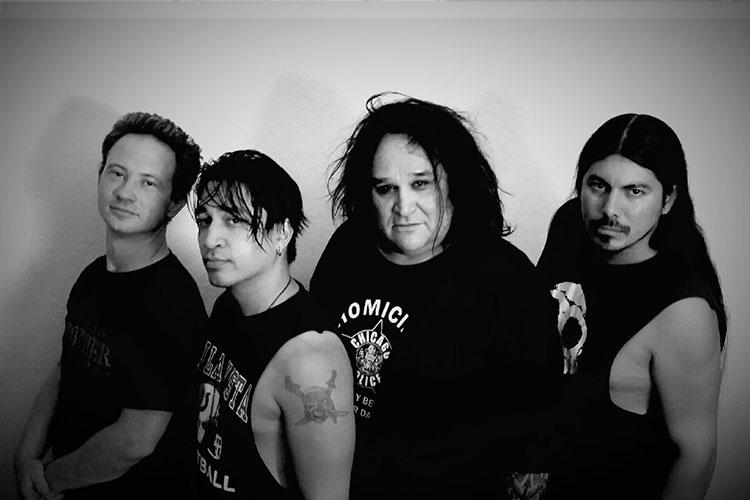
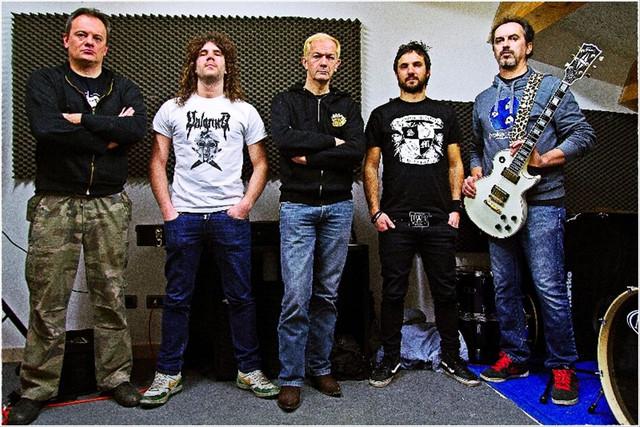
Raw Power’s Spotify BioTaking their name from the seminal 1973 Stooges album, Raw Power is an Italian hardcore punk unit in the vein of upstart American pit producers like Gang Green, D.I., and JFA. Based out of Reggio Emilia, the group was founded in 1981 by brothers Mauro (vocals) and Giuseppe Codeluppi (guitar) -- the band has endured multiple lineup changes throughout the years, with the Giuseppe brothers operating as the core. Raw Power debuted in 1983 with You Are the Victim, with Screams from the Gutter, which was recorded for the California label Toxic Shock, arriving two years later. The group followed with an EP called Wop Hour, the title a curious dig at themselves, with the full-length After Your Brain arriving in 1986, again via Toxic Shock. Subsequent LPs Mine to Kill (1989), Too Tough to Burn (1993), and Fight (1995) were released on different labels, but the band returned to Toxic Shock (now called Toxic Ranch) in 1998 for the release of the well-received Reptile House.
Raw Power followed up… with a successful American tour, and in 2000 they released Trust Me via Hello Records. Two years later, to celebrate the band's two decades together, they released Still Screaming After 20 Years, but tragedy struck just a few months after its release, when guitarist and founding member Giuseppe Codeluppi died after suffering a heart attack while playing soccer. The band took two years off before reconvening in 2004 for a European tour. They wouldn't enter the studio again, however, until years later. In April 2010, Beer City Records released a box set called The Reagan Years, and later that October P.I.G. Records issued the brand-new studio LP Resuscitate, which featured a pair of Stooges covers, "Raw Power" included. Tired and Furious arrived in 2014, followed in 2017 by Inferno, the latter of which was released by Demons Run Amok Entertainment. ~ James Christopher Monger, Rovi
Viberate is a music analytics platform built for A&Rs, artist managers, labels, booking agents, marketers, and artists.
It helps music professionals track artist growth, analyze audience data, monitor playlist activity, compare artists, follow song performance, and identify opportunities across the music market.
Public artist pages provide a free preview of selected artist data. Paid plans provide access to deeper analytics, historical data, charts, comparisons, playlist tools, exports, alerts, reports, and additional professional features.
Yes. Public Viberate artist pages provide selected artist analytics and music data for free.
Viberate also offers a 7-day free trial of the full platform. A credit card is required to start the trial. The trial includes access to the complete product so users can test deeper artist analytics, historical views, playlist insights, comparisons, charts, exports, alerts, and reporting features before choosing a paid plan.
Viberate provides artist analytics across streaming, playlists, social media, video, radio airplay, songs, and audience markets.
Users can analyze Spotify performance, Spotify and Apple Music playlists, YouTube activity, TikTok and Instagram growth, radio spins, song performance, audience locations, demographics, rankings, and overall artist momentum.
Artist profiles also connect to music charts, similar artists, and comparison tools, helping users benchmark performance and evaluate artists in context.
Viberate updates key artist and track data daily.
For followed artists and tracks, selected data is refreshed multiple times per day. This helps teams monitor playlist changes, streaming movement, audience growth, releases, and campaign performance with more current data.
Update frequency can vary depending on the metric and data source.
Yes. Viberate lets users compare up to five artists side by side across streaming, social media, audience, and engagement metrics.
Users can compare fanbase growth, audience demographics, locations, Spotify performance, social metrics, and other artist data over selected time periods.
Artist comparison can be used for A&R scouting, benchmarking, booking decisions, campaign planning, and evaluating artists with similar audiences or market positions.