Broken Bones

Punk
Hardcore Punk
 Viberate Rank: 193633
 Viberate Rank: 193633
 Monthly ListenersFollowers
 Subscribers
 Followers
 Followers
 FansTop Spotify Songs
| Track | 7-Day Streams | |
|---|---|---|
1 | 1.35K | |
2 | 469 | |
3 | 358 | |
4 | 357 | |
5 | 265 |
Top YouTube VideosMonthly ListenersFeatured in Playlists| Playlist | Followers | |
|---|---|---|
1 |  FENRIZ METAL Gylve | 32.35K |
2 |  The Evolution of Punk (In Chronological Order) kingfirley | 16.18K |
3 |  Punk Goes Everything Nick Jones | 14.44K |
4 |  The Sound of Crust Punk The Sounds of Spotify | 9.62K |
5 | Ska/Punk Covers billludwig | 7.86K |
Audience| City | Monthly Listeners | |
|---|---|---|
1 |  | 213 |
2 |  | 149 |
3 |  | 110 |
4 |  | 76 |
5 |  | 64 |
See full performance history, audience data, playlist activity, rankings, comparisons, and more in Viberate music analytics. Start with a free trial, then continue with a paid plan.
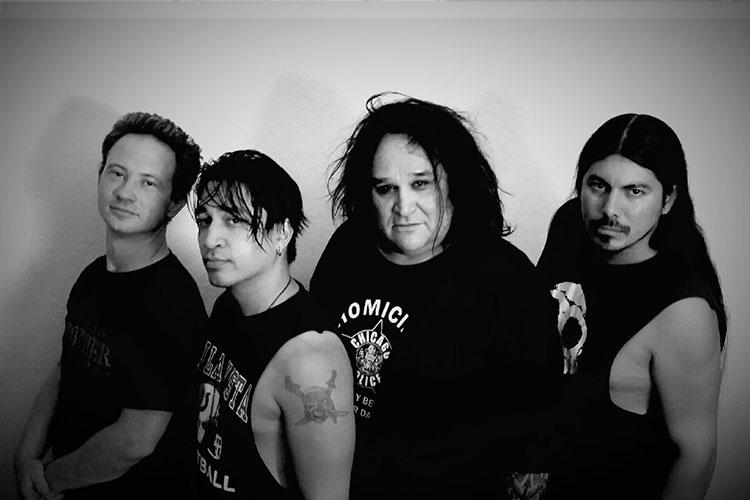
Broken Bones’ Spotify BioBritish punk band Broken Bones have long been stalwarts on the U.K. hardcore scene and have also found a fan base among metal fans for the muscular ferocity of their attack. Led by former Discharge guitarist Anthony "Bones" Roberts, the sole constant through decades of lineup shifts, Broken Bones deliver stripped-down tunes that owe a debt to their peers in the second and third waves of U.K. punk, but Roberts' guitar work and the bitter hostility of the lyrics helped anticipate thrash metal, and both Metallica and Slayer have cited the group as an influence. The band staked out their initial territory on their debut, 1984's Dem Bones, while F.O.A.D., released three years later, found their metal influences edging into the spotlight, a sound that would dominate their work well into the 2000s.
Broken Bones was formed in 1983 by guitarist Anthony "Bones" Roberts and bassist Terence "Tezz" Roberts, brothers who were founding members of the influential U.K. punk band Discharge. Teaming with… singer Nick "Nobby" Dobson on vocals and drummer Darren "Baz" Burgress, the band released their first single, "Decapitated," in January 1984, and their second 7", "Crucifix," appeared the following May. By the time Broken Bones dropped their debut album, Dem Bones, later that year, they'd gone through the first of many personnel changes when Tezz left the group to join the U.K. Subs and Paul "Oddy" Hoddy, a roadie for the group, took over on bass. Broken Bones toured Europe and the United States in support, and before the year was out, the German label Aggressive Rock Produktionen released the EP I.O.U. Nothing, which collected material from the first two singles.
After playing a string of dates in the United States, vocalist Nobby decided to relocate to America, and Broken Bones decided to move forward as a trio, with Oddy handling vocals as well as bass. The three-piece Broken Bones cut the 1985 single "See Through My Eyes," which rose to number six on the U.K. independent singles chart, as well as the album Bonecrusher, initially released only in the United States by Combat Core Records. By the end of 1985, bassist Oddy left Broken Bones and Tezz came back to the band, with this lineup recording their third album, 1987's F.O.A.D., which found them boosting the metal side of their musical formula. The same year, Broken Bones also dropped an EP, Trader in Death, but it proved to be the curtain call for that edition of the group, and when the band next got together in the recording studio, Bones Roberts had assembled a whole new band, featuring lead singer Quiv, bassist Darren "Thrasher" Harris, and drummer Cliff. Losing Control arrived in stores in 1989, followed by the 1991 album Stitched Up and the 1992 single "Religion Is Responsible."
Following the "Religion Is Responsible" single, Broken Bones went dormant for a while, but in 1996, the band started playing live dates, with Bones Roberts joined by Quiv on lead vocals, Oddy on bass, and Dave on drums. While the group's metal side was still present, Broken Bones put a greater emphasis on their original hardcore punk influences in this incarnation. In time, the band made its way back to the studio, releasing Without Conscience in 2001, with Time for Anger, Not Justice following in 2004. The unusually defiant Fuck You and Everything You Stand For was issued in 2009, with the band touring with the U.K. Subs in support. In 2010, this lineup of Broken Bones splintered, and Bones Roberts once again started over with another set of musicians. Joining Bones was Tezz on bass, Karl "Egghead" Morris (formerly of the Exploited) on rhythm guitar, Andy Dawson (ex-Billy Club) on drums, and Jeff "JJ" Janiak on lead vocals. Broken Bones once again hit the road for live work, and it wasn't long before the membership began to shift again, with Morris dropping out and Dawson stepping down from behind the drums to be replaced by returning timekeeper Dave. In 2018, the group released an archival set titled Broken Bones, which collects four of the band's studio albums (Dem Bones, Decapitated, F.O.A.D., and Bonecrusher) along with a vintage live recording (Live at the 100 Club). ~ Mark Deming, Rovi
Viberate is a music analytics platform built for A&Rs, artist managers, labels, booking agents, marketers, and artists.
It helps music professionals track artist growth, analyze audience data, monitor playlist activity, compare artists, follow song performance, and identify opportunities across the music market.
Public artist pages provide a free preview of selected artist data. Paid plans provide access to deeper analytics, historical data, charts, comparisons, playlist tools, exports, alerts, reports, and additional professional features.
Yes. Public Viberate artist pages provide selected artist analytics and music data for free.
Viberate also offers a 7-day free trial of the full platform. A credit card is required to start the trial. The trial includes access to the complete product so users can test deeper artist analytics, historical views, playlist insights, comparisons, charts, exports, alerts, and reporting features before choosing a paid plan.
Viberate provides artist analytics across streaming, playlists, social media, video, radio airplay, songs, and audience markets.
Users can analyze Spotify performance, Spotify and Apple Music playlists, YouTube activity, TikTok and Instagram growth, radio spins, song performance, audience locations, demographics, rankings, and overall artist momentum.
Artist profiles also connect to music charts, similar artists, and comparison tools, helping users benchmark performance and evaluate artists in context.
Viberate updates key artist and track data daily.
For followed artists and tracks, selected data is refreshed multiple times per day. This helps teams monitor playlist changes, streaming movement, audience growth, releases, and campaign performance with more current data.
Update frequency can vary depending on the metric and data source.
Yes. Viberate lets users compare up to five artists side by side across streaming, social media, audience, and engagement metrics.
Users can compare fanbase growth, audience demographics, locations, Spotify performance, social metrics, and other artist data over selected time periods.
Artist comparison can be used for A&R scouting, benchmarking, booking decisions, campaign planning, and evaluating artists with similar audiences or market positions.