Randy Montana

Country
Contemporary Country
Americana/Alt Country
 Viberate Rank: 209728
 Viberate Rank: 209728
 Monthly ListenersFollowers
 Subscribers
 Followers
 Followers
 FansTop Spotify Songs
| Track | 7-Day Streams | |
|---|---|---|
1 | 422 | |
2 | 302 | |
3 | 257 | |
4 | 165 | |
5 | 128 |
Top YouTube VideosMonthly ListenersFeatured in Playlists| Playlist | Followers | |
|---|---|---|
1 |  Written By . . . Chris Stapleton Chris Stapleton | 66.85K |
2 | Jody Riehl Dunaway | 23.32K |
3 | Blue Collar/Working man songs Jarod Jackson | 20.48K |
4 | Lynard Skynard Ruth Humphrey De Tro | 13.00K |
5 |  No Shoes Radio Bill Cheatham | 11.47K |
Audience| City | Monthly Listeners | |
|---|---|---|
1 | | 86 |
2 | | 83 |
3 | | 70 |
4 | | 64 |
5 | | 57 |
See full performance history, audience data, playlist activity, rankings, comparisons, and more in Viberate music analytics. Start with a free trial, then continue with a paid plan.
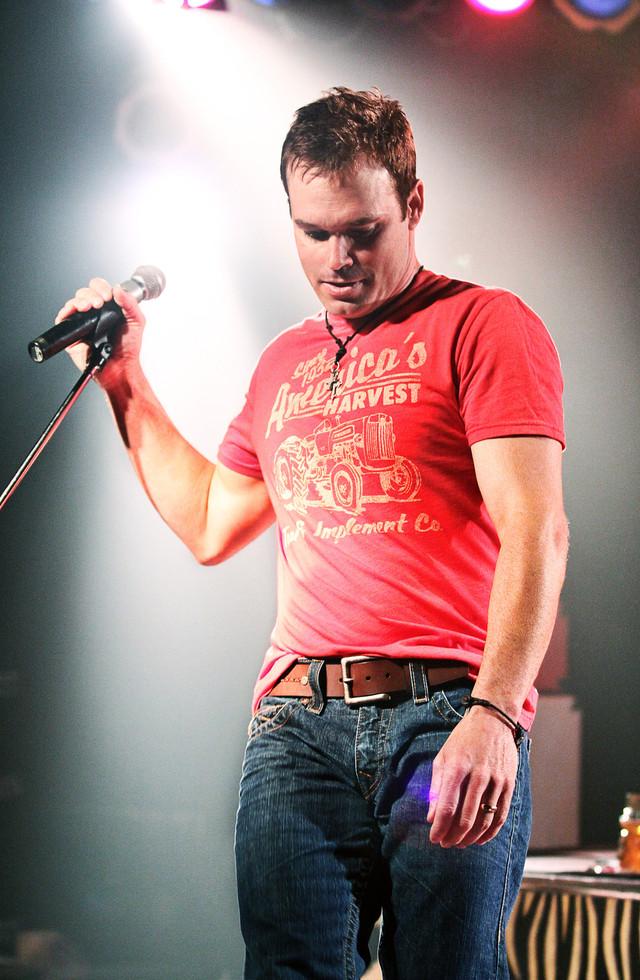
Randy Montana’s Spotify BioCountry singer and songwriter Randy Montana started off with a pretty good pedigree. Born September 25, 1985 in Albany, New York, Montana is the son of singer and songwriter Billy Montana, who penned number one singles for the likes of Garth Brooks, Sara Evans, and Jo Dee Messina. Montana moved to Nashville in 1988 when Billy signed a record deal with Warner Bros., and he grew up around the music scene there, attending his father’s gigs and learning how the business worked. The younger Montana started playing guitar when he was 10, began writing songs at the age of 16, and first performed publicly at one of his father’s writers’ nights at the age of 17. A high school athlete, Montana earned a college football scholarship, but opted to play soccer instead when he attended Nashville’s Trevecca Nazarene University. He eventually transferred his studies to Middle Tennessee State University. He played in a band called "Homestead" during his college years, gigging at local fraternity parties… and bars; eventually music won out, and he left college, working odd jobs while he wrote songs and looked for a publishing deal. He found that deal in 2008 when he signed with Sony Music Publishing, where his song catalog caught the attention of Universal Music Group Nashville's Joe Fisher. Montana soon signed a recording deal with Mercury Nashville, a division of Universal Music Group Nashville, who released an impressive first single, “Ain’t Much Left of Lovin’ You,” in advance of his debut album, the self-titled Randy Montana, which finally appeared in 2011. ~ Steve Leggett, Rovi
Viberate is a music analytics platform built for A&Rs, artist managers, labels, booking agents, marketers, and artists.
It helps music professionals track artist growth, analyze audience data, monitor playlist activity, compare artists, follow song performance, and identify opportunities across the music market.
Public artist pages provide a free preview of selected artist data. Paid plans provide access to deeper analytics, historical data, charts, comparisons, playlist tools, exports, alerts, reports, and additional professional features.
Yes. Public Viberate artist pages provide selected artist analytics and music data for free.
Viberate also offers a 7-day free trial of the full platform. A credit card is required to start the trial. The trial includes access to the complete product so users can test deeper artist analytics, historical views, playlist insights, comparisons, charts, exports, alerts, and reporting features before choosing a paid plan.
Viberate provides artist analytics across streaming, playlists, social media, video, radio airplay, songs, and audience markets.
Users can analyze Spotify performance, Spotify and Apple Music playlists, YouTube activity, TikTok and Instagram growth, radio spins, song performance, audience locations, demographics, rankings, and overall artist momentum.
Artist profiles also connect to music charts, similar artists, and comparison tools, helping users benchmark performance and evaluate artists in context.
Viberate updates key artist and track data daily.
For followed artists and tracks, selected data is refreshed multiple times per day. This helps teams monitor playlist changes, streaming movement, audience growth, releases, and campaign performance with more current data.
Update frequency can vary depending on the metric and data source.
Yes. Viberate lets users compare up to five artists side by side across streaming, social media, audience, and engagement metrics.
Users can compare fanbase growth, audience demographics, locations, Spotify performance, social metrics, and other artist data over selected time periods.
Artist comparison can be used for A&R scouting, benchmarking, booking decisions, campaign planning, and evaluating artists with similar audiences or market positions.