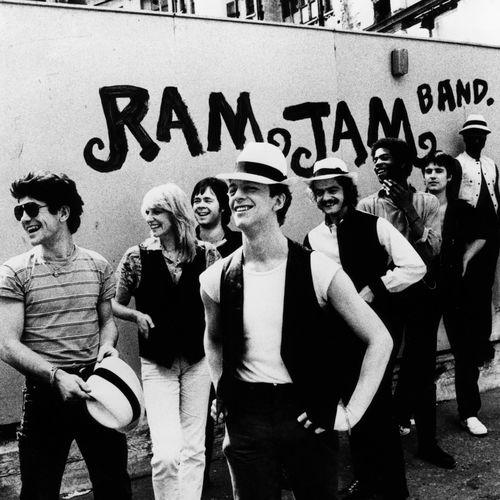
Ram Jam

Blues
Blues Rock
Hard Rock
 Viberate Rank: 14429
 Viberate Rank: 14429
 Monthly ListenersFollowers
 Subscribers
 Followers
 Followers
 FansTop Spotify Songs
| Track | 7-Day Streams | |
|---|---|---|
1 | 1.92M | |
2 | 3.50K | |
3 | 2.24K | |
4 | 2.12K | |
5 | 1.63K |
Top YouTube Videos| Video | 7-Day Views | |
|---|---|---|
1 | 993.00K | |
2 | 8.96K | |
3 | 991 | |
4 | 747 | |
5 | 515 |
Monthly ListenersFeatured in Playlists| Playlist | Followers | |
|---|---|---|
1 |  All Out 70s Spotify | 5.89M |
2 |  70s Rock Anthems Spotify | 3.15M |
3 |  Classic Rock Drive Spotify | 1.32M |
4 |  Classic Rock Workout Spotify | 863.17K |
5 |  Classic Rock Songs 60s 70s 80s 90s Music-Hits_. | 788.24K |
Audience| City | Monthly Listeners | |
|---|---|---|
1 |  | 65.48K |
2 | | 64.40K |
3 | | 61.47K |
4 |  | 41.17K |
5 |  | 39.03K |
See full performance history, audience data, playlist activity, rankings, comparisons, and more in Viberate music analytics. Start with a free trial, then continue with a paid plan.
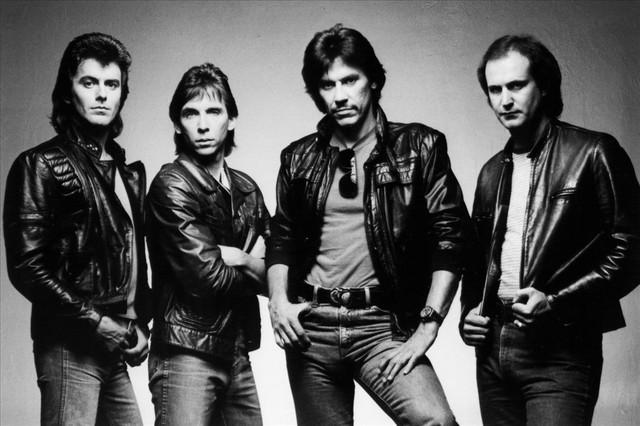
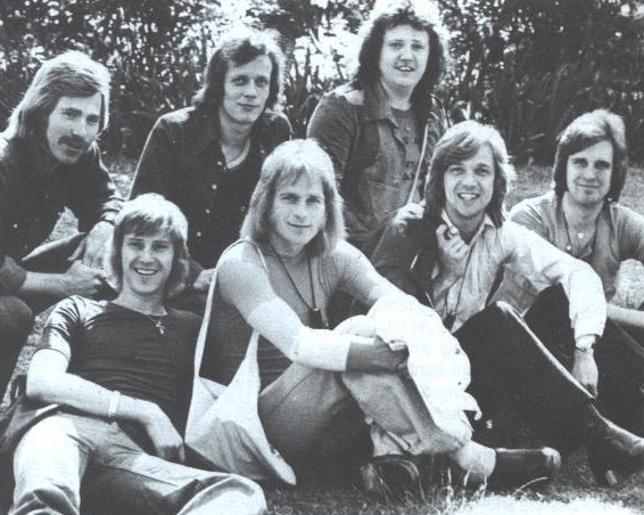
Ram Jam’s Spotify BioThe members of Ram Jam were Bill Bartlett (former lead guitarist of the Lemon Pipers), Peter Charles (drummer), Myke Scavone (lead singer), and Howie Arthur Blauvett, who sang with Billy Joel in two earlier groups (the Hassles and El Primo). Ram Jam's only hit, "Black Betty," created quite a stir when Epic released it. The recording session was the brainstorm of Bartlett and bubblegum producers Jerry Kasenetz and Jeff Katz. Two Civil Rights groups, the N.A.A.C.P. and C.O.R.E., called for a boycott of the song, claiming it insulted Black women. Despite the controversy, it still reached the number 18 spot on Billboard's pop chart in September 1977. The Cincinnati band Starstruck had released a more driving, riveting version of "Black Betty" on the Truckstar label before Ram Jam's version came out. Starstruck's version received little airplay or recognition; ironically, future Ram Jam member Bartlett had been a member of Starstruck when they recorded "Black Betty."
In the early '90s the… producers remixed "Black Betty" and got an international hit for their efforts. The band released two LPs: Ram Jam (1977) and Portrait of the Artist as a Young Ram (1978). Epic issued three singles by the rockers. Blauvelt joined Spitball, a funky blues-type band, in the '90s, and performed with them until he died of a heart attack. Billy Joel often dedicates "We Didn't Start the Fire" to Blauvelt when he performs live. ~ Andrew Hamilton, Rovi
Viberate is a music analytics platform built for A&Rs, artist managers, labels, booking agents, marketers, and artists.
It helps music professionals track artist growth, analyze audience data, monitor playlist activity, compare artists, follow song performance, and identify opportunities across the music market.
Public artist pages provide a free preview of selected artist data. Paid plans provide access to deeper analytics, historical data, charts, comparisons, playlist tools, exports, alerts, reports, and additional professional features.
Yes. Public Viberate artist pages provide selected artist analytics and music data for free.
Viberate also offers a 7-day free trial of the full platform. A credit card is required to start the trial. The trial includes access to the complete product so users can test deeper artist analytics, historical views, playlist insights, comparisons, charts, exports, alerts, and reporting features before choosing a paid plan.
Viberate provides artist analytics across streaming, playlists, social media, video, radio airplay, songs, and audience markets.
Users can analyze Spotify performance, Spotify and Apple Music playlists, YouTube activity, TikTok and Instagram growth, radio spins, song performance, audience locations, demographics, rankings, and overall artist momentum.
Artist profiles also connect to music charts, similar artists, and comparison tools, helping users benchmark performance and evaluate artists in context.
Viberate updates key artist and track data daily.
For followed artists and tracks, selected data is refreshed multiple times per day. This helps teams monitor playlist changes, streaming movement, audience growth, releases, and campaign performance with more current data.
Update frequency can vary depending on the metric and data source.
Yes. Viberate lets users compare up to five artists side by side across streaming, social media, audience, and engagement metrics.
Users can compare fanbase growth, audience demographics, locations, Spotify performance, social metrics, and other artist data over selected time periods.
Artist comparison can be used for A&R scouting, benchmarking, booking decisions, campaign planning, and evaluating artists with similar audiences or market positions.