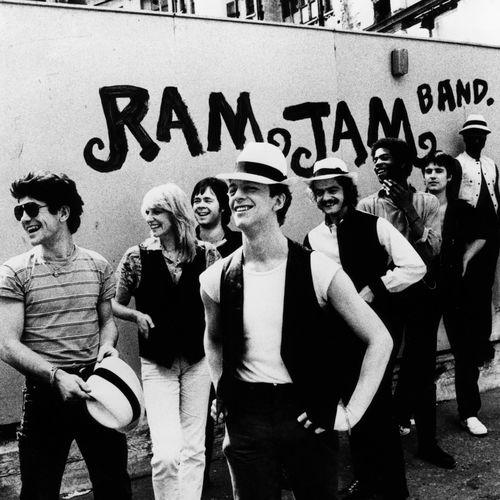
Norman Greenbaum

Rock
Psychedelic Rock
Hard Rock
 Viberate Rank: 14712
 Viberate Rank: 14712
 Monthly ListenersFollowers
 Subscribers
 Followers
 Followers
 FansTop Spotify Songs
| Track | 7-Day Streams | |
|---|---|---|
1 | 1.58M | |
2 | 3.79K | |
3 | 3.33K | |
4 | 1.26K | |
5 | 1.16K |
Top YouTube Videos| Video | 7-Day Views | |
|---|---|---|
1 | 179.01K | |
2 | 57.89K | |
3 | 46.38K | |
4 | 26.00K | |
5 | 24.16K |
Monthly ListenersFeatured in Playlists| Playlist | Followers | |
|---|---|---|
1 |  Guardians of the Galaxy: The Official Mixtape Spotify | 2.37M |
2 |  Guardians of the Galaxy Vol. 1, 2, 3 past'elle records | 1.17M |
3 |  Classic Rock Radio 70s, 80s & 90s - Mejores Clásicos del Rock en Inglés Rock Louder | 1.05M |
4 |  Classic Rock Songs 60s 70s 80s 90s Music-Hits_. | 788.24K |
5 |  Vietnam War Music Extra Music | 754.34K |
Audience| City | Monthly Listeners | |
|---|---|---|
1 |  | 66.52K |
2 | | 60.69K |
3 | | 60.09K |
4 | | 40.21K |
5 |  | 38.77K |
See full performance history, audience data, playlist activity, rankings, comparisons, and more in Viberate music analytics. Start with a free trial, then continue with a paid plan.
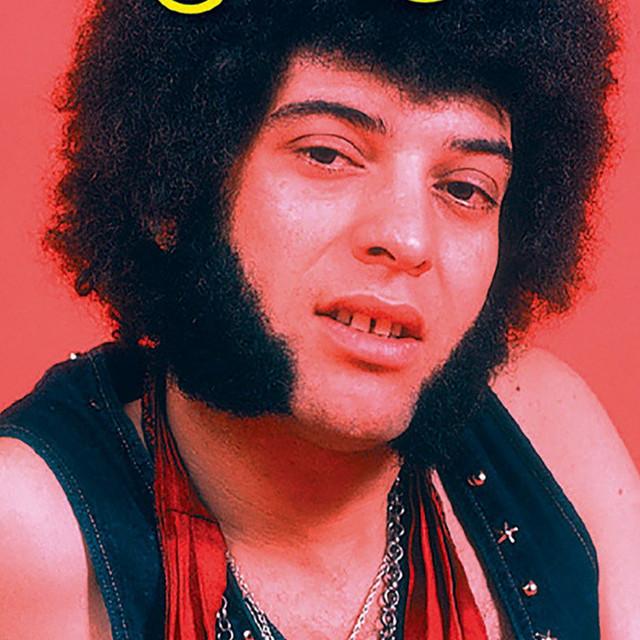
Norman Greenbaum’s Spotify BioBest-known for his 1970 hit "Spirit in the Sky," singer/songwriter Norman Greenbaum was born November 20, 1942, in Malden, MA. He began his musical career while a student at Boston University, playing area coffeehouses before relocating to the West Coast during the mid-'60s and forming a kind of psychedelic jug band dubbed Dr. West's Medicine Show and Junk Band. After issuing the 1966 single "The Eggplant That Ate Chicago," which fell just shy of reaching the Top 50, the group disbanded, and Greenbaum subsequently formed a series of short-lived acts before finally returning to his solo career in 1968. A year later he issued his debut LP, Spirit in the Sky, releasing several unsuccessful singles before reaching the Top Three with the smash title track, which sold some two million copies. It proved to be Greenbaum's only hit, however, as follow-ups like 1970's "Canned Ham" and the next year's "California Earthquake" tanked; after the release of 1972's Petaluma, he retreated from music to… focus on his California dairy farm, but returned to show business during the mid-'80s in a managerial capacity, also promoting a number of concerts. ~ Jason Ankeny, Rovi
Viberate is a music analytics platform built for A&Rs, artist managers, labels, booking agents, marketers, and artists.
It helps music professionals track artist growth, analyze audience data, monitor playlist activity, compare artists, follow song performance, and identify opportunities across the music market.
Public artist pages provide a free preview of selected artist data. Paid plans provide access to deeper analytics, historical data, charts, comparisons, playlist tools, exports, alerts, reports, and additional professional features.
Yes. Public Viberate artist pages provide selected artist analytics and music data for free.
Viberate also offers a 7-day free trial of the full platform. A credit card is required to start the trial. The trial includes access to the complete product so users can test deeper artist analytics, historical views, playlist insights, comparisons, charts, exports, alerts, and reporting features before choosing a paid plan.
Viberate provides artist analytics across streaming, playlists, social media, video, radio airplay, songs, and audience markets.
Users can analyze Spotify performance, Spotify and Apple Music playlists, YouTube activity, TikTok and Instagram growth, radio spins, song performance, audience locations, demographics, rankings, and overall artist momentum.
Artist profiles also connect to music charts, similar artists, and comparison tools, helping users benchmark performance and evaluate artists in context.
Viberate updates key artist and track data daily.
For followed artists and tracks, selected data is refreshed multiple times per day. This helps teams monitor playlist changes, streaming movement, audience growth, releases, and campaign performance with more current data.
Update frequency can vary depending on the metric and data source.
Yes. Viberate lets users compare up to five artists side by side across streaming, social media, audience, and engagement metrics.
Users can compare fanbase growth, audience demographics, locations, Spotify performance, social metrics, and other artist data over selected time periods.
Artist comparison can be used for A&R scouting, benchmarking, booking decisions, campaign planning, and evaluating artists with similar audiences or market positions.