Ralph Kirshbaum

Classical
Classical Crossover
Orchestral
Chamber Music
 Viberate Rank: 259938
 Viberate Rank: 259938
 Monthly ListenersFollowers
 Subscribers
 Followers
 Followers
 FansTop Spotify Songs
| Track | 7-Day Streams | |
|---|---|---|
1 | 13.68K | |
2 | 274 | |
3 | 208 | |
4 | 177 | |
5 | 148 |
Top YouTube VideosMonthly ListenersFeatured in Playlists| Playlist | Followers | |
|---|---|---|
1 |  richardscottsanderson | 25.28K |
2 |  Bach Chello Suites David Bowles | 5.09K |
3 |  Noviembre Nocturno noviembrenocturno | 4.10K |
4 |  Classical Cello Kassy | 3.11K |
5 |  The Year - classical music for each day theyear | 1.70K |
Audience| City | Monthly Listeners | |
|---|---|---|
1 |  | 1.19K |
2 |  | 886 |
3 |  | 719 |
4 |  | 498 |
5 |  | 399 |
See full performance history, audience data, playlist activity, rankings, comparisons, and more in Viberate music analytics. Start with a free trial, then continue with a paid plan.
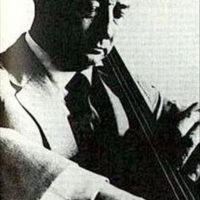
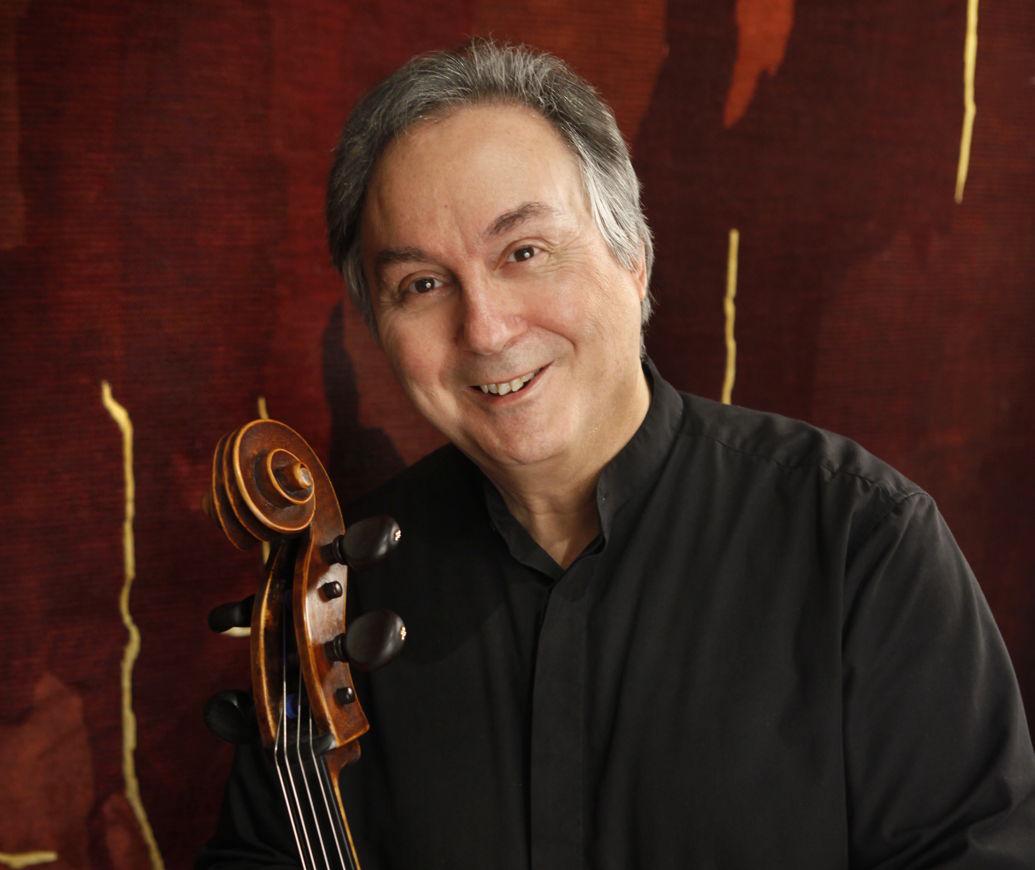
Ralph Kirshbaum’s Spotify BioRalph Kirschbaum's family was musical: His father was a professional violinist and conductor, his mother a harpist, and his brothers and sisters were a violinist, a violist, and a pianist. Kirschbaum decided on cello and had his first lessons on the instrument from his father. At age 11, he began three years of study with Roberta Gustafeste then went to study with Lev Aronson, a teacher of renown who was the principal cellist of the Dallas Symphony and also was the teacher of Lynn Harrell. When Kirschbaum turned 18, Aronson recommended that he study with the great Gregor Piatigorsky (his own teacher). However, Kirschbaum had seen in his family how difficult it could be to make a living as a professional musician, so he opted to continue academic studies instead, no doubt also prompted by the fact that he had earned a scholarship to Yale University. This was far from a rejection of his cello studies; at Yale, Kirschbaum was able to study with Aldo Parisot, a brilliant cellist who… followed the line of Emanuel Feuermann. Kirschbaum never regretted his choice, noting that Aronson instilled great musicality in his students and was especially fine in teaching bowing technique. Parisot had a virtuoso left-hand technique and so concentrated on Kirschbaum's fingering. He has pointed to the benefits of an education balanced between two renowned but different teachers. When Kirschbaum returned to Dallas, even Aronson, who had been disappointed that his student turned down an opportunity to study with Piatigorsky, said that he was satisfied with Kirschbaum's development.
Kirschbaum won a Fulbright Scholarship to study in Europe in 1968. This was in accordance with his goal, which was to start his professional career in Europe (a decision made by many American musicians). However, it was 1968, the Vietnam War was on, and Kirschbaum had received his draft physical examination. Since he might be unable to use it, he suggested the Fulbright trustees award it to someone else. However, a physician found that Kirschbaum had flat feet and would not pass the physical. (To be sure, this doctor, an Englishman who loved music, was the tenth doctor Kirschbaum consulted; the others had all passed him.)
Kirschbaum studied in Paris for a year on a French government grant and in 1970, he won the Tchaikovsky Competition in Moscow. As a result, the French extended his grant for another year. Kirschbaum values this two-year period as a great benefit that allowed him to consolidate his technique and musical knowledge. However, he also began concertizing during this period and his London debut was in 1970 at Wigmore Hall. He returned to London to make his first orchestral appearance, playing Tchaikovsky's Variations on a Rococo Theme with London's New Philharmonia Orchestra. Fellow cellist Jacqueline Du Pré generously loaned him her famous "Davidov" Stradivari instrument for that debut. (Subsequently, Kirschbaum acquired one of the great cellos, the "Piatti" cello, built by Montagnana in 1729.)
A major chamber ensemble was formed when Kirschbaum met pianist Peter Frankl and violinist Gyorgy Pauk. These two players, although they have not achieved household "star name" status, enjoy the highest repute among musicians and other cognoscenti and for years had been recital partners who had been looking for a cellist with whom to form a trio. Despite Kirschbaum's being ten years younger than they were, there was an instant rapport, which they realized as soon as they played together. Their first performance was a concert at the Edinburgh Festival that was broadcast live on the BBC to great acclaim. The British network quickly engaged them to play a series of what would add up to 30 trio performances. Despite all three members enjoying busy concert careers on their own, the Frankl-Pauk-Kirschbaum Trio usually gives 15 concerts each year. In 1976, Kirschbaum returned to his native land to make a debut in New York at the Metropolitan Museum of Art. He has taught at the Royal Northern College of Music and at the University of Southern California. His numerous recordings, including the Elgar and Walton concertos and (with Pauk and violist Nobuko Imai) the Triple Concerto by Michael Tippett.
Viberate is a music analytics platform built for A&Rs, artist managers, labels, booking agents, marketers, and artists.
It helps music professionals track artist growth, analyze audience data, monitor playlist activity, compare artists, follow song performance, and identify opportunities across the music market.
Public artist pages provide a free preview of selected artist data. Paid plans provide access to deeper analytics, historical data, charts, comparisons, playlist tools, exports, alerts, reports, and additional professional features.
Yes. Public Viberate artist pages provide selected artist analytics and music data for free.
Viberate also offers a 7-day free trial of the full platform. A credit card is required to start the trial. The trial includes access to the complete product so users can test deeper artist analytics, historical views, playlist insights, comparisons, charts, exports, alerts, and reporting features before choosing a paid plan.
Viberate provides artist analytics across streaming, playlists, social media, video, radio airplay, songs, and audience markets.
Users can analyze Spotify performance, Spotify and Apple Music playlists, YouTube activity, TikTok and Instagram growth, radio spins, song performance, audience locations, demographics, rankings, and overall artist momentum.
Artist profiles also connect to music charts, similar artists, and comparison tools, helping users benchmark performance and evaluate artists in context.
Viberate updates key artist and track data daily.
For followed artists and tracks, selected data is refreshed multiple times per day. This helps teams monitor playlist changes, streaming movement, audience growth, releases, and campaign performance with more current data.
Update frequency can vary depending on the metric and data source.
Yes. Viberate lets users compare up to five artists side by side across streaming, social media, audience, and engagement metrics.
Users can compare fanbase growth, audience demographics, locations, Spotify performance, social metrics, and other artist data over selected time periods.
Artist comparison can be used for A&R scouting, benchmarking, booking decisions, campaign planning, and evaluating artists with similar audiences or market positions.