Pierre Fournier

Classical
Chamber Music
 Viberate Rank: 128354
 Viberate Rank: 128354
 Monthly ListenersFollowers
 Subscribers
 Followers
 Followers
 FansTop Spotify Songs
| Track | 7-Day Streams | |
|---|---|---|
1 | 28.58K | |
2 | 3.99K | |
3 | 2.84K | |
4 | 1.40K | |
5 | 797 |
Top YouTube VideosMonthly ListenersFeatured in Playlists| Playlist | Followers | |
|---|---|---|
1 |  Best Classical Music Peaceful Classics | 857.62K |
2 |  Cello Melancholy Classics To Go | 48.89K |
3 |  VIOLONCELLO Barko | 37.70K |
4 |  Calm Classics Peaceful Classics | 31.40K |
5 |  Schubert - Best of Deutsche Grammophon (DG) | 31.36K |
Audience| City | Monthly Listeners | |
|---|---|---|
1 |  | 2.06K |
2 |  | 2.04K |
3 |  | 1.73K |
4 | | 1.47K |
5 | | 1.26K |
See full performance history, audience data, playlist activity, rankings, comparisons, and more in Viberate music analytics. Start with a free trial, then continue with a paid plan.
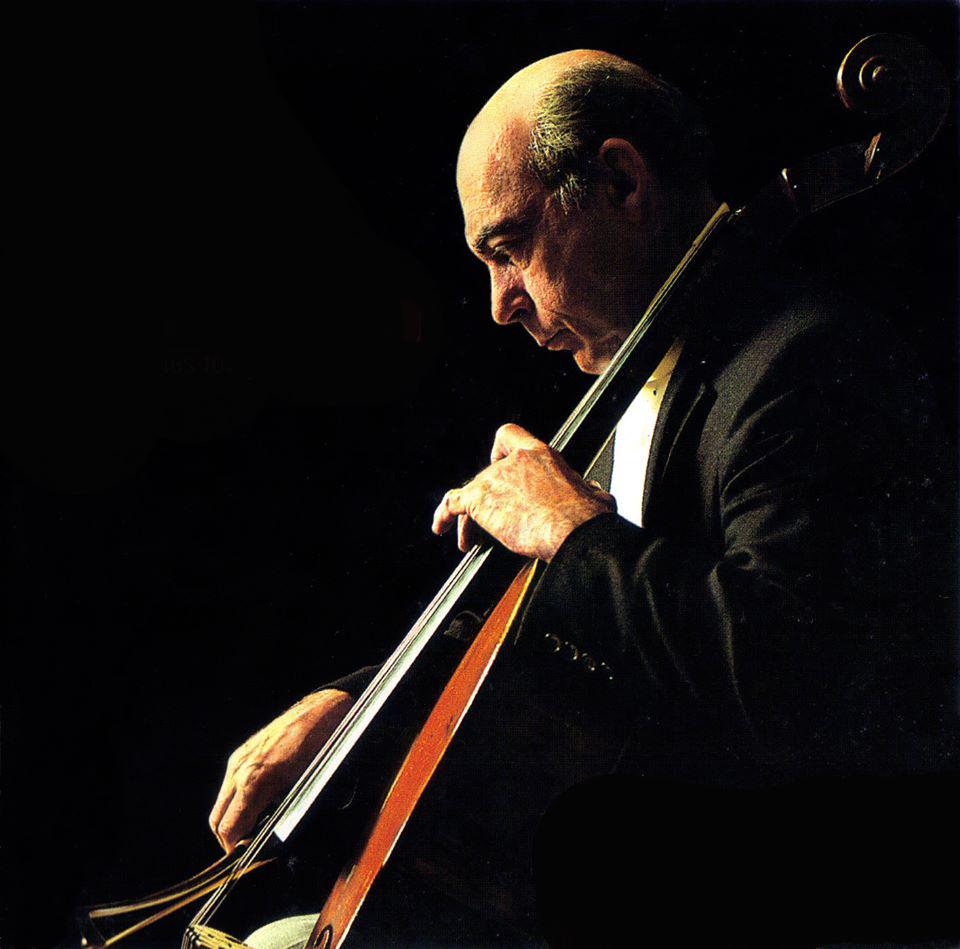
Pierre Fournier’s Spotify BioPierre Léon Marie Fournier was born into a military family. His father was a general; his mother was musical and taught him piano lessons. At the age of 9, he suffered a mild attack of polio. Weakness of his legs made pedaling the piano difficult. So he turned to the cello, and after making rapid progress, he was admitted to the Paris Conservatoire. His teachers there were Paul Bazelaire and Anton Hekking; he graduated in 1924 at the age of 17. Fournier made his debut the year after his graduation. This was a solo appearance with the Concerts Colonne Orchestra, which received favorable notices. The almost invariable comment in reviews was the perfection of his bowing technique. He began a successful career as a touring concert artist and as a performer in chamber music concerts, gaining a great reputation in Europe.
In 1937 to 1939, he was the director of cello studies at the Ecole Normal. It was often said that he became a friendly rival with his contemporary, cellist Paul Tortelier,… and after attending a Tortelier concert remarked to him, "Paul, I wish I had your left hand." Tortelier responded, "Pierre, I wish I had your right." To Fournier, the secret of his great right hand (i.e., bowing technique) was keeping the elbow high, holding the bow firmly, but allowing the hand and arm to move fluidly. He prescribed the Sevcik violin bowing studies for his cello students.
In 1941, he became a member of the faculty at the Paris Conservatoire, but during the war years, his concert touring career was impossible. Once the war was over, though, was able to resume and he rapidly increased in fame and international stature. His old audience found that he had grown in artistic depth. Hungarian violinist Joseph Szigeti, meeting Fournier in rehearsals for a 1947 Edinburgh Festival appearance, had not heard him for over ten years and wrote that he was "tremendously impressed by the Apollonian beauty and poise that his playing had acquired in the intervening years. Szigeti, Fournier, violist William Primrose, and pianist Artur Schnabel formed a piano quartet in those years and gave some fabled concerts at which they played virtually all of Schubert's and Brahms' piano chamber music. Sadly, the BBC acetate air checks of this cycle were allowed to deteriorate and have been lost.
Fournier made his first U.S. tour in 1948. His chamber music partner Artur Schnabel spread the word among cellists, other musicians, and critics that they were to be visited by a great new cellist. The New York and Boston critics were ecstatic. He had to give up his Conservatoire post because of his expanding concert career; he appeared in Moscow for the first time in 1959. Commentator Lev Grinberg wrote that he was notable for a romantic interpretation; clarity of form; vivid phrasing; and clean, broad bowing all "aimed at revealing the content."
He had a broad repertoire, including Bach, Boccherini, the Romantics, Debussy, Hindemith, and Prokofiev. Composers Martinu, Martinon, Martin, Roussel, and Poulenc all wrote works for him. He had a standing Friday night date to privately play chamber music with Alfred Cortot, the eminent French pianist, at which they might be visited by musicians like Jacques Thibaud. In 1953, he became a Chevalier of the Legion of Honor and was promoted to officer in 1963.
In 1972, he retired to Switzerland and gave master classes. He still gave concerts, even as late as 1984 when he was 78, and a London critic praised the fluency of his playing and his strong and solid left-hand technique.
Viberate is a music analytics platform built for A&Rs, artist managers, labels, booking agents, marketers, and artists.
It helps music professionals track artist growth, analyze audience data, monitor playlist activity, compare artists, follow song performance, and identify opportunities across the music market.
Public artist pages provide a free preview of selected artist data. Paid plans provide access to deeper analytics, historical data, charts, comparisons, playlist tools, exports, alerts, reports, and additional professional features.
Yes. Public Viberate artist pages provide selected artist analytics and music data for free.
Viberate also offers a 7-day free trial of the full platform. A credit card is required to start the trial. The trial includes access to the complete product so users can test deeper artist analytics, historical views, playlist insights, comparisons, charts, exports, alerts, and reporting features before choosing a paid plan.
Viberate provides artist analytics across streaming, playlists, social media, video, radio airplay, songs, and audience markets.
Users can analyze Spotify performance, Spotify and Apple Music playlists, YouTube activity, TikTok and Instagram growth, radio spins, song performance, audience locations, demographics, rankings, and overall artist momentum.
Artist profiles also connect to music charts, similar artists, and comparison tools, helping users benchmark performance and evaluate artists in context.
Viberate updates key artist and track data daily.
For followed artists and tracks, selected data is refreshed multiple times per day. This helps teams monitor playlist changes, streaming movement, audience growth, releases, and campaign performance with more current data.
Update frequency can vary depending on the metric and data source.
Yes. Viberate lets users compare up to five artists side by side across streaming, social media, audience, and engagement metrics.
Users can compare fanbase growth, audience demographics, locations, Spotify performance, social metrics, and other artist data over selected time periods.
Artist comparison can be used for A&R scouting, benchmarking, booking decisions, campaign planning, and evaluating artists with similar audiences or market positions.