Ralph Carney

Jazz
Avant-garde Jazz
 Viberate Rank: 222456
 Viberate Rank: 222456
 Monthly ListenersFollowers
 Subscribers
 Followers
 Followers
 FansTop Spotify Songs
| Track | 7-Day Streams | |
|---|---|---|
1 | 22.95K | |
2 | 19.99K | |
3 | 1.92K | |
4 | 36 | |
5 | 12 |
Top YouTube VideosMonthly ListenersFeatured in Playlists| Playlist | Followers | |
|---|---|---|
1 |  Bojack Horseman (Seasons 1-6) Anna Marie Witthohn | 39.75K |
2 | Stoned 🍃💨 Vicky | 34.60K |
3 |  Bojack Horseman Soundtrack Ettore | 27.91K |
4 |  Tom Waits Complete Tom Waits | 26.45K |
5 | songs from random movies that hit evonne | 26.36K |
Audience| City | Monthly Listeners | |
|---|---|---|
1 | | 4 |
2 |  | 4 |
3 | | 4 |
4 |  | 4 |
5 | | 4 |
See full performance history, audience data, playlist activity, rankings, comparisons, and more in Viberate music analytics. Start with a free trial, then continue with a paid plan.
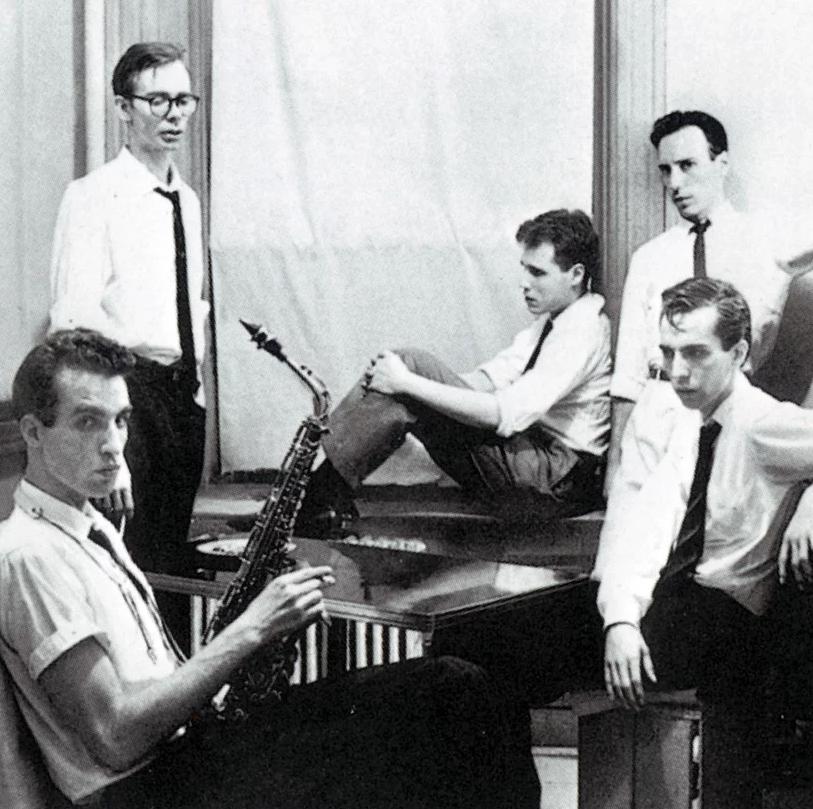
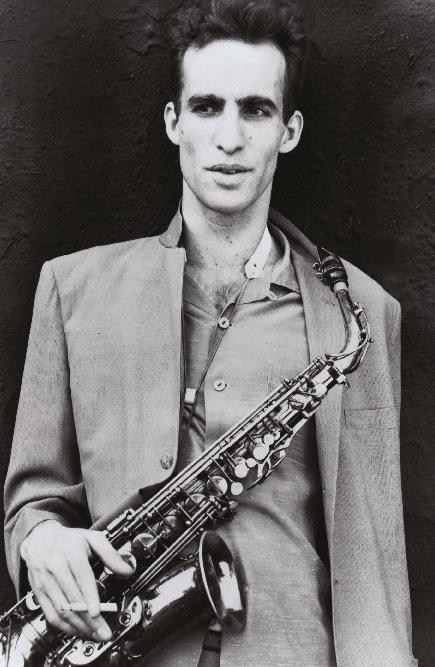
Ralph Carney’s Spotify BioProbably best known as Tom Waits' main horn player beginning with Waits' 1985 Rain Dogs album, multi-instrumentalist Ralph Carney built an impressive résumé that was both deep and wide. During his multi-decade career, Carney worked with the B-52s, the Black Keys, the Waitresses, David Thomas, Bill Laswell, Victoria Williams, Marc Ribot, Grant Lee Buffalo, Allen Ginsberg, Kathy Acker, and the Oranj Symphonette, and played saxophone, clarinet, and harmonica. However, the banjo was his first love, and he immersed himself in it, along with bluegrass and country blues, as he grew up in Akron, Ohio. As time went on he embraced jazz and rock, and punk in particular; his involvement with the burgeoning Ohio punk scene included a stint with the group Tin Huey. This early eclecticism shaped Carney into a versatile sideman as well as a wide-ranging solo artist, as his 1997 debut Ralph Sounds and 1999 follow-up I Like You (A Lot) proved. Both albums ranged from Krautrock to Dixieland jazz, and… featured him playing everything from sax to musical saw to pan pipes. Carney continued recording as a leader and session man into the new millennium, with his own albums including This Is! Ralph Carney in 2003 and Seriously in 2011. In December 2017, Carney died at age 61 in Portland, Oregon after sustaining head injuries from a fall in his home. ~ Heather Phares, Rovi
Viberate is a music analytics platform built for A&Rs, artist managers, labels, booking agents, marketers, and artists.
It helps music professionals track artist growth, analyze audience data, monitor playlist activity, compare artists, follow song performance, and identify opportunities across the music market.
Public artist pages provide a free preview of selected artist data. Paid plans provide access to deeper analytics, historical data, charts, comparisons, playlist tools, exports, alerts, reports, and additional professional features.
Yes. Public Viberate artist pages provide selected artist analytics and music data for free.
Viberate also offers a 7-day free trial of the full platform. A credit card is required to start the trial. The trial includes access to the complete product so users can test deeper artist analytics, historical views, playlist insights, comparisons, charts, exports, alerts, and reporting features before choosing a paid plan.
Viberate provides artist analytics across streaming, playlists, social media, video, radio airplay, songs, and audience markets.
Users can analyze Spotify performance, Spotify and Apple Music playlists, YouTube activity, TikTok and Instagram growth, radio spins, song performance, audience locations, demographics, rankings, and overall artist momentum.
Artist profiles also connect to music charts, similar artists, and comparison tools, helping users benchmark performance and evaluate artists in context.
Viberate updates key artist and track data daily.
For followed artists and tracks, selected data is refreshed multiple times per day. This helps teams monitor playlist changes, streaming movement, audience growth, releases, and campaign performance with more current data.
Update frequency can vary depending on the metric and data source.
Yes. Viberate lets users compare up to five artists side by side across streaming, social media, audience, and engagement metrics.
Users can compare fanbase growth, audience demographics, locations, Spotify performance, social metrics, and other artist data over selected time periods.
Artist comparison can be used for A&R scouting, benchmarking, booking decisions, campaign planning, and evaluating artists with similar audiences or market positions.