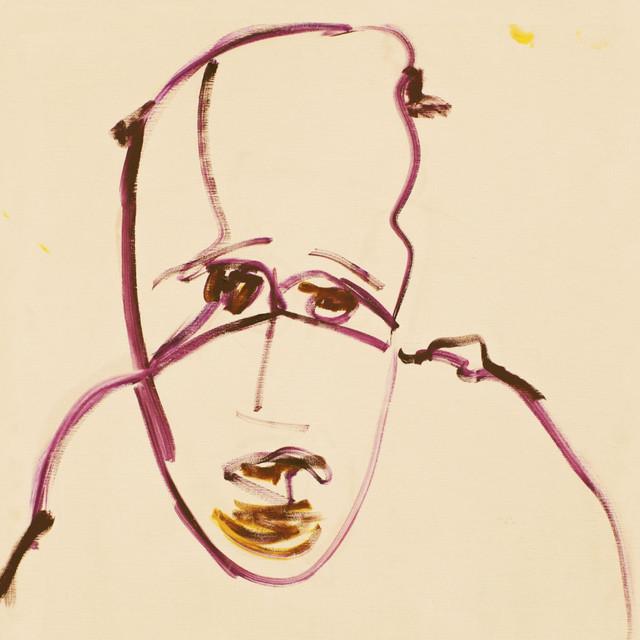
Aksak Maboul

Rock
Alternative Rock
Indie Rock
 Viberate Rank: 202946
 Viberate Rank: 202946
 Monthly ListenersFollowers
 Subscribers
 Followers
 Followers
 FansTop Spotify Songs
| Track | 7-Day Streams | |
|---|---|---|
1 | 621 | |
2 | 363 | |
3 | 311 | |
4 | 264 | |
5 | 211 |
Top YouTube VideosMonthly ListenersFeatured in Playlists| Playlist | Followers | |
|---|---|---|
1 |  Caribou - The Longest Mixtape: 1000+ Songs For You Caribou | 53.23K |
2 |  Hi guys Ross From Friends | 9.56K |
3 |  FLAG RADIO Cornelius 2024-2026 α-STATION FM KYOTO | 9.15K |
4 |  FLAG RADIO 坂本慎太郎 α-STATION FM KYOTO | 8.49K |
5 | space rock & psychedelia Edson Alejandro Adame | 8.05K |
Audience| City | Monthly Listeners | |
|---|---|---|
1 |  | 103 |
2 |  | 98 |
3 |  | 82 |
4 |  | 78 |
5 |  | 62 |
See full performance history, audience data, playlist activity, rankings, comparisons, and more in Viberate music analytics. Start with a free trial, then continue with a paid plan.
Aksak Maboul’s Spotify BioPlayfully mixing and deconstructing various genres to create its own sonic world, the seminal band hasn’t stopped changing shape and form throughout its existence (the only permanent member being its initiator, Crammed Discs boss Marc Hollander). Aksak Maboul now revolves around Hollander & Véronique Vincent. After a long gap, they’ve written & recorded a brand-new double LP, 'Figures' (out in 2020).
Hollander founded Aksak Maboul in 1977 with Vincent Kenis. Each of the band’s albums is stylistically different from the others, yet they all share common aesthetic and musical foundations. Released in 1977 and 1980, the band’s first two albums ('Onze danses pour combattre la migraine'and 'Un peu de l’âme des bandits') are avant-garde classics, a status reconfirmed by the reactions to their recent vinyl reissues.
After these inaugural releases, Hollander devoted himself to his Crammed Discs label, and resumed his activities as a musician in 2014, with the release of 'Ex-Futur Album', the… 3rd, ‘lost’ Aksak Maboul album, written & recorded with Véronique Vincent thirty years earlier. A new incarnation of the band then took back to the stage, and recorded the acclaimed ‘Figures’.
Aksak Maboul's fifth album is entitled 'Une Aventure de VV (Songspiel)'. Described as an ‘experimental audio play’, it came out in March 2023, as part of the Made To Measure series.
Viberate is a music analytics platform built for A&Rs, artist managers, labels, booking agents, marketers, and artists.
It helps music professionals track artist growth, analyze audience data, monitor playlist activity, compare artists, follow song performance, and identify opportunities across the music market.
Public artist pages provide a free preview of selected artist data. Paid plans provide access to deeper analytics, historical data, charts, comparisons, playlist tools, exports, alerts, reports, and additional professional features.
Yes. Public Viberate artist pages provide selected artist analytics and music data for free.
Viberate also offers a 7-day free trial of the full platform. A credit card is required to start the trial. The trial includes access to the complete product so users can test deeper artist analytics, historical views, playlist insights, comparisons, charts, exports, alerts, and reporting features before choosing a paid plan.
Viberate provides artist analytics across streaming, playlists, social media, video, radio airplay, songs, and audience markets.
Users can analyze Spotify performance, Spotify and Apple Music playlists, YouTube activity, TikTok and Instagram growth, radio spins, song performance, audience locations, demographics, rankings, and overall artist momentum.
Artist profiles also connect to music charts, similar artists, and comparison tools, helping users benchmark performance and evaluate artists in context.
Viberate updates key artist and track data daily.
For followed artists and tracks, selected data is refreshed multiple times per day. This helps teams monitor playlist changes, streaming movement, audience growth, releases, and campaign performance with more current data.
Update frequency can vary depending on the metric and data source.
Yes. Viberate lets users compare up to five artists side by side across streaming, social media, audience, and engagement metrics.
Users can compare fanbase growth, audience demographics, locations, Spotify performance, social metrics, and other artist data over selected time periods.
Artist comparison can be used for A&R scouting, benchmarking, booking decisions, campaign planning, and evaluating artists with similar audiences or market positions.