Raina Kabaivanska

Classical
Opera
 Viberate Rank: 205556
 Viberate Rank: 205556
 Monthly ListenersFollowers
 Subscribers
 Followers
 Followers
 FansTop Spotify Songs
| Track | 7-Day Streams | |
|---|---|---|
1 | 54 | |
2 | 34 | |
3 | 19 | |
4 | 18 | |
5 | 16 |
Top YouTube Videos| Video | 7-Day Views | |
|---|---|---|
1 | 313 | |
2 | 202 | |
3 | 179 | |
4 | 73 | |
5 | 68 |
Monthly ListenersFeatured in PlaylistsAudience| City | Monthly Listeners | |
|---|---|---|
1 |  | 12 |
2 |  | 12 |
3 | | 11 |
4 |  | 9 |
5 |  | 7 |
See full performance history, audience data, playlist activity, rankings, comparisons, and more in Viberate music analytics. Start with a free trial, then continue with a paid plan.
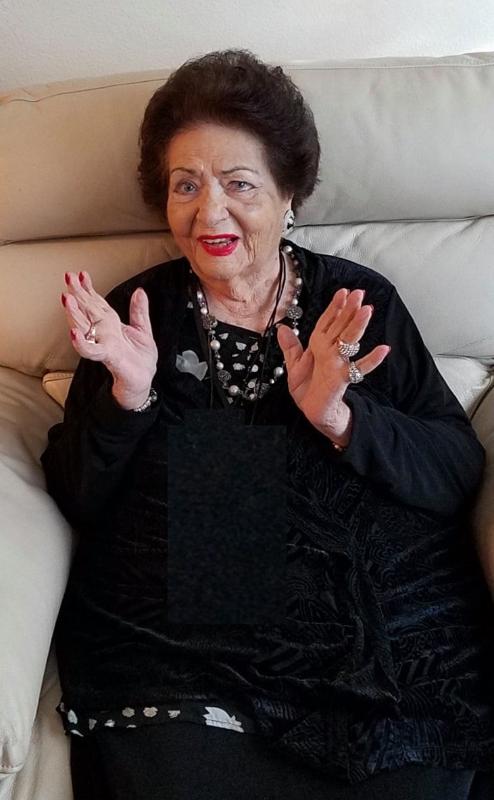
Raina Kabaivanska’s Spotify BioRenowned for her interpretations of the roles of Tosca, Manon, Francesca da Rimini, and Madame Butterfly, this internationally famous soprano has earned the nickname "the Heroine of Melodrama." Kabaivanska accomplished her advanced vocal and piano studies at the Bulgarian State Conservatory in Sofia. In 1958, she moved to Italy and further developed her technique with Zita Fumagalli. She made her debut at the Sofia National Opera in 1957 in the role of Tatyana in Tchaikovsky's Eugene Onegin. But Kabaivanska's most important debut was in the role of Agnese in Bellini's Beatrice di Tenda at Milan's La Scala in 1961. At her Covent Garden debut in 1962, she sang Desdemona in Verdi's Otello, and for New York's Metropolitan she sang Nedda in Leoncavallo's Pagliacci. Her 1975 Paris debut was as Leonore in Verdi's Il trovatore, and for her Salzburg debut, she interpreted the role of Mrs. Ford in Verdi's Falstaff. Kabaivanska has been awarded with many accolades throughout her career, including… the Premio Bellini (1965) for her interpretation of Beatrice di Tenda, the Viotti d'oro (1970), the Premio Puccini (1978), the Premio Illica (1979), Premio Monteverdi (1980), and the Premio Lorenzo il Magnifico from the Medici Academy for the Arts in Florence (1990). In 1974, Bulgarian Television dedicated a film to her entitled The Seasons of Raina Kabaivanska.
Viberate is a music analytics platform built for A&Rs, artist managers, labels, booking agents, marketers, and artists.
It helps music professionals track artist growth, analyze audience data, monitor playlist activity, compare artists, follow song performance, and identify opportunities across the music market.
Public artist pages provide a free preview of selected artist data. Paid plans provide access to deeper analytics, historical data, charts, comparisons, playlist tools, exports, alerts, reports, and additional professional features.
Yes. Public Viberate artist pages provide selected artist analytics and music data for free.
Viberate also offers a 7-day free trial of the full platform. A credit card is required to start the trial. The trial includes access to the complete product so users can test deeper artist analytics, historical views, playlist insights, comparisons, charts, exports, alerts, and reporting features before choosing a paid plan.
Viberate provides artist analytics across streaming, playlists, social media, video, radio airplay, songs, and audience markets.
Users can analyze Spotify performance, Spotify and Apple Music playlists, YouTube activity, TikTok and Instagram growth, radio spins, song performance, audience locations, demographics, rankings, and overall artist momentum.
Artist profiles also connect to music charts, similar artists, and comparison tools, helping users benchmark performance and evaluate artists in context.
Viberate updates key artist and track data daily.
For followed artists and tracks, selected data is refreshed multiple times per day. This helps teams monitor playlist changes, streaming movement, audience growth, releases, and campaign performance with more current data.
Update frequency can vary depending on the metric and data source.
Yes. Viberate lets users compare up to five artists side by side across streaming, social media, audience, and engagement metrics.
Users can compare fanbase growth, audience demographics, locations, Spotify performance, social metrics, and other artist data over selected time periods.
Artist comparison can be used for A&R scouting, benchmarking, booking decisions, campaign planning, and evaluating artists with similar audiences or market positions.