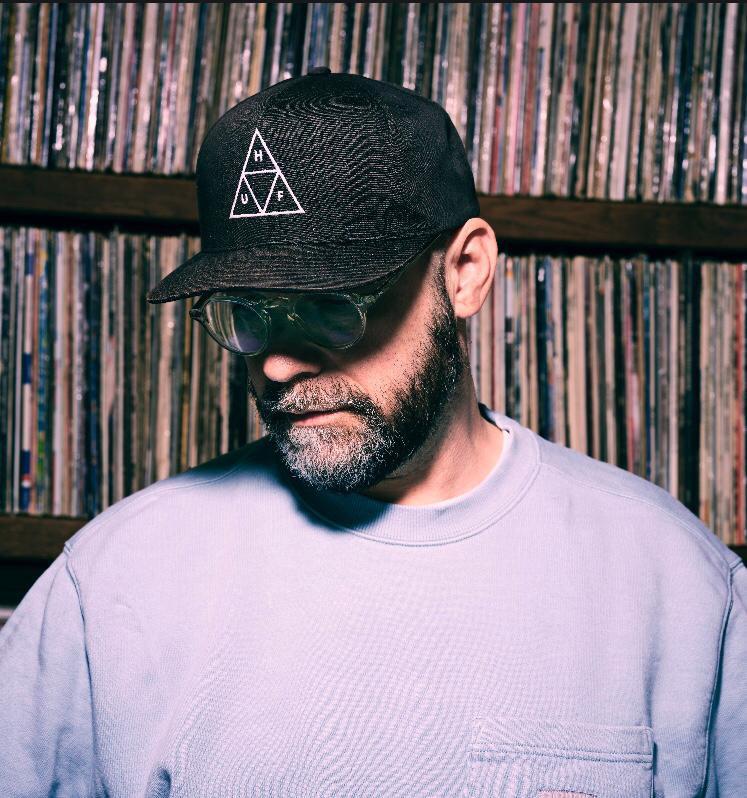
Radio Citizen

Jazz
Nu Jazz
Downtempo
Alternative Hip Hop
 Viberate Rank: 92984
 Viberate Rank: 92984
 Monthly ListenersFollowers
 Subscribers
 Followers
 Followers
 FansTop Spotify Songs
| Track | 7-Day Streams | |
|---|---|---|
1 | 33.16K | |
2 | 33.16K | |
3 | 28.93K | |
4 | 11.26K | |
5 | 6.97K |
Top YouTube VideosMonthly ListenersFeatured in Playlists| Playlist | Followers | |
|---|---|---|
1 |  Suits Soundtrack [All Seasons] Solitude Collective | 151.56K |
2 |  🌈 LSD | ACID | peaceful | psychedelic | good vibes | trippy | happy 🌈 nerogee | 140.57K |
3 |  Cafe Music 2024 Relaxing songs ☕ toshmurph | 61.61K |
4 |  Soundtrack: Suits Gunnar Scott | 61.06K |
5 | mumble...mumble... | 40.11K |
Audience| City | Monthly Listeners | |
|---|---|---|
1 |  | 2.85K |
2 | | 2.41K |
3 |  | 2.10K |
4 |  | 1.96K |
5 | | 1.67K |
See full performance history, audience data, playlist activity, rankings, comparisons, and more in Viberate music analytics. Start with a free trial, then continue with a paid plan.
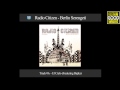
Radio Citizen’s Spotify BioRadio Citizen is the brainchild of Berlin composer, producer, arranger, and multi-instrumentalist Niko Schabel. The first Radio Citizen album, Berlin Serengeti released on Ubiquity in 2006, featured electronic music that employed multiple organic elements, creating a fierce sonic meld of dub, hip-hop, soul-jazz, funk, and world musics. Schabel played reeds and woodwinds, percussion, piano (including Fender Rhodes), and synth, and produced and mixed the recording. His chief collaborator was Indian-born, Portugal and South Africa-raised vocalist Bajka, but the album's selections included a large group of instrumentalists and poet Ursula Rucker. Radio Citizen's second offering, Hope and Despair, was also released by Ubiquity in the fall of 2010. The group returned in 2014 with a trio of releases: the acoustic Warm Canto EP, the soundtrack to the film The Last Catch, and Live in Brandenburg, which captured them at the city's Jazzfest that August. For Radio Citizen's third album, 2015's The… Night & the City, Schabel and company moved to Berlin's Sonar Kollektiv label. The following year, Oliver Frost, Dima Studitsky, and Radio Citizen themselves contributed reworkings of The Night & the City's tracks to the Remixes EP. For their fourth album, Radio Citizen retreated to a mountain cabin in Austria to make some of their most flowing, collaborative music yet. The results, Silent Guide, appeared in November 2017. ~ Thom Jurek, Rovi
Viberate is a music analytics platform built for A&Rs, artist managers, labels, booking agents, marketers, and artists.
It helps music professionals track artist growth, analyze audience data, monitor playlist activity, compare artists, follow song performance, and identify opportunities across the music market.
Public artist pages provide a free preview of selected artist data. Paid plans provide access to deeper analytics, historical data, charts, comparisons, playlist tools, exports, alerts, reports, and additional professional features.
Yes. Public Viberate artist pages provide selected artist analytics and music data for free.
Viberate also offers a 7-day free trial of the full platform. A credit card is required to start the trial. The trial includes access to the complete product so users can test deeper artist analytics, historical views, playlist insights, comparisons, charts, exports, alerts, and reporting features before choosing a paid plan.
Viberate provides artist analytics across streaming, playlists, social media, video, radio airplay, songs, and audience markets.
Users can analyze Spotify performance, Spotify and Apple Music playlists, YouTube activity, TikTok and Instagram growth, radio spins, song performance, audience locations, demographics, rankings, and overall artist momentum.
Artist profiles also connect to music charts, similar artists, and comparison tools, helping users benchmark performance and evaluate artists in context.
Viberate updates key artist and track data daily.
For followed artists and tracks, selected data is refreshed multiple times per day. This helps teams monitor playlist changes, streaming movement, audience growth, releases, and campaign performance with more current data.
Update frequency can vary depending on the metric and data source.
Yes. Viberate lets users compare up to five artists side by side across streaming, social media, audience, and engagement metrics.
Users can compare fanbase growth, audience demographics, locations, Spotify performance, social metrics, and other artist data over selected time periods.
Artist comparison can be used for A&R scouting, benchmarking, booking decisions, campaign planning, and evaluating artists with similar audiences or market positions.