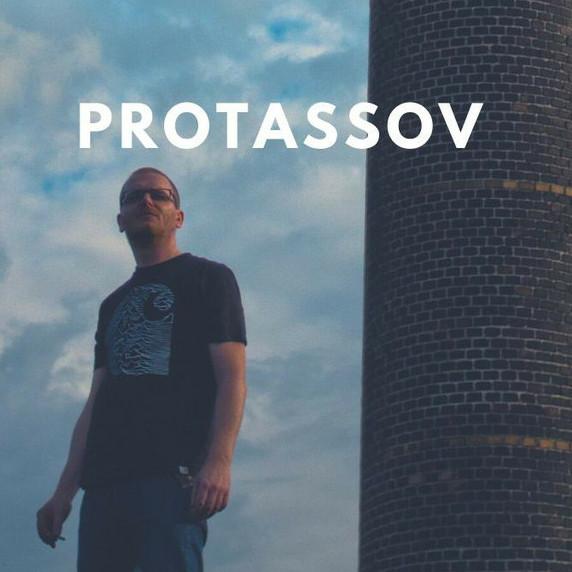
Natural Self

Hip Hop
Contemporary Hip Hop
Nu Jazz
 Viberate Rank: 120342
 Viberate Rank: 120342
 Monthly ListenersFollowers
 Subscribers
 Followers
 Followers
 FansTop Spotify Songs
| Track | 7-Day Streams | |
|---|---|---|
1 | 36.76K | |
2 | 24.58K | |
3 | 14.17K | |
4 | 10.33K | |
5 | 4.60K |
Top YouTube VideosMonthly ListenersFeatured in Playlists| Playlist | Followers | |
|---|---|---|
1 | now listening to... Daniel Ek | 307.18K |
2 |  Dub Reggae constantinex | 192.74K |
3 | While You Work (@whileyouwork) Eli Feghali | 81.75K |
4 |  Reggae/Dub Andrès Vangheluwe | 39.33K |
5 |  Jazz Funk & Groove Guillermo Lanzani Lagomarsino | 36.07K |
Audience| City | Monthly Listeners | |
|---|---|---|
1 |  | 2.84K |
2 | | 2.73K |
3 |  | 2.59K |
4 |  | 2.59K |
5 |  | 2.25K |
See full performance history, audience data, playlist activity, rankings, comparisons, and more in Viberate music analytics. Start with a free trial, then continue with a paid plan.
Natural Self’s Spotify BioNatural Self is the project of producer, vocalist and DJ Nathaniel Pearn. Originally inspired by the The Bomb Squad’s productions for Public Enemy, hip hop was the primary influence on his first forays into music before crate digging culture shed light onto a whole new range of influences from funk to soul, jazz, latin, electronica and beyond.
2001 saw Natural Self’s production debut with the ‘Shakedown/The Soul step’ single followed by the mighty ‘Heavy Heavy’ with Nostalgia 77. His 2006 debut album ‘Let Peace Be The Ruler’ (Breakin’ Bread records) saw the introduction of live recording and a collaboration with Alice Russell on ‘I Don’t Need This Trouble’. A collaborative album with Nostalgia 77 ‘Gravity’ (recorded as The Broken Keys) also came out in 2006 to critical acclaim.
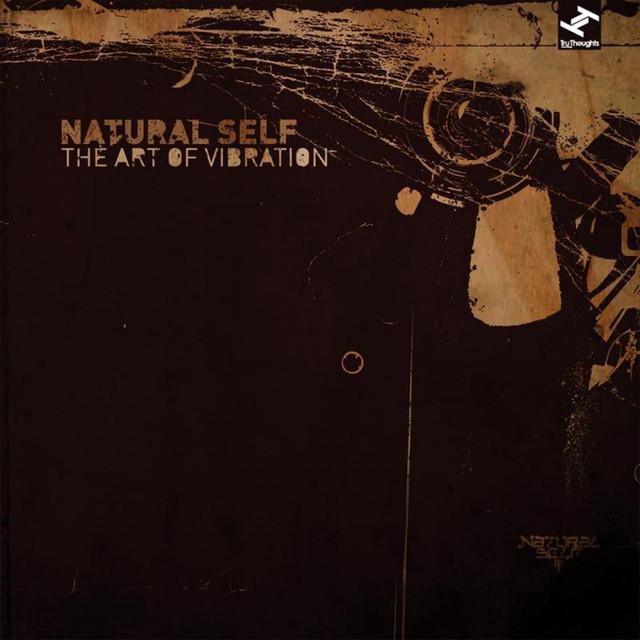
2008 saw Pearn returning to Tru Thoughts to release his highly anticipated second solo album ‘The Art Of Vibration’, featuring excursions into electronic sound as well as a collaboration with Andreya Triana.… Following a lead vocal guest spot on DJ Food’s ‘One Man’s Weird Is Another Man’s World’ EP, Natural Self released his album “My Heart Beats Like A Drum” featuring vocals from French singer Elodie Rama in late 2009.
Natural Self’s ‘Neon Hunts My Eyes’ in Spring 2013 brought a truly striking change of direction for Natural Self as he took on the role of singer-songwriter fully for the first time, alongside his well-honed production skills, and trademark killer way with a rhythm.
Viberate is a music analytics platform built for A&Rs, artist managers, labels, booking agents, marketers, and artists.
It helps music professionals track artist growth, analyze audience data, monitor playlist activity, compare artists, follow song performance, and identify opportunities across the music market.
Public artist pages provide a free preview of selected artist data. Paid plans provide access to deeper analytics, historical data, charts, comparisons, playlist tools, exports, alerts, reports, and additional professional features.
Yes. Public Viberate artist pages provide selected artist analytics and music data for free.
Viberate also offers a 7-day free trial of the full platform. A credit card is required to start the trial. The trial includes access to the complete product so users can test deeper artist analytics, historical views, playlist insights, comparisons, charts, exports, alerts, and reporting features before choosing a paid plan.
Viberate provides artist analytics across streaming, playlists, social media, video, radio airplay, songs, and audience markets.
Users can analyze Spotify performance, Spotify and Apple Music playlists, YouTube activity, TikTok and Instagram growth, radio spins, song performance, audience locations, demographics, rankings, and overall artist momentum.
Artist profiles also connect to music charts, similar artists, and comparison tools, helping users benchmark performance and evaluate artists in context.
Viberate updates key artist and track data daily.
For followed artists and tracks, selected data is refreshed multiple times per day. This helps teams monitor playlist changes, streaming movement, audience growth, releases, and campaign performance with more current data.
Update frequency can vary depending on the metric and data source.
Yes. Viberate lets users compare up to five artists side by side across streaming, social media, audience, and engagement metrics.
Users can compare fanbase growth, audience demographics, locations, Spotify performance, social metrics, and other artist data over selected time periods.
Artist comparison can be used for A&R scouting, benchmarking, booking decisions, campaign planning, and evaluating artists with similar audiences or market positions.