Racey

Rock
Pop Rock
Hard Rock
 Viberate Rank: 53388
 Viberate Rank: 53388
 Monthly ListenersFollowers
 Subscribers
 Followers
 Followers
 FansTop Spotify Songs
| Track | 7-Day Streams | |
|---|---|---|
1 | 105.26K | |
2 | 69.45K | |
3 | 38.67K | |
4 | 10.36K | |
5 | 8.01K |
Top YouTube VideosMonthly ListenersFeatured in Playlists| Playlist | Followers | |
|---|---|---|
1 |  Glam Rock Spotify | 182.88K |
2 |  60s, 70s, 80s. All Time Classics - Party #fralix | 136.85K |
3 | All 80 s Rock & Classic Hits Peter Bakker | 135.88K |
4 |  1970s Greatest Hits Glenn Bugeja | 50.74K |
5 | 80s Stefan Schilo | 40.77K |
Audience| City | Monthly Listeners | |
|---|---|---|
1 |  | 15.33K |
2 | | 14.95K |
3 | | 14.79K |
4 | | 8.85K |
5 | | 7.34K |
See full performance history, audience data, playlist activity, rankings, comparisons, and more in Viberate music analytics. Start with a free trial, then continue with a paid plan.
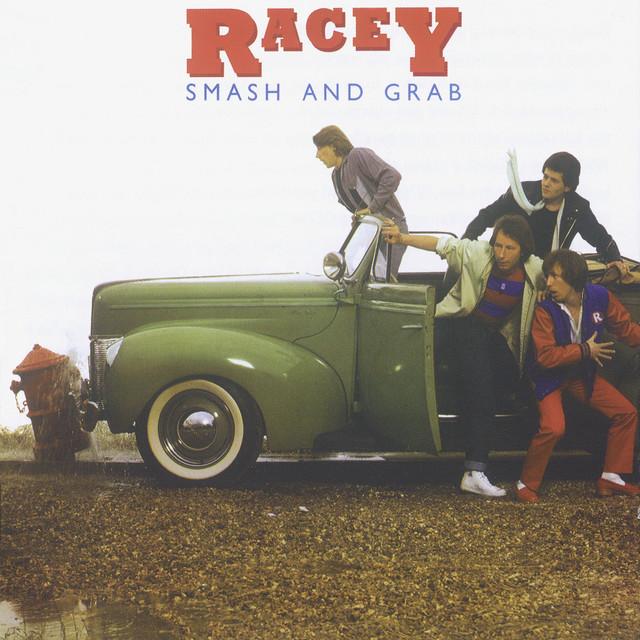
Racey’s Spotify BioOne of Mickie Most’s numerous UK successes on the RAK Records label in the 70s, this pop outfit was formed in 1976 from the ashes of the unsuccessful Phoenix Press. The line-up featured Richard Gower (b. 1955, Hackney, London, England; vocals/keyboards), Phil Fursdon (vocals/guitar), Pete Miller (vocals/bass) and Clive Wilson (vocals/drums). After playing extensively round the pub circuits, an early supporter called Steve Matthews brought Racey to the attention of Most in London. He quickly signed them after hearing a demo, and they released their debut ‘Baby It’s You’, written by Chris Norman and Pete Spencer of Smokie, which narrowly missed the charts. However, they got their hit with second single, ‘Lay Your Love On Me’ (written by Mike Chapman and Nicky Chinn), which rose to number 3 in the UK charts in early 1979. Another Chapman/Chinn composition ‘Some Girls’ went one place better in March, but after two more Top 30 hits, including a cover version of Dion’s ‘Runaround Sue’, the… race was over. Lead singer Richard Gower worked as a songwriter for RAK during the 80s before re-forming Racey in the early 90s. This line-up of the band recorded several new songs for 1995’s Say Wow! Greatest & Latest. They remain a popular draw on the European nostalgia circuit.
Viberate is a music analytics platform built for A&Rs, artist managers, labels, booking agents, marketers, and artists.
It helps music professionals track artist growth, analyze audience data, monitor playlist activity, compare artists, follow song performance, and identify opportunities across the music market.
Public artist pages provide a free preview of selected artist data. Paid plans provide access to deeper analytics, historical data, charts, comparisons, playlist tools, exports, alerts, reports, and additional professional features.
Yes. Public Viberate artist pages provide selected artist analytics and music data for free.
Viberate also offers a 7-day free trial of the full platform. A credit card is required to start the trial. The trial includes access to the complete product so users can test deeper artist analytics, historical views, playlist insights, comparisons, charts, exports, alerts, and reporting features before choosing a paid plan.
Viberate provides artist analytics across streaming, playlists, social media, video, radio airplay, songs, and audience markets.
Users can analyze Spotify performance, Spotify and Apple Music playlists, YouTube activity, TikTok and Instagram growth, radio spins, song performance, audience locations, demographics, rankings, and overall artist momentum.
Artist profiles also connect to music charts, similar artists, and comparison tools, helping users benchmark performance and evaluate artists in context.
Viberate updates key artist and track data daily.
For followed artists and tracks, selected data is refreshed multiple times per day. This helps teams monitor playlist changes, streaming movement, audience growth, releases, and campaign performance with more current data.
Update frequency can vary depending on the metric and data source.
Yes. Viberate lets users compare up to five artists side by side across streaming, social media, audience, and engagement metrics.
Users can compare fanbase growth, audience demographics, locations, Spotify performance, social metrics, and other artist data over selected time periods.
Artist comparison can be used for A&R scouting, benchmarking, booking decisions, campaign planning, and evaluating artists with similar audiences or market positions.