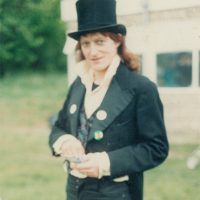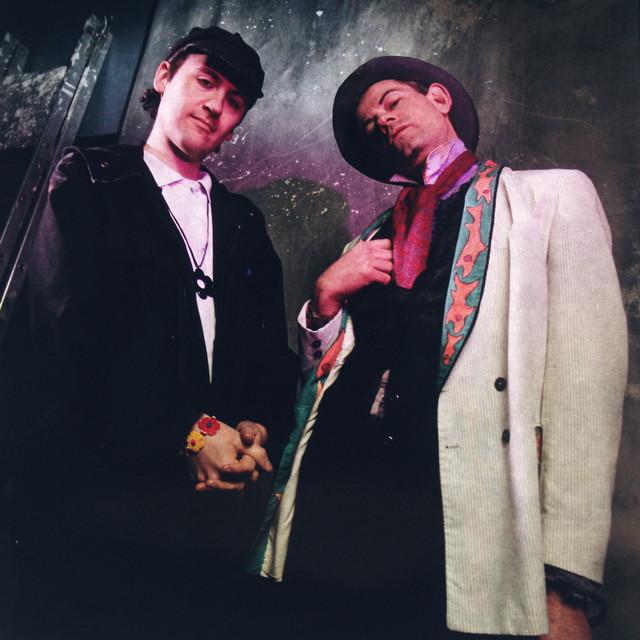
R. Stevie Moore

Rock
Alternative Rock
Power Pop
Pop Punk
 Viberate Rank: 135592
 Viberate Rank: 135592
 Monthly ListenersFollowers
 Subscribers
 Followers
 Followers
 FansTop Spotify Songs
| Track | 7-Day Streams | |
|---|---|---|
1 | 6.28K | |
2 | 4.08K | |
3 | 1.56K | |
4 | 1.32K | |
5 | 973 |
Top YouTube VideosMonthly ListenersFeatured in Playlists| Playlist | Followers | |
|---|---|---|
1 |  real good shit Tom Misch | 165.63K |
2 |  Late Night Tales: The Collection Late Night Tales | 32.82K |
3 |  Cheat Sheet: J Dilla Okayplayer | 26.93K |
4 | Unofficial Reverb Radio Jeff Ferruzzo | 21.82K |
5 |  Ear Tapas Her's | 15.66K |
Audience| City | Monthly Listeners | |
|---|---|---|
1 | | 1.21K |
2 | | 911 |
3 | | 762 |
4 | | 702 |
5 |  | 633 |
See full performance history, audience data, playlist activity, rankings, comparisons, and more in Viberate music analytics. Start with a free trial, then continue with a paid plan.
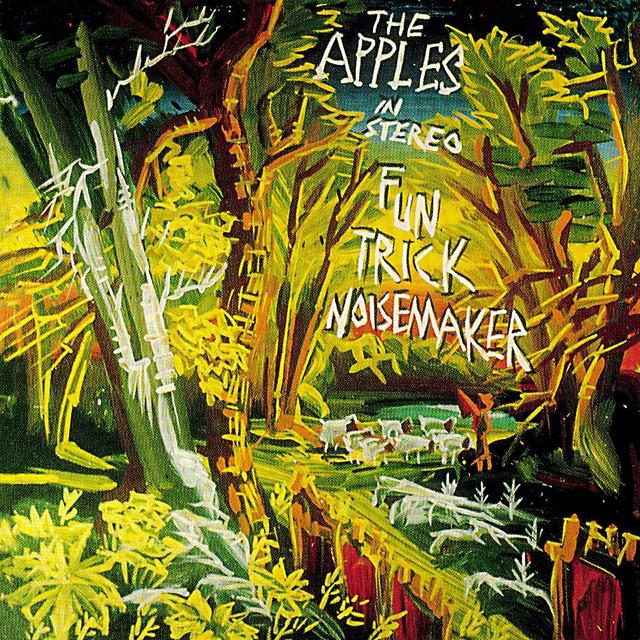
R. Stevie Moore’s Spotify BioOne of the rock musicians who is most difficult to categorize, R. Stevie Moore is a true original. Bypassing the traditional recording industry more thoroughly than just about any internationally known singer/songwriter ever has, Moore self-released literally thousands of songs through the R. Stevie Moore Cassette Club, a mail-order operation with hundreds of individually dubbed cassettes and CD-Rs in its catalog. The handful of traditional LPs and CDs Moore has released since 1975 are primarily collections of the best songs from those cassettes. Moore's music, a blend of classic pop influences, arty experimentalism, idiosyncratic lyrics, wild stylistic left turns, and homemade rough edges, is one-of-a-kind, but entire generations of lo-fi enthusiasts and indie trailblazers, from Guided by Voices to the Apples in Stereo, owe much to Moore's pioneering in the field.
The son of legendary Music City session musician Bob Moore (not Elvis guitarist Scotty Moore, as many articles mistakenly… claim) and the older brother of Linda Moore, singer/bassist for '80s country-pop band Calamity Jane, Robert Steven Moore was born January 18, 1952, in Nashville, Tennessee. Growing up in a musical environment, Moore mastered several instruments as a child, including guitar, piano, bass, and drums. He formed his first band, the Marlborough, at the age of 15; armed with inspiration from the first two Mothers of Invention albums and an inexpensive four-track recorder he received for his 16th birthday, Moore began recording Marlborough performances, bizarre spoken-word pieces, comedic skits, and one-man band songs. This all-over-the-map D.I.Y. aesthetic would remain Moore's calling card throughout his career.
After graduating from high school and dropping out of Vanderbilt University, Moore became a session musician and the president of his father's music publishing company, but did not excel at either; Moore's eccentric personal style and non-country musical influences, including Zappa, the Beatles, Brian Wilson, Todd Rundgren, and the Move, were determinedly out of step with Nashville's prevailing musical culture during the early '70s. Although Moore and his high-school friends gigged around town under a variety of band names, most of his time was spent writing and recording by himself, slowly developing an idiosyncratic but increasingly poppy personal style. Encouraged by his uncle Harry Palmer, who at the time was president of Atco Records, Moore pieced together his 1975 debut album, Phonography, from two years' worth of home recording sessions. Palmer issued Phonography and its two follow-ups, Stance and Delicate Tension, on his own HP Music label. Encouraged by the response his records were receiving in the nascent New York punk and new wave scene -- Ira Robbins' Trouser Press magazine was particularly complimentary in its praise -- Moore moved to northern New Jersey in early 1978.
Aside from periodic bouts of gigging around New York, often backed by friends like Chris Butler and the Smithereens' Dennis Diken, Moore has remained a home-recording loner, creating new songs on an almost weekly basis in styles ranging all the way from hip-hop to Windham Hill-style piano instrumentals. A mid-'80s association with the French New Rose label resulted in his best-known albums, the two-disc retrospective Everything You Always Wanted to Know About R. Stevie Moore But Were Afraid to Ask and the fruit of a rare session in a real recording studio, Teenage Spectacular. Other albums and CDs, including an expanded digital reissue of Phonography and a well-chosen but unfortunately named career overview called Greatesttits, came out on a variety of tiny American and European indies.
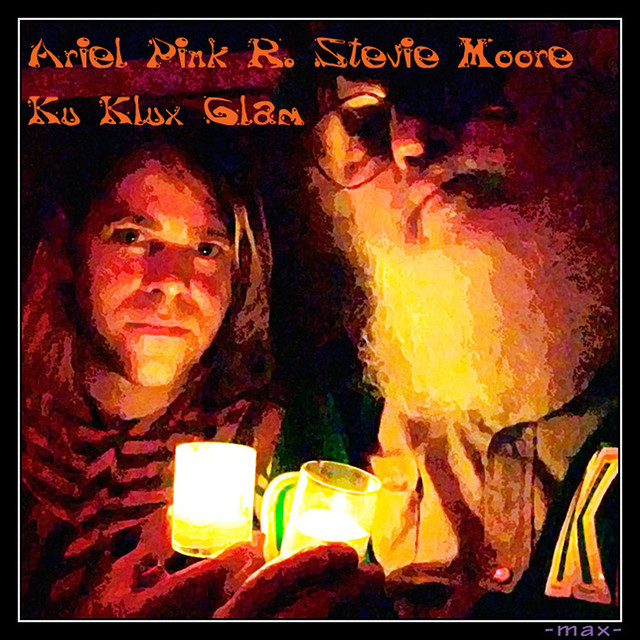
Moore continued to record throughout the '90s and 2000s, seeing a spike in recognition by the late 2000s when emerging lo-fi artists such as Ariel Pink and John Maus cited Moore as a primary influence. This led to more exposure for his always-prolific recordings, as well as European touring and a cover story in The Wire, the end name for all experimental music mags. Amid a constant stream of new songs, releases, and his first ever concert tour, 2012 saw the release of yet another collection of his stronger work, Lo-Fi Hi-Fives... A Kind of Best Of, followed the next year by another, Personal Appeal. That same year, he did a split single with the British band the Vaccines, covering their song "Post Break Up Sex."
Along with more touring and curating his tape archive, next up for Moore were a couple of collaborations, with fellow prolific oddball Jad Fair on 2014's The Great American Songbook, Vol. 1 and with power pop maestro Jason Falkner on 2017's Make It Be. In 2019, Bar/None Records released Afterlife, which brought together 14 gems from Moore's back catalog recut in new versions that, as the liner notes point out, were "recorded in the 21st Century in REAL recording studios." ~ Stewart Mason
Viberate is a music analytics platform built for A&Rs, artist managers, labels, booking agents, marketers, and artists.
It helps music professionals track artist growth, analyze audience data, monitor playlist activity, compare artists, follow song performance, and identify opportunities across the music market.
Public artist pages provide a free preview of selected artist data. Paid plans provide access to deeper analytics, historical data, charts, comparisons, playlist tools, exports, alerts, reports, and additional professional features.
Yes. Public Viberate artist pages provide selected artist analytics and music data for free.
Viberate also offers a 7-day free trial of the full platform. A credit card is required to start the trial. The trial includes access to the complete product so users can test deeper artist analytics, historical views, playlist insights, comparisons, charts, exports, alerts, and reporting features before choosing a paid plan.
Viberate provides artist analytics across streaming, playlists, social media, video, radio airplay, songs, and audience markets.
Users can analyze Spotify performance, Spotify and Apple Music playlists, YouTube activity, TikTok and Instagram growth, radio spins, song performance, audience locations, demographics, rankings, and overall artist momentum.
Artist profiles also connect to music charts, similar artists, and comparison tools, helping users benchmark performance and evaluate artists in context.
Viberate updates key artist and track data daily.
For followed artists and tracks, selected data is refreshed multiple times per day. This helps teams monitor playlist changes, streaming movement, audience growth, releases, and campaign performance with more current data.
Update frequency can vary depending on the metric and data source.
Yes. Viberate lets users compare up to five artists side by side across streaming, social media, audience, and engagement metrics.
Users can compare fanbase growth, audience demographics, locations, Spotify performance, social metrics, and other artist data over selected time periods.
Artist comparison can be used for A&R scouting, benchmarking, booking decisions, campaign planning, and evaluating artists with similar audiences or market positions.