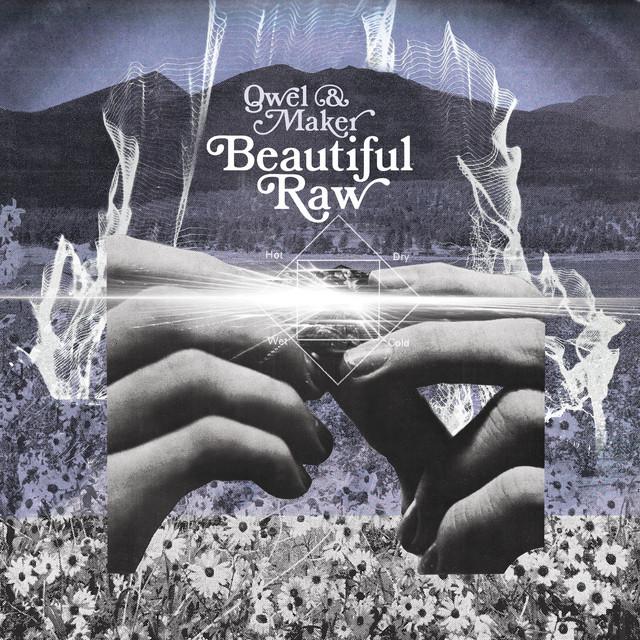
Qwel

Hip Hop
Contemporary Hip Hop
Underground Hip Hop
 Viberate Rank: 270486
 Viberate Rank: 270486
 Monthly ListenersFollowers
 Subscribers
 Followers
 Followers
 FansTop Spotify Songs
| Track | 7-Day Streams | |
|---|---|---|
1 | 1.02K | |
2 | 776 | |
3 | 382 | |
4 | 382 | |
5 | 268 |
Top YouTube Videos| Video | 7-Day Views | |
|---|---|---|
1 | 220 | |
2 | 150 | |
3 | 136 | |
4 | 134 | |
5 | 111 |
Monthly ListenersFeatured in Playlists| Playlist | Followers | |
|---|---|---|
1 |  The Summer I Turned Pretty Official Playlist Spotify | 788.01K |
2 |  The Summer I Turned Pretty: Official Playlist Prime Video | 66.67K |
3 |  The Summer I Turned Pretty: Season 1 Brenda Hall | 19.17K |
4 |  Living In My Headphones James Lavelle (UNKLE) | 16.04K |
5 |  RapWRLD RapMan Playlists | 13.30K |
Audience| City | Monthly Listeners | |
|---|---|---|
1 | | 180 |
2 | | 137 |
3 | | 123 |
4 | | 60 |
5 | | 59 |
See full performance history, audience data, playlist activity, rankings, comparisons, and more in Viberate music analytics. Start with a free trial, then continue with a paid plan.
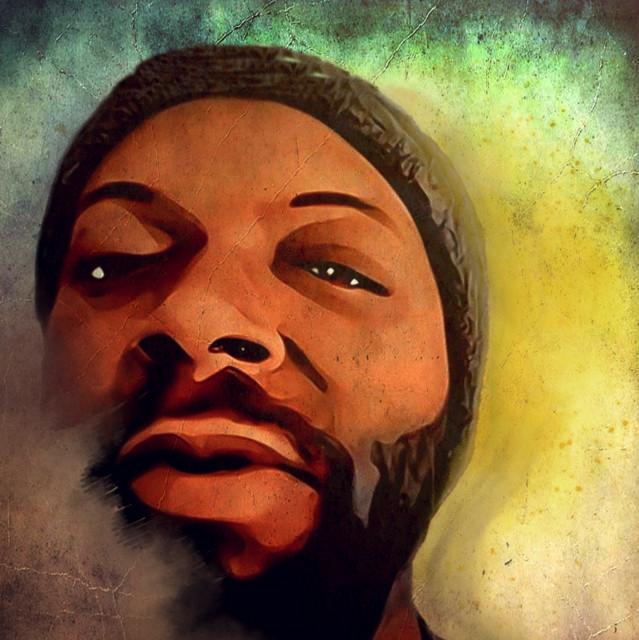
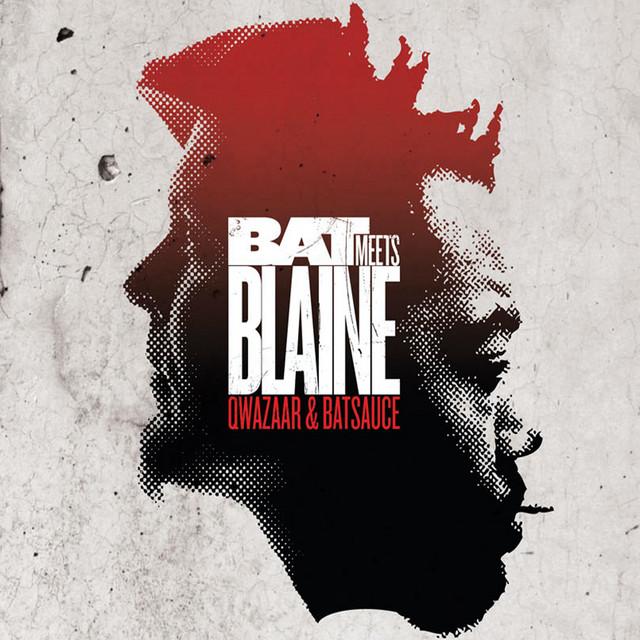
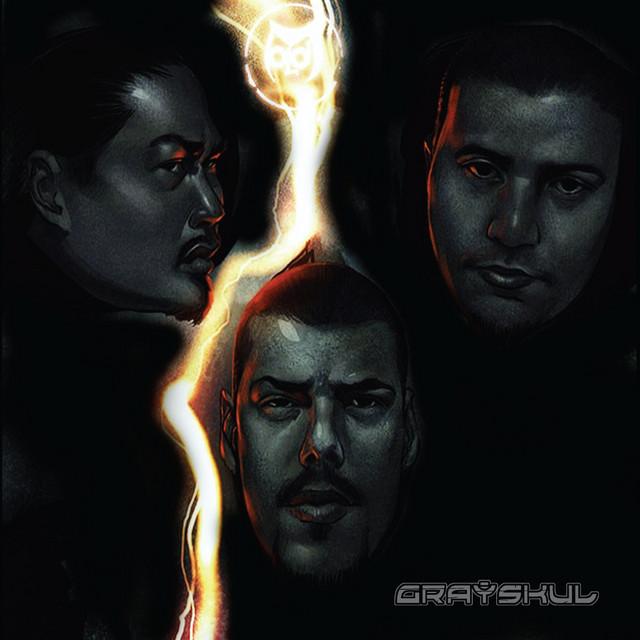
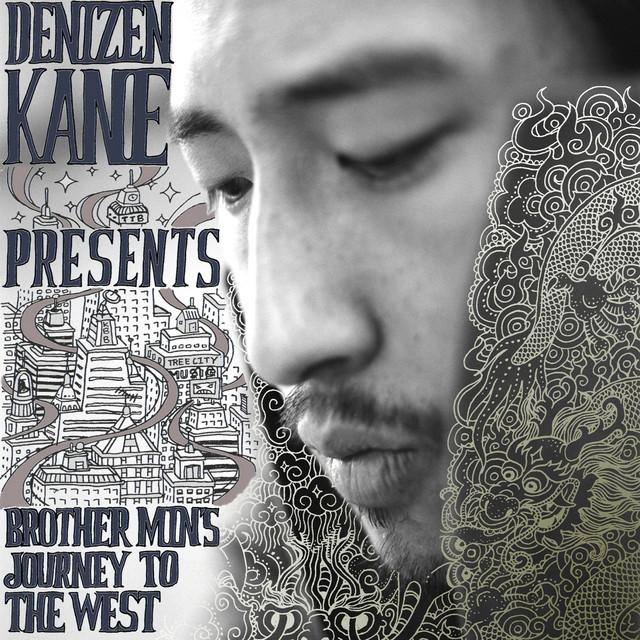
Qwel’s Spotify BioCo-founder of Chicago-based underground rap crew the Typical Cats, Qwel constantly blurred the line between written prose and rap lyrics upon each successive album during the 2000s. With a voice uninflected in tone, the cerebral MC aggressively delivers each word, structuring his verses into multi-syllable rhyme schemes. His style was nurtured from being an avid participant of the Midwest's (Chicago in particular) rhyme-battling scene over the course of the late '90s and early 2000s, which is how he met rap colleagues Qwazaar, Denizen Kane, and DJ Natural to form Typical Cats. Qwel's first major recording was the Typical Cats' self-titled debut, released in 2001 by independent record company Galapagos4. That experience initiated a close relationship with the label which Qwel continued to build as Galapagos4 became a fixture within Chicago's underground hip-hop community, even after it moved its operations to California. Qwel's solo debut, If It Ain't Been in the Pawn Shop, Then It… Can't Play the Blues, also arrived in 2001. It introduced him as a complex rapper prone to constructing intricate concepts -- a sharp contrast to his rhyme-battling days. Best illustrating Qwel's propensity for lyrical exploration and experimentation were the series of collaborative albums conceptualizing together the four seasons and the four horsemen of the apocalypse (from the Bible's Book of Revelation). 2004's The Harvest, a collaboration with fellow Chicagoan and Glue beatsmith Maker, was the first in the series. The second in the series (and his fifth official effort), Freezer Burner, featured the colder, lo-fi production of labelmate Meaty Ogre and was released in 2006. ~ Cyril Cordor, Rovi
Viberate is a music analytics platform built for A&Rs, artist managers, labels, booking agents, marketers, and artists.
It helps music professionals track artist growth, analyze audience data, monitor playlist activity, compare artists, follow song performance, and identify opportunities across the music market.
Public artist pages provide a free preview of selected artist data. Paid plans provide access to deeper analytics, historical data, charts, comparisons, playlist tools, exports, alerts, reports, and additional professional features.
Yes. Public Viberate artist pages provide selected artist analytics and music data for free.
Viberate also offers a 7-day free trial of the full platform. A credit card is required to start the trial. The trial includes access to the complete product so users can test deeper artist analytics, historical views, playlist insights, comparisons, charts, exports, alerts, and reporting features before choosing a paid plan.
Viberate provides artist analytics across streaming, playlists, social media, video, radio airplay, songs, and audience markets.
Users can analyze Spotify performance, Spotify and Apple Music playlists, YouTube activity, TikTok and Instagram growth, radio spins, song performance, audience locations, demographics, rankings, and overall artist momentum.
Artist profiles also connect to music charts, similar artists, and comparison tools, helping users benchmark performance and evaluate artists in context.
Viberate updates key artist and track data daily.
For followed artists and tracks, selected data is refreshed multiple times per day. This helps teams monitor playlist changes, streaming movement, audience growth, releases, and campaign performance with more current data.
Update frequency can vary depending on the metric and data source.
Yes. Viberate lets users compare up to five artists side by side across streaming, social media, audience, and engagement metrics.
Users can compare fanbase growth, audience demographics, locations, Spotify performance, social metrics, and other artist data over selected time periods.
Artist comparison can be used for A&R scouting, benchmarking, booking decisions, campaign planning, and evaluating artists with similar audiences or market positions.