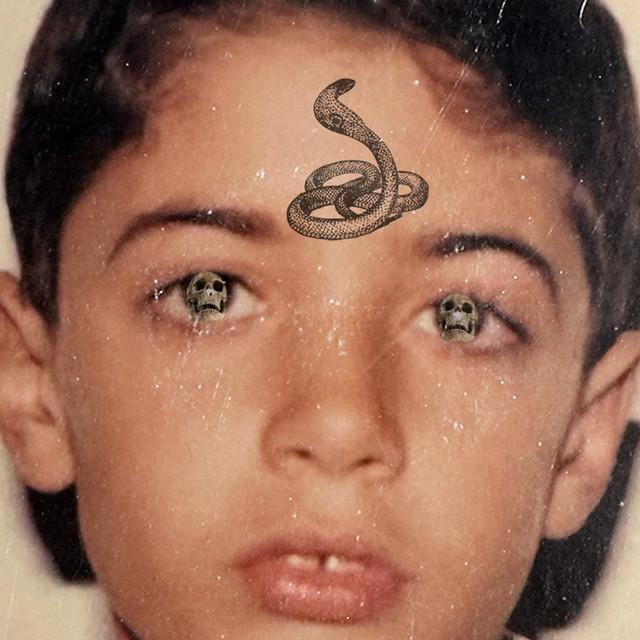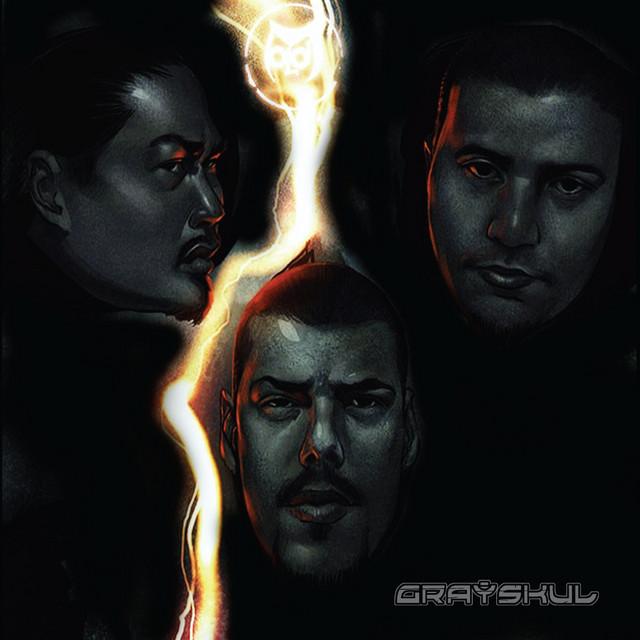
Grayskul

Hip Hop
Alternative Hip Hop
Underground Hip Hop
 Viberate Rank: 309020
 Viberate Rank: 309020
 Monthly ListenersFollowers
 Subscribers
 Followers
 Followers
 FansTop Spotify SongsTop YouTube VideosMonthly ListenersFeatured in Playlists
| Playlist | Followers | |
|---|---|---|
1 | Boom Bap/90s Rap Kharim Ames | 16.71K |
2 |  Three's Company - 3 Emcee Hip Hop & Rap Paradox | 8.74K |
3 |  Dope Underground Hip-Hop Hip-Hop Guru | 6.15K |
4 |  Chill / Underground Hip-Hop J Thompson | 5.67K |
5 |  Underground Hip Hop Real Rap Boom Bap New Old Aminoz | 4.41K |
Audience| City | Monthly Listeners | |
|---|---|---|
1 | | 80 |
2 | | 75 |
3 | | 72 |
4 | | 67 |
5 | | 65 |
See full performance history, audience data, playlist activity, rankings, comparisons, and more in Viberate music analytics. Start with a free trial, then continue with a paid plan.
Grayskul’s Spotify BioOldominion crew members and MCs Onry Ozzborn and JFK had been meaning to do a project together for a while, but it wasn't until after they heard Cannibal Ox's 2001 album, The Cold Vein, that they decided to organize themselves. The finalized their lineup in 2003 with the addition of bass player Rob Castro, who had played on Ozzborn's The Grey Area. After Grayskul recorded over 30 songs and released a tour-only LP, their music got into the hands of Rhymesayers head Siddiq (Brent Sayers), who liked their hard-edged sound and immediately signed them. Using the alter egos Reason, Fiddle Stick Recluse (or just Recluse), and Phantom Ghost El Topo, Ozzborn, JFK, and Castro -- whose live show included a live DJ and oftentimes masks -- released their debut, Deadlivers, in 2005, and two years later (this time preferring the monikers "Count Draven" and "Count Magnus," and without Castro) Bloody Radio, which featured verses from Aesop Rock and Cage, among others, came out. ~ Marisa Brown, Rovi
Viberate is a music analytics platform built for A&Rs, artist managers, labels, booking agents, marketers, and artists.
It helps music professionals track artist growth, analyze audience data, monitor playlist activity, compare artists, follow song performance, and identify opportunities across the music market.
Public artist pages provide a free preview of selected artist data. Paid plans provide access to deeper analytics, historical data, charts, comparisons, playlist tools, exports, alerts, reports, and additional professional features.
Yes. Public Viberate artist pages provide selected artist analytics and music data for free.
Viberate also offers a 7-day free trial of the full platform. A credit card is required to start the trial. The trial includes access to the complete product so users can test deeper artist analytics, historical views, playlist insights, comparisons, charts, exports, alerts, and reporting features before choosing a paid plan.
Viberate provides artist analytics across streaming, playlists, social media, video, radio airplay, songs, and audience markets.
Users can analyze Spotify performance, Spotify and Apple Music playlists, YouTube activity, TikTok and Instagram growth, radio spins, song performance, audience locations, demographics, rankings, and overall artist momentum.
Artist profiles also connect to music charts, similar artists, and comparison tools, helping users benchmark performance and evaluate artists in context.
Viberate updates key artist and track data daily.
For followed artists and tracks, selected data is refreshed multiple times per day. This helps teams monitor playlist changes, streaming movement, audience growth, releases, and campaign performance with more current data.
Update frequency can vary depending on the metric and data source.
Yes. Viberate lets users compare up to five artists side by side across streaming, social media, audience, and engagement metrics.
Users can compare fanbase growth, audience demographics, locations, Spotify performance, social metrics, and other artist data over selected time periods.
Artist comparison can be used for A&R scouting, benchmarking, booking decisions, campaign planning, and evaluating artists with similar audiences or market positions.